
H.R. 5267 · 119th Congress · Labor and Employment
American Franchise Act
A bill that started in the House. To become law it must pass the House and the Senate in identical form and be signed by the President.
Where it stands
Cleared committee — waiting for a House vote
- Introduced — doneSep 10, 2025
- Cleared committee — doneSep 8, 2026
- Passed the House — not yet
- Passed the Senate — not yet
- Sent to the President — not yet
- Became law — not yet
Latest action · Nov 17, 2026
Rules Committee Resolution H. Res. 1665 Reported to House. Rule provides for consideration of H.R. 3495 and H.R. 5267. The resolution provides for consideration of H.R. 3495 and H.R. 5267 under a closed rule with one hour of debate and one motion to recommit on each bill.
What this bill means
In plain English
This bill explicitly states that, for purposes of requirements under the National Labor Relations Act (NLRA) and the Fair Labor Standards Act of 1938 (FLSA), franchisors are only considered to be joint employers with their franchisees if they regularly exercise direct and immediate control over the terms and conditions of employment for a franchisee's employees (e.g., directly hiring or firing employees on a regular basis). (The NLRA provides for collective bargaining rights in the private sector. The FLSA provides for a minimum wage, overtime pay, and other standards for employment.)
From the official summary by the Congressional Research Service (reported to house version). The full summary is below.
If it passes
It becomes federal law, and what it describes takes effect on the dates written into the bill.
What still has to happen
- 1House leaders must schedule it for a vote, and the House must pass it.
- 2Then the Senate must pass it in the same form.
- 3Then it goes to the President to sign or veto.
If it doesn't pass
- Nothing changes. The law stays exactly as it is today — a bill has no effect unless it is enacted.
- This bill expires when the 119th Congress ends on Jan 3, 2027. To try again, a member would have to introduce it as a new bill in the next Congress and start over.
Read the full official summaryCongressional Research Service · Reported to House · Sep 8, 2026
This bill explicitly states that, for purposes of requirements under the National Labor Relations Act (NLRA) and the Fair Labor Standards Act of 1938 (FLSA), franchisors are only considered to be joint employers with their franchisees if they regularly exercise direct and immediate control over the terms and conditions of employment for a franchisee's employees (e.g., directly hiring or firing employees on a regular basis). (The NLRA provides for collective bargaining rights in the private sector. The FLSA provides for a minimum wage, overtime pay, and other standards for employment.)
Specifically, the bill provides statutory authority for a 2020 rule by the National Labor Relations Board, particularly in relation to franchisors and franchisees. Under this rule, an entity is considered a joint employer of a separate employer's employees under the NLRA only if the entity exercises substantial, direct, and immediate control over one or more essential terms or conditions of employment. Essential terms or conditions of employment are defined to mean wages, benefits, hours of work, hiring, discharge, discipline, supervision, and direction. (In 2026, the board reinstated the 2020 rule as the applicable standard.)
The bill explicitly applies this standard to franchisors and franchisees and additionally specifies conduct that does and does not meet this standard (e.g., a franchisor setting a franchisee's operating hours does not sufficiently indicate direct and immediate control over the hours of work of a franchisee's employees). The bill also applies this standard to franchisors and franchisees under the FLSA.
Who started it
Sponsor — the member who introduced it
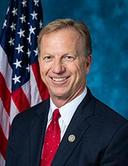
Introduced in the House on Sep 10, 2025.
See Kevin Hern's votes and donorsCosponsors — members who signed on in support
158cosponsors
17 Democrats · 141 Republicans
Members of both parties have signed on.
- Donald G. DavisD-NC-1
- Beth Van DuyneR-TX-24
- Hillary J. ScholtenD-MI-3
- Chuck EdwardsR-NC-11
- Jim CostaD-CA-21
- Mark AlfordR-MO-4
- Adam GrayD-CA-13
- August PflugerR-TX-11
Show all 158 cosponsorsHide the full list
- Henry CuellarD-TX-28
- Nathaniel MoranR-TX-1
- Ami BeraD-CA-6
- Vicente GonzalezD-TX-34
- Ryan MackenzieR-PA-7
- Daniel MeuserR-PA-9
- Earl L. "Buddy" CarterR-GA-1
- Kevin KileyR-CA-3
- Aaron BeanR-FL-4
- Pat HarriganR-NC-10
- Roger WilliamsR-TX-25
- Troy A. CarterD-LA-2
- Derrick Van OrdenR-WI-3
- Pete SessionsR-TX-17
- Scott FitzgeraldR-WI-5
- Cliff BentzR-OR-2
- Stephanie I. BiceR-OK-5
- Virginia FoxxR-NC-5
- Michael BaumgartnerR-WA-5
- David KustoffR-TN-8
- Johnny OlszewskiD-MD-2
- Derek SchmidtR-KS-2
- Vince FongR-CA-20
- Josh GottheimerD-NJ-5
- Tom ColeR-OK-4
- Scott H. PetersD-CA-50
- Andy BarrR-KY-6
- Glenn GrothmanR-WI-6
- Josh HarderD-CA-9
- Charles J. "Chuck" FleischmannR-TN-3
- Rudy YakymR-IN-2
- John J. McGuireR-VA-5
- Mike CareyR-OH-15
- Mike KellyR-PA-16
- Glenn ThompsonR-PA-15
- Lloyd SmuckerR-PA-11
- Tony WiedR-WI-8
- Mark E. AmodeiR-NV-2
- Randy FeenstraR-IA-4
- Kimberlyn King-HindsR-MP-0
- John R. MoolenaarR-MI-2
- David J. TaylorR-OH-2
- Claudia TenneyR-NY-24
- Ashley HinsonR-IA-2
- Pat FallonR-TX-4
- Pete StauberR-MN-8
- Ben ClineR-VA-6
- Mary E. MillerR-IL-15
- John H. RutherfordR-FL-5
- Robert B. AderholtR-AL-4
- Daniel WebsterR-FL-11
- David RouzerR-NC-7
- Brad FinstadR-MN-1
- Brian JackR-GA-3
- Burgess OwensR-UT-4
- Rick W. AllenR-GA-12
- Dale W. StrongR-AL-5
- David G. ValadaoR-CA-22
- Randy FineR-FL-6
- Thomas H. KeanR-NJ-7
- Richard McCormickR-GA-7
- Neal P. DunnR-FL-2
- Michael A. RulliR-OH-6
- Ed CaseD-HI-1
- Max L. MillerR-OH-7
- Julie FedorchakR-ND-0
- Robert F. OnderR-MO-3
- Jimmy PatronisR-FL-1
- Danny K. DavisD-IL-7
- Blake D. MooreR-UT-1
- Gabe EvansR-CO-8
- W. Gregory SteubeR-FL-17
- Scott PerryR-PA-10
- Marc A. VeaseyD-TX-33
- Mark HarrisR-NC-8
- Robert J. WittmanR-VA-1
- Eric BurlisonR-MO-7
- Tracey MannR-KS-1
- Don BaconR-NE-2
- Cleo FieldsD-LA-6
- Elise M. StefanikR-NY-21
- Scott DesJarlaisR-TN-4
- Lance GoodenR-TX-5
- Jack BergmanR-MI-1
- Erin HouchinR-IN-9
- Austin ScottR-GA-8
- Dan NewhouseR-WA-4
- William R. TimmonsR-SC-4
- Dusty JohnsonR-SD-0
- Ron EstesR-KS-4
- Trent KellyR-MS-1
- Darin LaHoodR-IL-16
- Joe WilsonR-SC-2
- Gary J. PalmerR-AL-6
- Zachary NunnR-IA-3
- Harriet M. HagemanR-WY-0
- Jay ObernolteR-CA-23
- Mark B. MessmerR-IN-8
- Julia LetlowR-LA-5
- Bill HuizengaR-MI-4
- Mike EzellR-MS-4
- Addison P. McDowellR-NC-6
- Mike D. RogersR-AL-3
- Barry MooreR-AL-1
- Mike FloodR-NE-1
- Mario Diaz-BalartR-FL-26
- Carol D. MillerR-WV-1
- Mike BostR-IL-12
- Juan CiscomaniR-AZ-6
- Brandon GillR-TX-26
- Steve WomackR-AR-3
- James ComerR-KY-1
- Riley M. MooreR-WV-2
- Mike HaridopolosR-FL-8
- Tim MooreR-NC-14
- Nicholas A. LangworthyR-NY-23
- Jeff CrankR-CO-5
- Laurel M. LeeR-FL-15
- Jennifer A. KiggansR-VA-2
- Jefferson ShreveR-IN-6
- Jefferson Van DrewR-NJ-2
- Jeff HurdR-CO-3
- Nick LaLotaR-NY-1
- Tom BarrettR-MI-7
- Mariannette Miller-MeeksR-IA-1
- Michelle FischbachR-MN-7
- Carlos A. GimenezR-FL-28
- Scott FranklinR-FL-18
- Ralph NormanR-SC-5
- Andy HarrisR-MD-1
- Jodey C. ArringtonR-TX-19
- Chip RoyR-TX-21
- James C. MoylanR-GU-0
- Jake EllzeyR-TX-6
- David P. JoyceR-OH-14
- Michael CloudR-TX-27
- Andy BiggsR-AZ-5
- Jimmy PanettaD-CA-19
- Paul A. GosarR-AZ-9
- Ken CalvertR-CA-41
- Nicholas J. BegichR-AK-0
- Ann WagnerR-MO-2
- Elijah CraneR-AZ-2
- Nicole MalliotakisR-NY-11
- Byron DonaldsR-FL-19
- John W. RoseR-TN-6
- Keith SelfR-TX-3
- Lauren BoebertR-CO-4
- H. Morgan GriffithR-VA-9
- John R. CarterR-TX-31
Committees handling it
A bill is sent to the committee that covers its subject. The committee decides whether it ever reaches a vote of the full chamber.
Education and Workforce Committee
House
- Reported By · Sep 8, 2026
- Markup By · Jul 21, 2026
- Referred To · Sep 10, 2025
Full timeline
Every recorded action on H.R. 5267, from the day it was introduced to the most recent, exactly as the House, the Senate, and the Library of Congress logged it.
- IntroducedHouse
Introduced in House
- House
Referred to the House Committee on Education and Workforce.
- House
Committee Consideration and Mark-up Session Held
- House
Ordered to be Reported (Amended) by the Yeas and Nays: 18 - 15.
- Cleared committeeHouse
Reported (Amended) by the Committee on Education and Workforce. H. Rept. 119-802.
- House
Placed on the Union Calendar, Calendar No. 702.
- House
Rules Committee Resolution H. Res. 1665 Reported to House. Rule provides for consideration of H.R. 3495 and H.R. 5267. The resolution provides for consideration of H.R. 3495 and H.R. 5267 under a closed rule with one hour of debate and one motion to recommit on each bill.
What it would cost
The Congressional Budget Office is Congress's nonpartisan scorekeeper. These are its estimates of what this measure would cost or save.
Have a view on H.R. 5267? Your leaders vote on it.
Tell your senators and your representative where you stand. We fill in who represents you and reference this bill in the letter.
Write your leaders about thisSource: Congress.gov record for H.R. 5267(opens in new tab)