
H.R. 8730 · 119th Congress · Foreign Trade and International Finance
Connected Vehicle Security Act of 2026
A bill that started in the House. To become law it must pass the House and the Senate in identical form and be signed by the President.
Where it stands
In committee in the House
- Introduced — doneMay 11, 2026
- Committee — not yet
- Passed the House — not yet
- Passed the Senate — not yet
- Sent to the President — not yet
- Became law — not yet
Latest action · May 11, 2026
Referred to the Committee on Energy and Commerce, and in addition to the Committees on Ways and Means, and Foreign Affairs, for a period to be subsequently determined by the Speaker, in each case for consideration of such provisions as fall within the jurisdiction of the committee concerned.
What this bill means
In plain English
This bill prohibits the importation, manufacture, sale, resale, or introduction into U.S. interstate commerce of connected vehicles and related software and hardware components associated with China, Russia, Iran, or North Korea.
From the official summary by the Congressional Research Service (introduced in house version). The full summary is below.
If it passes
It becomes federal law, and what it describes takes effect on the dates written into the bill.
What still has to happen
- 1A House committee must take it up and approve it. Most bills never get past this step.
- 2Then the full House must pass it.
- 3Then the Senate must pass it in the same form.
- 4Then it goes to the President to sign or veto.
If it doesn't pass
- Nothing changes. The law stays exactly as it is today — a bill has no effect unless it is enacted.
- This bill expires when the 119th Congress ends on Jan 3, 2027. To try again, a member would have to introduce it as a new bill in the next Congress and start over.
Read the full official summaryCongressional Research Service · Introduced in House · May 11, 2026
This bill prohibits the importation, manufacture, sale, resale, or introduction into U.S. interstate commerce of connected vehicles and related software and hardware components associated with China, Russia, Iran, or North Korea.
Connected vehicle means a vehicle that (1) integrates onboard networked hardware with automotive software systems to communicate with any other network or device using certain methods (e.g., wireless spectrum connectivity); or (2) is designed, manufactured, or originally equipped to communicate via such methods, regardless of whether such capability is enabled, disabled, or removed at the time the vehicle enters the United States.
Current regulations administered by the Department of Commerce's Bureau of Industry and Security (BIS) prohibit transactions involving vehicle connectivity system hardware and covered software designed, developed, manufactured, or supplied by persons owned by, controlled by, or subject to the jurisdiction or direction of China or Russia.
The bill expands the BIS regulatory framework, including by (1) expanding the countries covered by the prohibition to include China, Russia, Iran, and North Korea (Current BIS regulations apply only to China and Russia.); and (2) specifying that certain artificial intelligence components are covered by the prohibition.
By January 1, 2027, BIS must publish a list of items that are authorized for the importation, manufacture, sale, resale, or introduction into U.S. interstate commerce and would otherwise be subject to the bill's prohibition.
The bill also includes enforcement mechanisms, including that BIS must assess civil penalties for violations of the prohibition.
Who started it
Sponsor — the member who introduced it
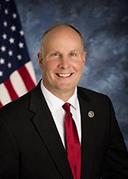
Introduced in the House on May 11, 2026.
See John R. Moolenaar's votes and donorsCosponsors — members who signed on in support
153cosponsors
67 Democrats · 86 Republicans
Members of both parties have signed on.
- Debbie DingellD-MI-6
- Robert E. LattaR-OH-5
- Lauren BoebertR-CO-4
- Ro KhannaD-CA-17
- Tom BarrettR-MI-7
- Josh RileyD-NY-19
- John JamesR-MI-10
- Jack BergmanR-MI-1
Show all 153 cosponsorsHide the full list
- Nikki BudzinskiD-IL-13
- Brendan F. BoyleD-PA-2
- Thomas R. SuozziD-NY-3
- Andy BarrR-KY-6
- Riley M. MooreR-WV-2
- Tim WalbergR-MI-5
- Hillary J. ScholtenD-MI-3
- Troy BaldersonR-OH-12
- Timothy M. KennedyD-NY-26
- Lloyd DoggettD-TX-37
- Shontel M. BrownD-OH-11
- Steve CohenD-TN-9
- Donald G. DavisD-NC-1
- Shri ThanedarD-MI-13
- Carol D. MillerR-WV-1
- Jasmine CrockettD-TX-30
- Frank J. MrvanD-IN-1
- Darren SotoD-FL-9
- Keith SelfR-TX-3
- Pat HarriganR-NC-10
- Lance GoodenR-TX-5
- Ryan MackenzieR-PA-7
- Joseph D. MorelleD-NY-25
- W. Gregory SteubeR-FL-17
- Trent KellyR-MS-1
- Eugene Simon VindmanD-VA-7
- John W. MannionD-NY-22
- John B. LarsonD-CT-1
- Bennie G. ThompsonD-MS-2
- Salud O. CarbajalD-CA-24
- George LatimerD-NY-16
- Kristen McDonald RivetD-MI-8
- Julie JohnsonD-TX-32
- John GaramendiD-CA-8
- Beth Van DuyneR-TX-24
- Raul RuizD-CA-25
- Earl L. "Buddy" CarterR-GA-1
- Michael A. RulliR-OH-6
- Marcy KapturD-OH-9
- Brad ShermanD-CA-32
- Veronica EscobarD-TX-16
- Sylvia R. GarciaD-TX-29
- Maxine WatersD-CA-43
- Andrea SalinasD-OR-6
- Greg LandsmanD-OH-1
- Marilyn StricklandD-WA-10
- Randy K. Sr. WeberR-TX-14
- Carlos A. GimenezR-FL-28
- Eleanor Holmes NortonD-DC-0
- Nick LaLotaR-NY-1
- Diana HarshbargerR-TN-1
- Aaron BeanR-FL-4
- Janelle S. BynumD-OR-5
- Robert J. WittmanR-VA-1
- Zachary NunnR-IA-3
- Bill HuizengaR-MI-4
- Raja KrishnamoorthiD-IL-8
- Mariannette Miller-MeeksR-IA-1
- Wesley BellD-MO-1
- Neal P. DunnR-FL-2
- Emilia Strong SykesD-OH-13
- Donald NorcrossD-NJ-1
- John J. McGuireR-VA-5
- Robin L. KellyD-IL-2
- Troy A. CarterD-LA-2
- Jodey C. ArringtonR-TX-19
- August PflugerR-TX-11
- Brittany PettersenD-CO-7
- Michael R. TurnerR-OH-10
- Emanuel CleaverD-MO-5
- David KustoffR-TN-8
- Mike CareyR-OH-15
- Bill FosterD-IL-11
- Mark E. AmodeiR-NV-2
- Ritchie TorresD-NY-15
- Scott FranklinR-FL-18
- Rudy YakymR-IN-2
- Nicole MalliotakisR-NY-11
- Thomas H. KeanR-NJ-7
- Scott DesJarlaisR-TN-4
- Craig A. GoldmanR-TX-12
- Elise M. StefanikR-NY-21
- Sarah ElfrethD-MD-3
- Chris PappasD-NH-1
- Jefferson Van DrewR-NJ-2
- Joyce BeattyD-OH-3
- Ann WagnerR-MO-2
- Randy FineR-FL-6
- Dan NewhouseR-WA-4
- Robert B. AderholtR-AL-4
- Warren DavidsonR-OH-8
- Kat CammackR-FL-3
- Chrissy HoulahanD-PA-6
- Steven HorsfordD-NV-4
- Randy FeenstraR-IA-4
- Ashley HinsonR-IA-2
- Byron DonaldsR-FL-19
- Michael CloudR-TX-27
- Mary E. MillerR-IL-15
- Christopher R. DeluzioD-PA-17
- Susie LeeD-NV-3
- Erin HouchinR-IN-9
- Jimmy PatronisR-FL-1
- Laura GillenD-NY-4
- David P. JoyceR-OH-14
- Steve WomackR-AR-3
- David J. TaylorR-OH-2
- Bryan SteilR-WI-1
- Claudia TenneyR-NY-24
- John H. RutherfordR-FL-5
- Glenn ThompsonR-PA-15
- Mike KennedyR-UT-3
- Lateefah SimonD-CA-12
- Jake EllzeyR-TX-6
- J. French HillR-AR-2
- Bruce WestermanR-AR-4
- Tracey MannR-KS-1
- Darin LaHoodR-IL-16
- Mark PocanD-WI-2
- Derek SchmidtR-KS-2
- Sarah McBrideD-DE-0
- Morgan McGarveyD-KY-3
- Mike KellyR-PA-16
- Mario Diaz-BalartR-FL-26
- Pat FallonR-TX-4
- David RouzerR-NC-7
- Michael GuestR-MS-3
- Blake D. MooreR-UT-1
- Gabe VasquezD-NM-2
- Rick LarsenD-WA-2
- Ted LieuD-CA-36
- Maggie GoodlanderD-NH-2
- Gregory F. MurphyR-NC-3
- Josh GottheimerD-NJ-5
- Scott H. PetersD-CA-50
- Juan CiscomaniR-AZ-6
- Mike FloodR-NE-1
- Christopher H. SmithR-NJ-4
- Harriet M. HagemanR-WY-0
- Jim JordanR-OH-4
- Lisa C. McClainR-MI-9
- Nicholas A. LangworthyR-NY-23
- Frederica S. WilsonD-FL-24
- Josh BrecheenR-OK-2
- Jennifer L. McClellanD-VA-4
Committees handling it
A bill is sent to the committee that covers its subject. The committee decides whether it ever reaches a vote of the full chamber.
Foreign Affairs Committee
House
- Referred To · May 11, 2026
Ways and Means Committee
House
- Referred To · May 11, 2026
Energy and Commerce Committee
House
- Referred To · May 11, 2026
Full timeline
Every recorded action on H.R. 8730, from the day it was introduced to the most recent, exactly as the House, the Senate, and the Library of Congress logged it.
- IntroducedHouse
Introduced in House
- House
Referred to the Committee on Energy and Commerce, and in addition to the Committees on Ways and Means, and Foreign Affairs, for a period to be subsequently determined by the Speaker, in each case for consideration of such provisions as fall within the jurisdiction of the committee concerned.
Have a view on H.R. 8730? Your leaders vote on it.
Tell your senators and your representative where you stand. We fill in who represents you and reference this bill in the letter.
Write your leaders about thisSource: Congress.gov record for H.R. 8730(opens in new tab)