
H.R. 8163 · 119th Congress · Health
Provider Reimbursement Stability Act of 2026
A bill that started in the House. To become law it must pass the House and the Senate in identical form and be signed by the President.
Where it stands
In committee in the House
- Introduced — doneMar 30, 2026
- Committee — not yet
- Passed the House — not yet
- Passed the Senate — not yet
- Sent to the President — not yet
- Became law — not yet
Latest action · May 21, 2026
Ordered to be Reported in the Nature of a Substitute by the Yeas and Nays: 44 - 0.
What this bill means
In plain English
This bill allows for larger annual adjustments to the Medicare physician fee schedule. It also requires the Centers for Medicare & Medicaid Services (CMS) to make certain corrections to compensate for expenditures under the fee schedule that exceed a certain amount in a given year, and it limits how much certain adjustment factors may vary each year.
From the official summary by the Congressional Research Service (introduced in house version). The full summary is below.
If it passes
It becomes federal law, and what it describes takes effect on the dates written into the bill.
What still has to happen
- 1A House committee must take it up and approve it. Most bills never get past this step.
- 2Then the full House must pass it.
- 3Then the Senate must pass it in the same form.
- 4Then it goes to the President to sign or veto.
If it doesn't pass
- Nothing changes. The law stays exactly as it is today — a bill has no effect unless it is enacted.
- This bill expires when the 119th Congress ends on Jan 3, 2027. To try again, a member would have to introduce it as a new bill in the next Congress and start over.
Read the full official summaryCongressional Research Service · Introduced in House · Mar 30, 2026
This bill allows for larger annual adjustments to the Medicare physician fee schedule. It also requires the Centers for Medicare & Medicaid Services (CMS) to make certain corrections to compensate for expenditures under the fee schedule that exceed a certain amount in a given year, and it limits how much certain adjustment factors may vary each year.
Current law prohibits annual adjustments to the Medicare physician fee schedule that would result in a more than $20 million difference between the adjusted amount and the non-adjusted amount of total expenditures. The bill increases this threshold to $54.3 million beginning in 2027, with adjustments for inflation every five years beginning in 2032.
Additionally, for certain services, the bill requires the CMS to determine the difference between expenditures based on estimated utilization of the service and expenditures based on actual utilization. If this difference exceeds a certain percentage of total expenditures under the fee schedule, the CMS must reconcile this difference by adjusting payments for the following year. This requirement applies to services for which payment was bundled with another service and there was a separate or add-on payment during the previous year.
Finally, the CMS must update the prices and rates of each category of direct costs that affect payments (e.g., prices of equipment) at least every five years, with updates made to each category in the same year. The bill also prohibits the CMS from varying a certain adjustment factor by more than 2.5% each year.
Who started it
Sponsor — the member who introduced it
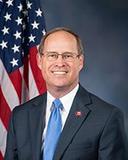
Introduced in the House on Mar 30, 2026.
See Gregory F. Murphy's votes and donorsCosponsors — members who signed on in support
91cosponsors
62 Democrats · 29 Republicans
Members of both parties have signed on.
- Bradley Scott SchneiderD-IL-10
- John JoyceR-PA-13
- Thomas R. SuozziD-NY-3
- Robert F. OnderR-MO-3
- Jimmy PanettaD-CA-19
- Mariannette Miller-MeeksR-IA-1
- Kim SchrierD-WA-8
- Robin L. KellyD-IL-2
Show all 91 cosponsorsHide the full list
- Herbert C. ConawayD-NJ-3
- Raja KrishnamoorthiD-IL-8
- Carol D. MillerR-WV-1
- Donald G. DavisD-NC-1
- David ScottD-GA-13
- Daniel MeuserR-PA-9
- Ted LieuD-CA-36
- Terri A. SewellD-AL-7
- Hillary J. ScholtenD-MI-3
- Lloyd SmuckerR-PA-11
- Salud O. CarbajalD-CA-24
- Dina TitusD-NV-1
- Vicente GonzalezD-TX-34
- Daniel S. GoldmanD-NY-10
- Glenn ThompsonR-PA-15
- Brian BabinR-TX-36
- Neal P. DunnR-FL-2
- Al GreenD-TX-9
- Gwen MooreD-WI-4
- Max L. MillerR-OH-7
- Claudia TenneyR-NY-24
- Brian K. FitzpatrickR-PA-1
- Brendan F. BoyleD-PA-2
- Joyce BeattyD-OH-3
- Julie JohnsonD-TX-32
- Ron EstesR-KS-4
- Eugene Simon VindmanD-VA-7
- Shri ThanedarD-MI-13
- Marilyn StricklandD-WA-10
- Blake D. MooreR-UT-1
- Maggie GoodlanderD-NH-2
- Ronny JacksonR-TX-13
- Bennie G. ThompsonD-MS-2
- André CarsonD-IN-7
- Ami BeraD-CA-6
- Zoe LofgrenD-CA-18
- Janelle S. BynumD-OR-5
- Darin LaHoodR-IL-16
- Mike KennedyR-UT-3
- Josh GottheimerD-NJ-5
- Emily RandallD-WA-6
- Timothy M. KennedyD-NY-26
- J. Luis CorreaD-CA-46
- Eric SorensenD-IL-17
- Josh RileyD-NY-19
- Sharice DavidsD-KS-3
- Brittany PettersenD-CO-7
- John W. MannionD-NY-22
- Nellie PouD-NJ-9
- Jahana HayesD-CT-5
- Gilbert Ray CisnerosD-CA-31
- Eleanor Holmes NortonD-DC-0
- Andy HarrisR-MD-1
- Joseph D. MorelleD-NY-25
- Michael LawlerR-NY-17
- Tom BarrettR-MI-7
- Chuck EdwardsR-NC-11
- Robert J. WittmanR-VA-1
- Debbie Wasserman SchultzD-FL-25
- Tim MooreR-NC-14
- Derek TranD-CA-45
- Gabe AmoD-RI-1
- Jared F. GoldenD-ME-2
- Jefferson Van DrewR-NJ-2
- April McClain DelaneyD-MD-6
- Andrew R. GarbarinoR-NY-2
- Juan CiscomaniR-AZ-6
- Susie LeeD-NV-3
- Ritchie TorresD-NY-15
- Kristen McDonald RivetD-MI-8
- Analilia MejiaD-NJ-11
- Deborah K. RossD-NC-2
- Thomas H. KeanR-NJ-7
- Derrick Van OrdenR-WI-3
- George WhitesidesD-CA-27
- James C. MoylanR-GU-0
- George LatimerD-NY-16
- Haley M. StevensD-MI-11
- Morgan McGarveyD-KY-3
- Jim CostaD-CA-21
- LaMonica McIverD-NJ-10
- Nikema WilliamsD-GA-5
- Jason CrowD-CO-6
Committees handling it
A bill is sent to the committee that covers its subject. The committee decides whether it ever reaches a vote of the full chamber.
Ways and Means Committee
House
- Markup By · May 21, 2026
- Referred To · Mar 30, 2026
Energy and Commerce Committee
House
- Referred To · Mar 30, 2026
Full timeline
Every recorded action on H.R. 8163, from the day it was introduced to the most recent, exactly as the House, the Senate, and the Library of Congress logged it.
- IntroducedHouse
Introduced in House
- House
Referred to the Committee on Energy and Commerce, and in addition to the Committee on Ways and Means, for a period to be subsequently determined by the Speaker, in each case for consideration of such provisions as fall within the jurisdiction of the committee concerned.
- House
Committee Consideration and Mark-up Session Held
- House
Ordered to be Reported in the Nature of a Substitute by the Yeas and Nays: 44 - 0.
What it would cost
The Congressional Budget Office is Congress's nonpartisan scorekeeper. These are its estimates of what this measure would cost or save.
Have a view on H.R. 8163? Your leaders vote on it.
Tell your senators and your representative where you stand. We fill in who represents you and reference this bill in the letter.
Write your leaders about thisSource: Congress.gov record for H.R. 8163(opens in new tab)