
H.R. 4669 · 119th Congress · Emergency Management
FEMA Act of 2025
A bill that started in the House. To become law it must pass the House and the Senate in identical form and be signed by the President.
Where it stands
In committee in the House
- Introduced — doneJul 23, 2025
- Committee — not yet
- Passed the House — not yet
- Passed the Senate — not yet
- Sent to the President — not yet
- Became law — not yet
Latest action · Sep 3, 2025
Ordered to be Reported (Amended) by the Yeas and Nays: 57 - 3.
What this bill means
In plain English
This bill reestablishes the Federal Emergency Management Agency (FEMA) (currently within the Department of Homeland Security) as an independent, cabinet-level agency. It also makes broad changes to FEMA’s disaster and hazard mitigation assistance programs.
From the official summary by the Congressional Research Service (introduced in house version). The full summary is below.
If it passes
It becomes federal law, and what it describes takes effect on the dates written into the bill.
What still has to happen
- 1A House committee must take it up and approve it. Most bills never get past this step.
- 2Then the full House must pass it.
- 3Then the Senate must pass it in the same form.
- 4Then it goes to the President to sign or veto.
If it doesn't pass
- Nothing changes. The law stays exactly as it is today — a bill has no effect unless it is enacted.
- This bill expires when the 119th Congress ends on Jan 3, 2027. To try again, a member would have to introduce it as a new bill in the next Congress and start over.
Read the full official summaryCongressional Research Service · Introduced in House · Jul 23, 2025
This bill reestablishes the Federal Emergency Management Agency (FEMA) (currently within the Department of Homeland Security) as an independent, cabinet-level agency. It also makes broad changes to FEMA’s disaster and hazard mitigation assistance programs.
The bill generally transfers FEMA’s current functions and authorities to the independent FEMA, except for certain security-related programs.
The bill makes various changes to the Public Assistance program, including by
establishing new grants for expedited funding to repair or replace disaster-damaged facilities,
establishing block grants that recipients may choose instead of Public Assistance for smaller disasters,
expediting and expanding uses of funding for emergency response and debris removal, and
allowing use of excess administrative funds for increasing recipients’ disaster management capacity.
The bill makes various changes to the Individual Assistance program, including by
expanding eligibility for housing assistance,
expanding mitigation and direct (non-financial) assistance for residences,
reducing certain restrictions on funds duplicating program benefits, and
establishing a unified disaster application system.
The bill makes various changes to FEMA’s mitigation programs, including by
establishing mitigation plans with preapproved projects,
authorizing an entire Hazard Mitigation Grant Program grant to be provided before costs are incurred,
changing pre-disaster mitigation assistance to noncompetitive formula grants, and
allowing recipients to combine mitigation project funds from multiple federal programs.
Additionally, federal entities must publish various information relating to disaster assistance and conduct various studies on related topics (e.g., preliminary damage assessments, fast-moving disasters, and government emergency alerting systems).
Who started it
Sponsor — the member who introduced it
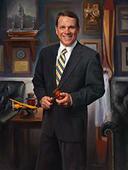
Introduced in the House on Jul 23, 2025.
See Sam Graves's votes and donorsCosponsors — members who signed on in support
100cosponsors
46 Democrats · 54 Republicans
Members of both parties have signed on.
- Rick LarsenD-WA-2
- Daniel WebsterR-FL-11
- Greg StantonD-AZ-4
- David RouzerR-NC-7
- Mike EzellR-MS-4
- Chuck EdwardsR-NC-11
- Mike HaridopolosR-FL-8
- Mike ThompsonD-CA-4
Show all 100 cosponsorsHide the full list
- Laura FriedmanD-CA-30
- Earl L. "Buddy" CarterR-GA-1
- Randy FineR-FL-6
- Tom ColeR-OK-4
- Jared MoskowitzD-FL-23
- Josh RileyD-NY-19
- Brian K. FitzpatrickR-PA-1
- Lucy McBathD-GA-6
- Gus M. BilirakisR-FL-12
- Brett GuthrieR-KY-2
- Laura GillenD-NY-4
- Ken CalvertR-CA-41
- Jack BergmanR-MI-1
- Mark AlfordR-MO-4
- Donald G. DavisD-NC-1
- Gabe VasquezD-NM-2
- Tracey MannR-KS-1
- Bill HuizengaR-MI-4
- Eugene Simon VindmanD-VA-7
- Wesley BellD-MO-1
- Janelle S. BynumD-OR-5
- Tim WalbergR-MI-5
- Neal P. DunnR-FL-2
- Pat HarriganR-NC-10
- Scott FranklinR-FL-18
- Glenn GrothmanR-WI-6
- Kat CammackR-FL-3
- Cleo FieldsD-LA-6
- Carol D. MillerR-WV-1
- Darren SotoD-FL-9
- William R. TimmonsR-SC-4
- Sanford D. BishopD-GA-2
- Chris PappasD-NH-1
- Rudy YakymR-IN-2
- Joe WilsonR-SC-2
- Robert P. BresnahanR-PA-8
- W. Gregory SteubeR-FL-17
- Thomas R. SuozziD-NY-3
- Gregory F. MurphyR-NC-3
- Kim SchrierD-WA-8
- Troy BaldersonR-OH-12
- Nicholas A. LangworthyR-NY-23
- Deborah K. RossD-NC-2
- Shomari FiguresD-AL-2
- Tim MooreR-NC-14
- Laurel M. LeeR-FL-15
- Nicholas J. BegichR-AK-0
- Nick LaLotaR-NY-1
- Adam SmithD-WA-9
- Mike CareyR-OH-15
- David ScottD-GA-13
- Jefferson Van DrewR-NJ-2
- Pete StauberR-MN-8
- Jeff HurdR-CO-3
- Hillary J. ScholtenD-MI-3
- Emily RandallD-WA-6
- Maxwell FrostD-FL-10
- Aaron BeanR-FL-4
- Derrick Van OrdenR-WI-3
- Steve WomackR-AR-3
- Morgan McGarveyD-KY-3
- David KustoffR-TN-8
- Lance GoodenR-TX-5
- Angie CraigD-MN-2
- Salud O. CarbajalD-CA-24
- Michelle FischbachR-MN-7
- Lizzie FletcherD-TX-7
- Jimmy PanettaD-CA-19
- Julie FedorchakR-ND-0
- Randy FeenstraR-IA-4
- Mark DeSaulnierD-CA-10
- Ashley HinsonR-IA-2
- Mariannette Miller-MeeksR-IA-1
- Lois FrankelD-FL-22
- Jimmy PatronisR-FL-1
- Ron EstesR-KS-4
- Sharice DavidsD-KS-3
- Jesús G. "Chuy" GarcíaD-IL-4
- Eleanor Holmes NortonD-DC-0
- Dina TitusD-NV-1
- James GallagherR-CA-1
- Henry C. "Hank" JohnsonD-GA-4
- André CarsonD-IN-7
- Frederica S. WilsonD-FL-24
- Nikki BudzinskiD-IL-13
- Judy ChuD-CA-28
- Valerie P. FousheeD-NC-4
- Jill N. TokudaD-HI-2
- Tony WiedR-WI-8
- Brad FinstadR-MN-1
- Josh GottheimerD-NJ-5
- Scott H. PetersD-CA-50
Committees handling it
A bill is sent to the committee that covers its subject. The committee decides whether it ever reaches a vote of the full chamber.
Transportation and Infrastructure Committee
House
- Markup By · Sep 3, 2025
- Discharged from · Sep 3, 2025
- Referred To · Jul 23, 2025
Subcommittee: Economic Development, Public Buildings, and Emergency Management Subcommittee
Homeland Security Committee
House
- Referred To · Jul 23, 2025
Subcommittee: Emergency Management and Technology Subcommittee
Full timeline
Every recorded action on H.R. 4669, from the day it was introduced to the most recent, exactly as the House, the Senate, and the Library of Congress logged it.
- IntroducedHouse
Introduced in House
- House
Referred to the Committee on Transportation and Infrastructure, and in addition to the Committee on Homeland Security, for a period to be subsequently determined by the Speaker, in each case for consideration of such provisions as fall within the jurisdiction of the committee concerned.
- House
Referred to the Subcommittee on Emergency Management and Technology.
- House
Referred to the Subcommittee on Economic Development, Public Buildings, and Emergency Management.
- House
Subcommittee on Economic Development, Public Buildings, and Emergency Management Discharged
- House
Committee Consideration and Mark-up Session Held
- House
Ordered to be Reported (Amended) by the Yeas and Nays: 57 - 3.
Have a view on H.R. 4669? Your leaders vote on it.
Tell your senators and your representative where you stand. We fill in who represents you and reference this bill in the letter.
Write your leaders about thisSource: Congress.gov record for H.R. 4669(opens in new tab)