
S. 1759 · 119th Congress · Transportation and Public Works
Supersonic Aviation Modernization Act
A bill that started in the Senate. To become law it must pass the Senate and the House in identical form and be signed by the President.
Where it stands
Cleared committee — waiting for a Senate vote
- Introduced — doneMay 14, 2025
- Cleared committee — doneNov 10, 2026
- Passed the Senate — not yet
- Passed the House — not yet
- Sent to the President — not yet
- Became law — not yet
Latest action · Nov 10, 2026
Placed on Senate Legislative Calendar under General Orders. Calendar No. 694.
What this bill means
In plain English
This bill directs the Federal Aviation Administration (FAA) to allow civil aircraft to operate at speeds above Mach 1 (i.e., supersonic) over land in the United States under certain conditions.
From the official summary by the Congressional Research Service (introduced in senate version). The full summary is below.
If it passes
It becomes federal law, and what it describes takes effect on the dates written into the bill.
What still has to happen
- 1Senate leaders must schedule it for a vote, and the Senate must pass it.
- 2Then the House must pass it in the same form.
- 3Then it goes to the President to sign or veto.
If it doesn't pass
- Nothing changes. The law stays exactly as it is today — a bill has no effect unless it is enacted.
- This bill expires when the 119th Congress ends on Jan 3, 2027. To try again, a member would have to introduce it as a new bill in the next Congress and start over.
Read the full official summaryCongressional Research Service · Introduced in Senate · May 14, 2025
This bill directs the Federal Aviation Administration (FAA) to allow civil aircraft to operate at speeds above Mach 1 (i.e., supersonic) over land in the United States under certain conditions.
Specifically, the FAA must issue or revise regulations to allow for the operation of civil aircraft at speeds greater than Mach 1 in the national airspace system without a special authorization, so long as no sonic boom reaches the ground in the United States.
Current regulations prohibit civil aircraft from operating above Mach 1 speeds over land in the United States without a special flight authorization issued by the FAA.
Who started it
Sponsor — the member who introduced it
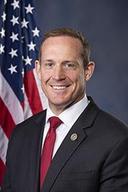
Introduced in the Senate on May 14, 2025.
See Ted Budd's votes and donorsCosponsors — members who signed on in support
5cosponsors
2 Democrats · 3 Republicans
Members of both parties have signed on.
- Thomas TillisR-NC
- Mike LeeR-UT
- Tim SheehyR-MT
- John W. HickenlooperD-CO
- Michael F. BennetD-CO
Committees handling it
A bill is sent to the committee that covers its subject. The committee decides whether it ever reaches a vote of the full chamber.
Commerce, Science, and Transportation Committee
Senate
- Reported By · Nov 10, 2026
- Markup By · Jul 22, 2026
- Referred To · May 14, 2025
- Referred To · May 14, 2025
Full timeline
Every recorded action on S. 1759, from the day it was introduced to the most recent, exactly as the House, the Senate, and the Library of Congress logged it.
- IntroducedSenate
Introduced in Senate
Read twice and referred to the Committee on Commerce, Science, and Transportation.
Committee on Commerce, Science, and Transportation. Ordered to be reported with an amendment in the nature of a substitute favorably.
- Cleared committee
Committee on Commerce, Science, and Transportation. Reported by Senator Cruz with an amendment in the nature of a substitute. With written report No. 119-160.
- Senate
Placed on Senate Legislative Calendar under General Orders. Calendar No. 694.
What it would cost
The Congressional Budget Office is Congress's nonpartisan scorekeeper. These are its estimates of what this measure would cost or save.
Have a view on S. 1759? Your leaders vote on it.
Tell your senators and your representative where you stand. We fill in who represents you and reference this bill in the letter.
Write your leaders about thisSource: Congress.gov record for S. 1759(opens in new tab)