
H.R. 522 · 119th Congress · Commerce
FAITH in Small Business Act
A bill that started in the House. To become law it must pass the House and the Senate in identical form and be signed by the President.
Where it stands
In committee in the House
- Introduced — doneJan 16, 2025
- Committee — not yet
- Passed the House — not yet
- Passed the Senate — not yet
- Sent to the President — not yet
- Became law — not yet
Latest action · Jan 16, 2025
Referred to the House Committee on Small Business.
What this bill means
In plain English
This bill implements a proposed rule by the Small Business Administration (SBA) that allows certain faith-based organizations to access business loan and disaster assistance programs.
From the official summary by the Congressional Research Service (introduced in house version). The full summary is below.
If it passes
It becomes federal law, and what it describes takes effect on the dates written into the bill.
What still has to happen
- 1A House committee must take it up and approve it. Most bills never get past this step.
- 2Then the full House must pass it.
- 3Then the Senate must pass it in the same form.
- 4Then it goes to the President to sign or veto.
If it doesn't pass
- Nothing changes. The law stays exactly as it is today — a bill has no effect unless it is enacted.
- This bill expires when the 119th Congress ends on Jan 3, 2027. To try again, a member would have to introduce it as a new bill in the next Congress and start over.
Read the full official summaryCongressional Research Service · Introduced in House · Jan 16, 2025
This bill implements a proposed rule by the Small Business Administration (SBA) that allows certain faith-based organizations to access business loan and disaster assistance programs.
The programs include the Intermediary Lending Program (ILP), Business Loan programs (7(a), microloan, and 504 programs), Economic Injury Disaster Loan (EIDL) program, Military Reservist Economic Injury Disaster Loan (MREIDL) program, and Immediate Disaster Assistance Program (IDAP).
Current SBA regulations generally prohibit access to these programs if an organization is principally engaged in teaching, instructing, counseling, or indoctrinating religion or religious beliefs.
Recent Supreme Court opinions have found it unconstitutional to deny an otherwise qualified recipient access to a public benefit based solely on the organization's religious character (e.g., Trinity Lutheran Church of Columbia, Inc. v. Comer, 582 U.S. 449 (2017)).
Who started it
Sponsor — the member who introduced it
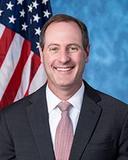
Introduced in the House on Jan 16, 2025.
See Tracey Mann's votes and donorsCosponsors — members who signed on in support
4cosponsors
0 Democrats · 4 Republicans
Every cosponsor so far is a Republican.
- Derek SchmidtR-KS-2
- Brian BabinR-TX-36
- Pat FallonR-TX-4
- Rudy YakymR-IN-2
Committees handling it
A bill is sent to the committee that covers its subject. The committee decides whether it ever reaches a vote of the full chamber.
Small Business Committee
House
- Referred To · Jan 16, 2025
Full timeline
Every recorded action on H.R. 522, from the day it was introduced to the most recent, exactly as the House, the Senate, and the Library of Congress logged it.
- IntroducedHouse
Introduced in House
- House
Referred to the House Committee on Small Business.
Have a view on H.R. 522? Your leaders vote on it.
Tell your senators and your representative where you stand. We fill in who represents you and reference this bill in the letter.
Write your leaders about thisSource: Congress.gov record for H.R. 522(opens in new tab)