
H.R. 4814 · 119th Congress · Social Welfare
Supplemental Security Income Equality Act
A bill that started in the House. To become law it must pass the House and the Senate in identical form and be signed by the President.
Where it stands
In committee in the House
- Introduced — doneJul 29, 2025
- Committee — not yet
- Passed the House — not yet
- Passed the Senate — not yet
- Sent to the President — not yet
- Became law — not yet
Latest action · Jul 29, 2025
Referred to the House Committee on Ways and Means.
What this bill means
In plain English
This bill extends Supplemental Security Income (SSI) benefits to eligible residents of Puerto Rico, the U.S. Virgin Islands, Guam, and American Samoa. SSI is a federal assistance program designed to help aged, blind, and disabled individuals with limited income and resources meet basic needs. Under current law, residents of these territories are excluded from the program.
From the official summary by the Congressional Research Service (introduced in house version). The full summary is below.
If it passes
It becomes federal law, and what it describes takes effect on the dates written into the bill.
What still has to happen
- 1A House committee must take it up and approve it. Most bills never get past this step.
- 2Then the full House must pass it.
- 3Then the Senate must pass it in the same form.
- 4Then it goes to the President to sign or veto.
If it doesn't pass
- Nothing changes. The law stays exactly as it is today — a bill has no effect unless it is enacted.
- This bill expires when the 119th Congress ends on Jan 3, 2027. To try again, a member would have to introduce it as a new bill in the next Congress and start over.
Read the full official summaryCongressional Research Service · Introduced in House · Jul 29, 2025
This bill extends Supplemental Security Income (SSI) benefits to eligible residents of Puerto Rico, the U.S. Virgin Islands, Guam, and American Samoa. SSI is a federal assistance program designed to help aged, blind, and disabled individuals with limited income and resources meet basic needs. Under current law, residents of these territories are excluded from the program.
Under the bill, the Social Security Administration may waive or modify statutory requirements relating to the provision of benefits as necessary to adapt the SSI program to each territory.
The bill also eliminates a cap on payments to these territories from certain programs, including Temporary Assistance for Needy Families (TANF) and other grants to support aid for older individuals, blind individuals, and individuals with disabilities.
Finally, the bill specifies that non-citizen U.S. nationals are eligible for SSI benefits under the same conditions as U.S. citizens. (Individuals born in American Samoa are nationals, but not citizens, of the United States.)
Who started it
Sponsor — the member who introduced it
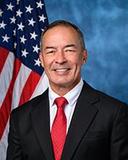
Introduced in the House on Jul 29, 2025.
See James C. Moylan's votes and donorsCosponsors — members who signed on in support
5cosponsors
3 Democrats · 2 Republicans
Members of both parties have signed on.
- Stacey E. PlaskettD-VI-0
- Aumua Amata Coleman RadewagenR-AS-0
- Pablo Jose HernándezD-PR-0
- Kimberlyn King-HindsR-MP-0
- Eleanor Holmes NortonD-DC-0
Committees handling it
A bill is sent to the committee that covers its subject. The committee decides whether it ever reaches a vote of the full chamber.
Ways and Means Committee
House
- Referred To · Jul 29, 2025
Full timeline
Every recorded action on H.R. 4814, from the day it was introduced to the most recent, exactly as the House, the Senate, and the Library of Congress logged it.
- IntroducedHouse
Introduced in House
- House
Referred to the House Committee on Ways and Means.
Have a view on H.R. 4814? Your leaders vote on it.
Tell your senators and your representative where you stand. We fill in who represents you and reference this bill in the letter.
Write your leaders about thisSource: Congress.gov record for H.R. 4814(opens in new tab)