
Background
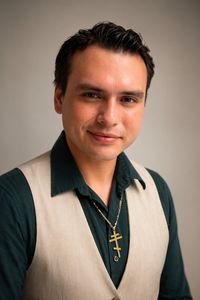
William Pounds was born in Tempe, Arizona. He earned a high school diploma from IntelliSchool and a bachelor's degree from North South University in 2022. His career experience includes serving as a political organizer, where he led the 2020 presidential campaign for Jesse Ventura and Cynthia McKinney. Additionally, he earns income from writing and recording songs.[1][2]
Pounds has been affiliated with the following organizations/political campaigns:[2]
Dr.SHIVA2024
The Cynthia McKinney Institute
Judge Joe Brown For Memphis Mayor
VenturaMcKinney2020
Christians Against The State of Israel
USS Liberty Veterans Association.
- Bachelor's:
- North South University, 2022
- High school:
- IntelliSchool
In their own words
Who are you? Tell us about yourself.
I’m William Pounds, a proud independent thinker, political advocate, and someone deeply committed to serving the people. My journey in politics has been shaped by my experiences as a former chair for Jesse Ventura's 2020 presidential campaign and my work as an advocate for real systemic change. I've had the honor of being endorsed by bold leaders like Louis Farrakhan and mentored by the incomparable Cynthia McKinney, who has instilled in me the importance of truth and accountability in governance.
I believe in challenging the status quo, standing up for the voiceless, and delivering innovative solutions to today’s problems. My **Energy Dividends Plan**, for example, builds on my 2022 Arizona gubernatorial campaign proposal to provide economic relief through equitable investment in energy.
As a Christian, I’m guided by principles of justice, stewardship, and love for my neighbor. Politically, I am unafraid to question mainstream narratives, whether that’s about 9/11, election integrity, or foreign policy. My platform is about putting people over party lines—whether it’s defending working-class families, advocating for transparency, or fighting against corruption in all its forms.
What drives me? The belief that with courage and determination, we can rebuild trust in our government and give power back to the people.
Please list below 3 key messages of your campaign. What are the main points you want voters to remember about your goals for your time in office?
Empowering the People, Restoring Trust
My campaign is built on a simple yet radical idea: government should serve the people, not special interests. It’s time for bold leadership that puts transparency, accountability, and economic empowerment at the forefront. Whether it’s through my Energy Dividends Plan, fighting for election integrity, or challenging endless wars abroad, my mission is clear—restore trust in our institutions by delivering results that directly benefit the people.
This isn’t about left or right; it’s about right and wrong. Together, we can build a government that works *for you*.Economic Freedom Through Innovation
It’s time to rethink how we create wealth for everyday Americans. My Energy Dividends Plan is a cornerstone of this vision—investing in all forms of energy to generate profits that go directly back to taxpayers. This is more than an economic proposal; it’s a blueprint for a future where innovation fuels prosperity for everyone, not just the elite.
By prioritizing energy independence and rewarding the hard work of taxpayers, we can break free from the grip of corporate greed and give families the financial freedom they deserve. Let’s lead with solutions that empower, not exploit.Transparency and Accountability for a Stronger Society
The foundation of any society is trust, and that trust has been eroded by corruption, backroom deals, and unaccountable leaders. My campaign is committed to exposing the truth, from election integrity to government overreach, and ensuring every American’s voice is heard.
We must hold our leaders to the highest standards of accountability, end the revolving door of corporate lobbying, and shine a light on the dark corners of our political system. With your support, we can build a government that operates openly, honestly, and always in service to the people.
What areas of public policy are you personally passionate about?
I’m passionate about policies that empower people and restore trust in government. My Energy Dividends Plan ensures taxpayer benefits from investments in all forms of energy, driving economic equity and sustainability. I advocate for election integrity through hand-counted ballots, transparency, and removing dark money from politics. On foreign policy, I champion ending endless wars, respecting national sovereignty, and focusing on domestic priorities. I support social justice initiatives, uplifting working-class families, and addressing systemic inequities. Above all, I demand transparency, accountability, and truth in governance to rebuild trust and create a future that serves everyone.
Who do you look up to? Whose example would you like to follow, and why?
I look up to my mentor, Cynthia McKinney, and the late Petra Kelly because they both exemplify the courage, integrity, and dedication needed to challenge the status quo and fight for justice. Cynthia McKinney has been an unwavering voice for the oppressed, tirelessly advocating for peace, transparency, and accountability in a political system that often ignores the needs of the people. Petra Kelly’s bold leadership in the Green Party and her commitment to nonviolence, environmental sustainability, and social justice inspire me to always prioritize the well-being of the planet and its people. Both women have shown that true leadership requires standing up against corruption, speaking truth to power, and never compromising on one’s values, even when faced with immense opposition. Their legacy continues to motivate me to pursue a path of authenticity and service to the greater good.
Is there a book, essay, film, or something else you would recommend to someone who wants to understand your political philosophy?
Fighting For Hope by Petra Kelly. Ain't Nothing Like Freedom by Cynthia McKinney.
What characteristics or principles are most important for an elected official?
The most important characteristics and principles for an elected official are:
1. Integrity
- They must be honest, transparent, and unwavering in their commitment to serving the public good, even when it’s politically inconvenient.
2. Accountability
- An official should take responsibility for their actions and decisions, ensuring they remain answerable to the people who elected them.
3. Courage
- True leadership requires the bravery to stand up against corruption, challenge the status quo, and fight for what’s right, not just what’s popular.
4. Empathy
- Understanding and prioritizing the struggles of constituents is key to making policies that truly serve the people.
5. Vision
- A leader must have a clear, forward-thinking plan to address today’s challenges and build a better future.
6. Commitment to Justice
- An unwavering dedication to fairness, equality, and the protection of individual freedoms is essential for ethical governance.
7. Resilience
- Navigating political pressures and opposition requires perseverance and the ability to adapt while staying true to core principles.
8. Stewardship
- They must act as responsible caretakers of resources, ensuring sustainable solutions for future generations.
An elected official isn’t just a decision-maker; they’re a representative of the people, and these traits are vital for earning and keeping public trust.
What do you believe are the core responsibilities for someone elected to this office?
Any elected official’s core responsibility is to represent their constituents with integrity, ensuring their voices are heard and their needs are prioritized. This involves drafting and advocating for legislation that promotes economic opportunity, social equity, and environmental sustainability while safeguarding constitutional rights. They must provide oversight to ensure government transparency and fiscal responsibility, ensuring taxpayer dollars are used effectively. Engaging with the community through open dialogue and responsive action is critical, as is building coalitions across party lines to address pressing issues. Above all, they must lead with accountability, empathy, and a steadfast commitment to serving the public good.
If you could be any fictional character, who would you want to be?
Indiana Jones
What is something that has been a struggle in your life?
The blood the federal government has forced upon my hands by funding Genocide in Gaza.
Governors have many responsibilities, which vary from state to state. Which of those do you personally consider the most important in your state?
As governor, I would prioritize economic leadership by fostering job creation, supporting small businesses, and ensuring sustainable growth across all communities. Ensuring access to affordable healthcare, especially in underserved areas, is critical, alongside making substantial investments in education to equip future generations with the tools for success. Public safety must be balanced with justice reform, addressing systemic issues in policing and the criminal justice system. I’d also focus on environmental protection, leading efforts to combat climate change and promote renewable energy. Above all, I believe in transparency and government accountability, ensuring that every decision is made in service of the people and their future.
Different states require governors to have different degrees of responsibility for the state budgeting process. If it were your choice, what do you believe is the appropriate degree of gubernatorial involvement with this process in your state?
In my state, I believe the governor should have a strong but collaborative role in the state budgeting process. The governor should propose the budget, prioritizing the needs of the people—investing in education, healthcare, infrastructure, and public safety while maintaining fiscal responsibility. The governor should work closely with the legislature to ensure that the budget reflects the will of the people and balances long-term investments with short-term needs. While the legislature has the final say, the governor should use their position to advocate for the most effective use of taxpayer dollars, ensuring transparency, accountability, and equity in the distribution of resources. This approach would allow the governor to lead the budgeting process while respecting the checks and balances inherent in the system.
In most states, governors have the power to make line-item vetoes. If that is true in your state, what would be your philosophy for how and when to use this power?
If I had the power of line-item vetoes in my state, my philosophy would be to use this authority judiciously and responsibly. I would reserve line-item vetoes for instances where specific provisions in the budget or legislation are wasteful, redundant, or harmful to the public interest. My focus would be on eliminating unnecessary spending, such as excessive allocations to corporate welfare or pet projects that do not benefit the people. However, I would also work to preserve the integrity of the overall budget, making sure that essential services like education, healthcare, and public safety remain fully funded. This power should be used to ensure that taxpayer money is spent effectively and in a way that directly improves the lives of the people, without undermining the overall legislative process or important policy goals.
What do you believe is the ideal relationship between the governor and state legislature?
The ideal relationship between the governor and state legislature should be one of cooperation, mutual respect, and a shared commitment to serving the people. While the governor leads the executive branch and the legislature represents the will of the people through lawmaking, both branches must work together to address the state’s challenges and achieve common goals. This means open communication, transparency, and a willingness to find compromise on important issues. The governor should advocate for policies that align with the public interest, but also be open to feedback and collaboration with lawmakers to create balanced, effective legislation. Ultimately, the relationship should be grounded in a commitment to transparency, accountability, and prioritizing the needs of the people above party politics or personal agendas.
What do you love most about your state?
What I love most about my state is its incredible diversity and the resilience of its people. From the vibrant communities to the natural beauty that stretches across the landscape, there’s an undeniable spirit of innovation, hard work, and a deep connection to the land. My state has a rich history of people coming together to overcome challenges, whether it's through grassroots movements, a thriving local culture, or a shared commitment to progress. I’m also inspired by the potential for growth and change—there’s an untapped energy here that, with the right leadership, could transform this state into a model for sustainable prosperity, social equity, and true democratic participation.
What do you perceive to be your state's greatest challenges over the next decade?
Over the next decade, my state will face significant challenges, including economic inequality, with widening disparities in income and opportunity; affordable housing shortages, making it harder for families to thrive; and inadequate healthcare access, particularly in rural areas. Climate change will also take a toll, with extreme weather events and resource strain requiring urgent action toward sustainability. Education reform is needed to ensure every child has access to high-quality schooling, addressing gaps in funding and resources. Lastly, political polarization threatens to impede progress, making collaboration and unity essential to overcoming these challenges and building a better future for all residents.
Under what circumstances should the governor of your state be able to use emergency powers?
The governor of my state should be able to use emergency powers under circumstances where there is a clear and imminent threat to public health, safety, or welfare that cannot be effectively addressed through normal legislative processes. This includes situations like natural disasters (e.g., hurricanes, wildfires), public health emergencies (e.g., bioweapon attacks on the state), or civil unrest that requires immediate action to protect lives and maintain order. However, the use of emergency powers should be limited in scope and duration, with oversight by the legislature to ensure that powers are not abused or extended unnecessarily. The governor should also be transparent in their actions, providing regular updates to the public and working in collaboration with local governments and agencies. Emergency powers must always be used with caution, ensuring that the rights and freedoms of individuals are not unduly compromised.
What organizations or individuals have endorsed your campaign?
Louis Farrakhan. Cynthia McKinney. Shiva Ayyadurai. Pamela Anderson. Judge Joe Brown. Vermin Supreme.
What are your views on financial transparency and government accountability?
Financial transparency and government accountability are fundamental to restoring trust in our institutions and ensuring that taxpayer money is spent wisely. I believe the government must be fully transparent about how funds are allocated and used, with clear, accessible reporting on budgets, expenditures, and contracts. Citizens have a right to know where their money goes, and any misuse or waste must be immediately addressed. Additionally, government officials should be held accountable for their actions, with strict measures to prevent corruption, bribery, and conflicts of interest. This includes regular audits, open access to public records, and strong whistleblower protections. Transparency isn’t just about numbers; it’s about ensuring that every decision made is in the best interest of the public, not special interests or political elites.
Do you support or oppose changes to the current state ballot initiative process? If so, what kind of changes would you consider?
I support changes to the state ballot initiative process that make it more accessible, transparent, and accountable, while preserving the people's power to directly participate in democracy. This includes simplifying the signature gathering process to reduce unnecessary barriers, ensuring initiatives are clearly communicated to the public with accessible information on their implications, and addressing corporate influence by limiting the ability of special interest groups to dominate campaigns. Additionally, strengthening oversight to ensure initiatives align with the state’s constitution and long-term interests would help maintain the integrity of the process. These reforms would empower citizens to enact meaningful change while safeguarding fairness and transparency.
A governor is the top executive authority in his or her state. What does that mean to you?
To me, being the top executive authority means being the ultimate advocate for the people of the state, with the responsibility to ensure that the government functions efficiently, transparently, and in service to the common good. As governor, the role isn’t just about overseeing departments or enforcing laws; it’s about setting the vision for the state's future, managing resources responsibly, and leading with a strong moral compass. It requires making tough decisions that prioritize the welfare of the people—whether that’s ensuring quality healthcare, improving education, or creating economic opportunities. It’s about having the authority to act swiftly in times of crisis while maintaining steady, thoughtful leadership during normal times. Ultimately, it means being accountable to the people, protecting their rights, and being their voice in government.
Who are you? Tell us about yourself.
I'm former Co-Chair of Jesse Ventura's 2020 Presidential exploratory committee and former campaign director for Cynthia McKinney's Vice-Presidential campaign.
Please list below 3 key messages of your campaign. What are the main points you want voters to remember about your goals for your time in office?
I'm running to prop up a new Green Party in Arizona and pledge that party's ballot line to Jesse Ventura in 2024I want to deliver the long due right of collective bargaining to all Arizona employees I want Arizona to power the nation with solar panels on every Arizona household and business possible
What areas of public policy are you personally passionate about?
I'm most interested in labor rights and environmental issues.
Is there a book, essay, film, or something else you would recommend to someone who wants to understand your political philosophy?
Thinking Green! Essays on Environmentalism, Feminism, and Nonviolence by Petra Kelly.
What characteristics or principles are most important for an elected official?
Integrity, honesty, and transparency.
What do you believe are the core responsibilities for someone elected to this office?
The well-being of the state environment, citizens, and economy are the Governor's priority when vetting legislation.
What was your very first job? How long did you have it?
I was a TSR Line Trainer for Dish Network in High School, I was employed by Dish Network for about one year.
If you could be any fictional character, who would you want to be?
Indiana Jones
A governor is the top executive authority in his or her state. What does that mean do you?
It means the office is highest responsibility as it is equal in power to the many individuals whom occupy the entire legislature.
Governors have many responsibilities, which vary from state to state. Which of those do you personally consider the most important in your state?
Overseeing the safety and stability of the citizenry by signing on to the legislation that benefits the people and vetoing corrupted legislation.
Different states require governors to have different degrees of responsibility for the state budgeting process. If it were your choice, what do you believe is the appropriate degree of gubernatorial involvement with this process in your state?
Fifty percent involvement, I would maintain.
In most states, governors have the power to make line-item vetoes. If that is true in your state, what would be your philosophy for how and when to use this power?
Line item vetos allow governors to keep out pork from becoming law without vetoing the entire legislative package. Pork barrel politics is reprehensible and I would prefer single items be passed along to the Governor's desk and not legislative packages.
If the governor's office in your state does not have the line-item veto power, do you believe it should? Why or why not?
It should. I want to be able to veto pork barreled polices.
What do you believe is the ideal relationship between the governor and state legislature?
Equal in governing power.
What do you love most about your state?
The fresh air.
What do you perceive to be your state's greatest challenges over the next decade?
Climate change, labor rights, and workplace conditions are taking a turn for the worst. Theses are challenges which I aim to address and act on.
On the 2026 ballot
Links
Compiled from the candidate’s published profile as of September 30, 2026.
Source(opens in new tab)