
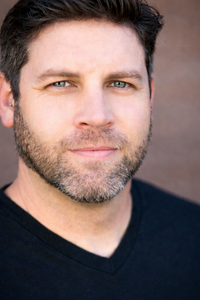
Background
Travis Hysell earned a high school diploma from Richfield High School. He also attended Utah Valley University. His career experience includes working as a construction worker.[1]
- High school:
- Richfield High School
In their own words
Who are you? Tell us about yourself.
I'm a construction worker, volunteer, and community advocate running to represent Utah House District 55. My life hasn't followed the typical path into politics. I experienced homelessness, food insecurity, bullying, and foster care as a child, and those experiences taught me resilience, compassion, and the importance of standing up for people who are struggling. Through years of volunteer service and community involvement, I've focused on helping others and bringing people together. I'm running because I believe government should work for everyday families, workers, and small businesses—not just those with the loudest voices or the most influence.
Please list below 3 key messages of your campaign. What are the main points you want voters to remember about your goals for your time in office?
Every Utahn deserves the opportunity to succeed. I know what it's like to struggle because I've lived it. I'll fight to make housing more affordable, improve access to quality education and healthcare, and ensure that hardworking families can build stable, secure lives.Government should be accountable, transparent, and responsive. I believe elected officials should listen to their communities, communicate honestly, and put people ahead of politics. My focus is on practical solutions that improve everyday life for Utah families.Strong communities are built by neighbors helping neighbors. My years of volunteer service have shown me the power of working together. I'll support policies that strengthen local communities, protect public education, invest in infrastructure, and expand opportunities for future generations.
What areas of public policy are you personally passionate about?
I'm passionate about policies that improve the lives of working families and strengthen communities. My priorities include affordable housing, accessible healthcare, quality public education, protecting workers' rights, expanding economic opportunity, supporting small businesses, investing in infrastructure, responsible fiscal stewardship, and ensuring every child has the opportunity to succeed regardless of their background. I also believe in increasing government transparency and accountability so that citizens can have confidence in their elected representatives.
Who do you look up to? Whose example would you like to follow, and why?
Rather than one political figure, I look up to the people who quietly serve their communities every day—teachers, volunteers, parents, and workers who make sacrifices without seeking recognition. Their commitment to helping others reminds me that leadership is about service. I've also drawn inspiration from the heroes in comic books I read growing up, whose stories taught me to stand up for people who couldn't stand up for themselves and to use whatever abilities you have to make life better for others.
What characteristics or principles are most important for an elected official?
Integrity, empathy, humility, and accountability are the qualities I value most in an elected official. Representatives should listen more than they speak, be honest with constituents even when the truth is difficult, and remember that public office is a position of service—not power. Every decision should be guided by what is best for the people they represent rather than partisan politics or special interests.
What do you believe are the core responsibilities for someone elected to this office?
A state representative's primary responsibility is to represent the people of their district by listening to their concerns, crafting thoughtful legislation, and providing responsible oversight of state government. They should protect taxpayer dollars, strengthen public education and infrastructure, promote economic opportunity, and ensure that every constituent has a voice in the legislative process.
What legacy would you like to leave?
I want to leave a legacy of making government more responsive to everyday people and helping create opportunities for those who feel like they've been left behind. If someone who grew up facing homelessness, food insecurity, and foster care can help improve the lives of future generations, then I'll consider my public service worthwhile. I hope to be remembered as someone who listened, treated people with respect, and made a positive difference.
What was your very first job? How long did you have it?
My very first job was when I was eight years old, working part-time during the growing season in wheat fields. My primary job was pulling rye out of the wheat, but I also did whatever other tasks needed to be done. I worked alongside a crew of migrant farmworkers who treated me with kindness and respect. They looked out for me, shared their meals with me, and taught me the value of hard work and looking after one another.
That experience gave me an early appreciation for the dignity of labor and for the people whose work often goes unnoticed but is essential to our communities. It also taught me that character isn't measured by a person's title or circumstances, but by how they treat others. Those lessons have stayed with me throughout my life and continue to shape how I approach service, leadership, and public office.
What is something that has been a struggle in your life?
Growing up, I experienced homelessness, food insecurity, bullying, and time in foster care. Those experiences were difficult, but they taught me resilience and compassion. They also gave me a firsthand understanding of the challenges many families face and inspired me to dedicate my life to serving others and advocating for stronger communities.
What do you believe is the ideal relationship between the governor and state legislature?
The governor and the legislature should have a relationship built on mutual respect, transparency, and collaboration. While each branch has distinct constitutional responsibilities, they should work together to solve problems, provide checks and balances, and put the interests of Utahns ahead of partisan disagreements. Healthy debate is important, but cooperation is essential for effective government.
What do you perceive to be your state's greatest challenges over the next decade?
Utah's greatest challenges include keeping housing affordable, managing rapid population growth, ensuring reliable water resources, maintaining strong public education, expanding transportation infrastructure, and preserving economic opportunity for working families. We must also ensure that growth benefits communities across the state while protecting Utah's quality of life and natural resources.
Do you believe that compromise is necessary or desirable for policymaking?
Yes. Effective policymaking requires compromise, but compromise should never mean abandoning core principles or basic values. The best solutions often come from listening to different perspectives and finding common ground. While there are issues where firm convictions are necessary, most of the work of governing requires collaboration and mutual respect.
What organizations or individuals have endorsed your campaign?
Utah Progressive Caucus
What was the first historical event that happened in your lifetime that you remember?
One of the first major historical events I remember was the Space Shuttle Challenger disaster in 1986. I was in third grade, watching the launch live on television with my classmates when the shuttle exploded. Like millions of Americans, I was shocked and confused by what we had just witnessed. It's a moment that has stayed with me ever since. It taught me that moments of great hope can also bring great tragedy, and it showed me how a nation can come together to grieve, learn, and continue moving forward.
On the 2026 ballot
Links
Compiled from the candidate’s published profile as of September 30, 2026.
Source(opens in new tab)