
Background
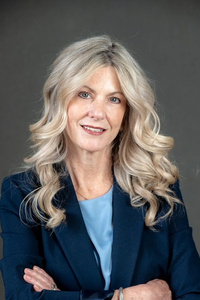
Suzanne Gavenus (Democratic Party) is running for election to the North Carolina House of Representatives to represent District 85. She is on the ballot in the general election on November 3, 2026. The Democratic primary for this office on March 3, 2026, was canceled.
In their own words
Who are you? Tell us about yourself.
Hi, I’m Suzanne Gavenus. My husband Gary and I have lived in Burnsville for more than 23 years, where we raised our three children and before that, we lived, worked, and met in Avery County. I’m a licensed clinical social worker and currently serve as Director of Counseling and Wellness at NCSSM in Morganton.
I’ve spent my career listening to families, students, and educators when systems aren’t working—and helping them find real solutions. I’m running for the North Carolina House because District 85 deserves a representative who shows up, listens, and fights for our mountain communities.
I believe everyone should have access to affordable healthcare and mental health services, our educators deserve respect and fair pay, working families need affordable housing, childcare and living wages, and disaster recovery should focus on long-term resilience so our communities can rebuild stronger.
I bring leadership that is grounded in service, focused on working families, and committed to long-term solutions and economic stability for Avery, McDowell, Mitchell, and Yancey Counties—and to make sure our voices are heard in Raleigh.
Please list below 3 key messages of your campaign. What are the main points you want voters to remember about your goals for your time in office?
In Western North Carolina, too many families struggle to access affordable healthcare and mental health services close to home. Long drives, long waitlists, and limited providers leave people without the care they need—especially in rural communities.
Supporting working mountain families means making sure people can afford to live where they work. That includes access to affordable housing, affordable childcare, and wages that allow families to meet basic needs without leaving the community they call home. When families are stable, schools are stronger, local businesses thrive, and communities are more resilient.Hurricane Helene didn’t just flood roads and homes—it disrupted lives, livelihoods, and entire communities. Long after the waters receded, many families are still dealing with repairs, insurance gaps, and uncertainty about the future.
Long-term flood recovery requires sustained investment beyond emergency response. Priorities include funding for housing repair and replacement, resilient infrastructure, floodplain and watershed management, and support for local governments navigating complex recovery programs.
The state must partner with local communities to pursue mitigation strategies that reduce repeat flooding, including infrastructure upgrades, land-use planning, and environmentally sound building practices.Strong public schools are the backbone of strong communities. If we want our children to succeed and our towns to thrive, we have to support the educators who make that possible. That means paying teachers and school staff a professional wage, reducing turnover, and making sure rural schools have the resources they need to serve students well.
In rural communities, schools are often the heart of the community. When we lose educators because pay isn’t sustainable, students suffer and families are pushed to look elsewhere. Supporting educators means keeping schools strong and communities intact.
What areas of public policy are you personally passionate about?
I am passionate about policies that strengthen rural communities and improve everyday quality of life for families in Western NC, for people first.These include:
Healthcare & mental health access, especially in rural areas where services are limited & costs are high
Strong public schools & support for educators, including fair pay, student support services, & respect for local schools
Affordable housing, childcare, & living wages so working families can afford to stay in their communities
Disaster recovery & long-term resilience, ensuring that recovery efforts after events like Hurricane Helene actually reach local families & build back stronger
Economic stability for working families & small businesses
On the 2026 ballot
Links
Compiled from the candidate’s published profile as of September 30, 2026.
Source(opens in new tab)