
Background
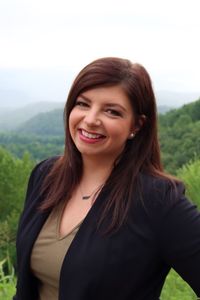
Sheila McMahan was born in Cosby, Tennessee. She earned a high school diploma from Cosby High School, an associate degree from Walter's State Community College in 2013, and a bachelor's degree from East Tennessee State University in 2022. McMahan's career experience includes working as a healthcare professional.[1]
- Associates:
- Walter's State Community College, 2013
- Bachelor's:
- East Tennessee State University, 2022
- High school:
- Cosby High School
In their own words
Who are you? Tell us about yourself.
I’m Sheila Grooms McMahan, a lifelong daughter of Cocke County. My family has lived and worked in these mountains for centuries and everything I am comes from this place.
By trade, I’m a respiratory therapist. I spend my days helping folks breathe easier, often in their hardest moments. That work gave me not just skills, but perspective: people deserve leaders who care, listen, and fight for them.
Outside of the hospital, I’m a wife, a hunter, and someone who finds peace in our woods and pride in our people. I’m running because I want to give back to the community that raised me, and to bring a voice from these hills to Nashville.
Please list below 3 key messages of your campaign. What are the main points you want voters to remember about your goals for your time in office?
For centuries, my family has lived in these mountains, and I’ll fight to keep them strong. That means protecting our farmland, forests, and waterways, while ensuring Nashville invests in rural communities instead of leaving us behind. Our way of life deserves leaders who understand the unique needs of Appalachian families and stand up for them.I’m not running to blindly follow party bosses or Nashville insiders. My only loyalty is to the people of District 11. If a bill helps our families, schools, or small businesses, I’ll fight for it no matter who wrote it. And if it hurts us, I’ll stand up against it, even if it comes from my own party.I want every child in District 11 to have a real chance to thrive without having to leave home. From improving schools and healthcare to creating good-paying jobs, I will work to expand opportunities so our families can build a future here in the mountains. Our children deserve leaders who invest in their potential, not just in politics.
What areas of public policy are you personally passionate about?
I’m passionate about policies that improve the lives of families in District 11. As a respiratory therapist, I’ve seen how gaps in healthcare hurt our communities, so I support accessible, affordable care. I also care deeply about education and opportunities for our kids, from strong schools to vocational programs that keep young people rooted here. I want Nashville to invest in rural economic development, supporting small businesses, protecting farmland, and creating jobs. Finally, I’m committed to protecting our mountains, forests, and waterways while promoting responsible growth.
What characteristics or principles are most important for an elected official?
The most important characteristics for an elected official are integrity, accountability, and a genuine commitment to the people they serve. Leaders should listen to their constituents, understand their challenges, and put community needs above party politics. Common sense, fairness, and a willingness to work across divides are essential for making decisions that truly benefit the community. Resilience and courage are also critical. It takes grit to stand up for what’s right, even when it’s not popular.
For me, being grounded in the community you represent is non-negotiable. An official must know the people, the land, and the culture of the district, and carry that perspective to the halls of government. Leaders should be problem-solvers who champion practical solutions, fight for opportunity, and ensure families in their district can thrive without having to leave home. Above all, elected officials must lead with honesty, humility, and a deep sense of responsibility, because public service is a privilege, not a platform.
What do you believe are the core responsibilities for someone elected to this office?
The core responsibilities of someone elected to the Tennessee State House include actively listening to constituents, understanding their needs, and turning those priorities into effective policy. They must draft, support, and vote on legislation that strengthens local schools, protects the people, and creates economic opportunities that allow families to stay and thrive in their communities. Protecting rural infrastructure, ensuring responsible use of state funds, and advocating for small businesses and local agriculture are also essential duties.
Additionally, an elected official must serve as a bridge between state government and the district, keeping citizens informed, fighting for their interests in Nashville, and holding agencies accountable for their impact on local communities. They are responsible for creating solutions that address both immediate needs and long-term challenges, ensuring the district has a voice in decisions that affect its future. Above all, the office requires dedication to representing the district’s unique culture, values, and way of life while ensuring policies lead to tangible improvements for families here at home.
What legacy would you like to leave?
That I was a voice for my people, and I always had their back.
What do you believe is the ideal relationship between the governor and state legislature?
I believe the governor and the state legislature should work together as partners, not opponents, with the focus always on what’s best for the people of Tennessee, our families, schools, and communities. The governor should provide vision and leadership, while legislators ensure that laws reflect the needs and realities of the districts they represent. Disagreements are inevitable, but they should be handled with respect, common sense, and a commitment to finding solutions that improve lives. Ultimately, the people deserve leaders who communicate, listen, and work together to get results that truly benefit our state. As someone who has lived and worked in these mountains for my whole life, I believe our unique Appalachian perspective should guide how Nashville makes decisions that affect us.
What do you perceive to be your state's greatest challenges over the next decade?
Over the next decade, Tennessee faces a number of critical challenges that will shape the lives of families and communities, especially in rural areas. One of the most pressing is strengthening education and workforce opportunities. Our children deserve schools that prepare them for success, whether they choose college, technical training, or skilled trades. Students should have access to programs that give them real pathways to meaningful careers while also keeping the option open to pursue higher education without being forced to leave home.
Another major challenge is ensuring accessible and affordable healthcare. Many rural counties, including my own in East Tennessee, are considered economically distressed, and access to quality care is limited. Hospitals are closing, providers are scarce, and families often have to travel long distances for essential services.
Economic development in rural communities is also urgent. Small businesses, local farms, and family-run industries need support, and state policies must prioritize job creation in counties that have been historically left behind.
Finally, protecting our natural resources, infrastructure, and environment is essential. The mountains, rivers, and farmland that define Tennessee are vital to our economy, culture, and way of life, and planning for responsible growth while addressing climate impacts will be key.
Meeting these challenges will require leaders who listen to the people, invest wisely, and fight for policies that strengthen our communities rather than leaving them behind. As someone who has lived and worked in these mountains my whole life, I believe the voices of distressed and rural counties must be at the center of decision-making in Nashville.
Do you believe that it’s beneficial for state legislators to have previous experience in government or politics?
No, I don’t believe previous experience in government or politics is necessary to be an effective legislator. What matters most is being informed, understanding the needs of your community, and making thoughtful, practical decisions that improve lives. Leaders who have lived and worked in the district, whether as nurses, teachers, farmers, or small business owners, bring real-world knowledge, common sense, and a strong connection to the people they serve. Being a public servant requires dedication, preparation, and a willingness to learn, not a career in politics.
Do you believe it’s beneficial to build relationships with other legislators? Please explain your answer.
Yes, building relationships with other legislators is important, but it should be rooted in collaboration, not politics. Strong relationships help get things done for your district, from passing bills that improve schools and healthcare to supporting local businesses and infrastructure. By working respectfully with colleagues across party lines, a legislator can share ideas, find common ground, and craft solutions that actually benefit communities. At the same time, relationships should never compromise your commitment to the people you represent; loyalty to constituents must always come first.
Is there a particular legislator, past or present, whom you want to model yourself after?
I don’t model myself after any one legislator. I want to be a leader who listens, understands, and works hard for the people of District 11. My focus is on putting the community first, making practical decisions, and serving with honesty and accountability, not following a political playbook or career path.
Are you interested in running for a different political office (for example, the U.S. Congress or governor) in the future?
No. I’m not chasing a political career, and I don’t see myself running for higher office. My heart and my energy are here in District 11, with the people who raised me and shaped who I am. I want to be fully present for our communities, listening to neighbors, understanding their challenges, and working every day to make life better right here at home. Serving in this role is about giving back, not climbing a political ladder, and I’m committed to putting the needs of our families, our schools, and our towns above any personal ambition.
Both sitting legislators and candidates for office hear many personal stories from the residents of their district. Is there a story that you’ve heard that you found particularly touching, memorable, or impactful?
hear many stories from families across District 11, but as a healthcare worker, one stands out the most. A family shared the struggle of trying to get TennCare to cover essential care for their child. They had to make multiple appeals, navigate confusing paperwork, and still drive hours to see specialists, all while juggling medical bills on things not covered by TennCare and the stress it put on their daily lives. Hearing how these challenges affected their education, work, and family time made me realize how critical it is to have leaders who understand the real struggles families face every day. Stories like theirs strengthen my commitment to fight for policies that make healthcare, education, and opportunity more accessible, especially in rural and economically distressed communities like ours. They remind me why I’m running to serve people, not politics.
Should the legislature oversee or grant the use of emergency powers?
Yes, the legislature should oversee and have the authority to grant the use of emergency powers. Emergencies sometimes require quick action, but unchecked power can lead to decisions that don’t reflect the needs of the people. Legislators represent their constituents and should ensure that emergency measures are necessary, proportionate, and temporary. Oversight provides a balance between swift action and accountability, making sure that the government protects public safety while respecting the rights and freedoms of citizens.
What is the first bill you would introduce if elected?
If elected, the first bill I would introduce would focus on creating good-paying jobs in rural and economically distressed communities, including District 11. It would provide incentives for businesses to invest locally, but only if they meet clear stipulations, like hiring locally, paying a living wage, and contributing to the community rather than just taking state dollars. Too often, big corporations receive tax breaks without delivering real benefits, leaving small towns behind. This bill would ensure that state support translates into meaningful, sustainable jobs that allow families to stay and thrive in their communities.
Would a state ballot initiative process be good or bad for your state?
I support a state ballot initiative process because it would give Tennesseans a more direct voice in shaping laws and addressing issues that matter to our communities. At the same time, I recognize that implementing such a process would require careful consideration and planning to ensure that initiatives are clear, fair, and not unduly influenced by special interests. Done thoughtfully, it could strengthen our democracy and empower citizens to have a greater say in decisions that affect their lives.
Candidates hear many personal stories from voters. Is there a story that you’ve heard that you found particularly touching or memorable?
I was holding a small town hall in Bybee, TN, and near the end of it, an elderly gentleman walked in carrying my invitation I had sent out to some people. I stopped speaking and welcomed him, and he said something that brought tears to my eyes. He said, "I don't see good, but when I got this in the mail, and read what you wrote me on the back, I just couldn't believe someone cared enough about me, a nobody, to send me a hand-written message and an invitation. I knew I had to come, but then it was raining, so I waited til it lightened up enough so I could drive here. I apologize for being late."
That right there is why I am doing this.
What legislation would you enact related to election administration in your state?
If elected, I would prioritize legislation that enhances voter access, transparency, and accountability in Tennessee’s election administration. Building upon recent legislative developments, such as the adoption of 36 election-related bills in 2024, I propose the following initiatives:
1. Expand Early Voting Access: Introduce legislation to increase the number of early voting days and polling locations, particularly in rural and underserved areas, to ensure all citizens have ample opportunity to vote.
2. Implement Automatic Voter Registration: Advocate for policies that automatically register eligible citizens to vote when they interact with state agencies, streamlining the process and increasing voter participation.
3. Enhance Voter Education: Support initiatives that provide clear, accessible information about voting procedures, candidate platforms, and ballot measures, empowering voters to make informed decisions.
4. Strengthen Election Security: Promote the use of secure, verifiable voting methods and ensure that all election equipment is regularly updated and maintained to protect the integrity of our elections.
5. Protect Voter Rights: Enact laws that safeguard against voter suppression, ensure equitable access to voting for all citizens, and uphold the principles of democracy.
By implementing these measures, we can work towards a more inclusive and transparent electoral system that reflects the will of the people.
On the 2026 ballot
Links
Compiled from the candidate’s published profile as of September 30, 2026.
Source(opens in new tab)