
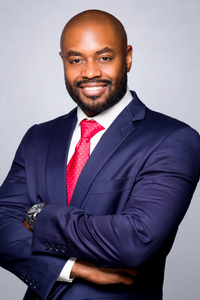
Background
Scott Jackson earned a high school diploma from Cross Keys High School, an associate degree from the Gwinnett College, a bachelor's degree from DeVry University, and a graduate degree from Southern New Hampshire University. His career experience includes working as an executive as the director of leadership and professional development.[1]
- Graduate:
- Southern New Hampshire University
- Associates:
- Gwinnett College
- Bachelor's:
- DeVry University
- High school:
- Cross Keys High School
Campaign themes
Scott Jackson has not yet completed [the profile publisher]'s 2026 Candidate Connection survey.
Send a message to Scott Jackson asking him to fill out the survey.
If you are Scott Jackson, click here to fill out [the profile publisher]'s 2026 Candidate Connection survey.
Who fills out the candidate survey?
Any candidate running for elected office, at any level, can complete [the profile publisher]'s Candidate Survey. Completing the survey will update the candidate's [the profile publisher] profile, letting voters know who they are and what they stand for. More than 32,000 candidates have taken [the profile publisher]'s candidate survey since we launched it in 2015. Learn more about the survey here.
You can ask Scott Jackson to fill out this survey by using the button below or emailing info@scotttjacksonforga.com.
Who are you? Tell us about yourself.
I’m Scott T. Jackson, a devoted husband, father, and seasoned executive with over 15 years of experience in management, operations, and leadership development. Throughout my career, I’ve successfully implemented process improvements, increased productivity, and developed leadership programs that support individuals with disabilities and mental health issues. I hold an MBA in International Business and multiple certifications from prestigious institutions like Harvard Business School. My passion for leadership and community service drives me to make a positive impact in both business and public service.
Please list below 3 key messages of your campaign. What are the main points you want voters to remember about your goals for your time in office?
Economic Development: I am committed to enacting policies that stimulate job growth, support small businesses, and invest in industries that create sustainable employment. Through initiatives like infrastructure projects, tax incentives for job creation, and workforce development programs, I will ensure Georgians have the opportunities they need to thrive, not just survive. My goal is to build an economy that works for everyone, leaving a better future for generations to come.Infrastructure & Sustainability: As Georgia continues to grow, we must balance development with preserving our natural resources. I will advocate for infrastructure improvements that reduce traffic congestion and provide sustainable solutions for future growth. It's vital that we protect Georgia's landscape while ensuring that new developments are integrated seamlessly into our communities.Support for Mental Health, Disabilities, and Our Aging Community: As a leader with experience in developing programs for people with disabilities, I understand the importance of accessible healthcare, meaningful employment, and educational opportunities for all. As a member of the state legislature, I will champion policies that improve healthcare access, promote workforce inclusion, and ensure that our aging population receives the support they need to live with dignity.
What areas of public policy are you personally passionate about?
I am passionate about advocating for mental health, supporting people with disabilities, and ensuring our aging community is cared for. Mental health should be treated with the same priority as physical health, which means expanding access to services and reducing stigma. For individuals with disabilities, I will push for policies that promote accessible healthcare, employment, and education. Additionally, Georgia’s growing aging population requires more comprehensive support, from affordable healthcare to accessible housing, to help them maintain their independence and dignity.
Who do you look up to? Whose example would you like to follow, and why?
I look up to my mother more than anyone. She raised me and my brother on her own until she remarried when I was in middle school. During those years, she worked multiple jobs to make ends meet, ensuring we were always well-fed and the bills were paid, no matter how hard things got. Her work ethic was unmatched, and she worked harder than most men I know.
What I admire most about her is her fearlessness. She never backed down from a challenge and always found a way to persevere. She instilled in me and my siblings the belief that we could accomplish anything we set our minds to. Her strength, resilience, and unwavering determination have shaped who I am today, and I strive to follow her example of hard work, dedication, and fearlessness.
Is there a book, essay, film, or something else you would recommend to someone who wants to understand your political philosophy?
I would recommend the book "The Audacity of Hope" by Barack Obama. It captures a balanced political philosophy rooted in optimism, pragmatism, and a deep belief in the potential of people to come together for the common good. The book explores key issues such as economic opportunity, healthcare, and community responsibility, all of which align with my belief that government should be a force for positive change.
Additionally, the film "The Pursuit of Happiness" is an inspiring story about perseverance and resilience, values I hold dear when advocating for policies that support working families, individuals with disabilities, and marginalized communities. Both works emphasize empathy, equality, and the idea that everyone deserves a fair shot at success, core principles in my political philosophy.
What characteristics or principles are most important for an elected official?
For an elected official, integrity is paramount. They must be honest, transparent, and accountable to the people they serve. They should also demonstrate empathy, truly understanding and prioritizing the needs of their constituents. Effective leadership requires strong communication skills, the ability to collaborate, and the willingness to listen to diverse perspectives. Additionally, an elected official must be dedicated to public service, making decisions based on what benefits the community rather than personal interests. Resilience, adaptability, and a commitment to fairness and justice are also essential in navigating the challenges of public office.
What qualities do you possess that you believe would make you a successful officeholder?
I believe my qualities of resilience, strong work ethic, and dedication to serving others would make me a successful officeholder. Growing up, I learned the value of hard work and determination from my mother, which has fueled my ability to tackle challenges head-on and persevere, no matter the obstacles.
I also possess strong leadership skills, honed through years of professional experience in management and leadership development. These skills have taught me how to bring people together, solve problems collaboratively, and drive results that benefit everyone involved.
Additionally, my deep empathy for the challenges that people face motivates me to listen closely to my constituents, understand their concerns, and fight for policies that truly improve their lives. My commitment to transparency, accountability, and community engagement ensures that I will always work with integrity and in the best interest of the people I serve.
What do you believe are the core responsibilities for someone elected to this office?
The core responsibilities of someone elected to the Georgia House of Representatives include representing the interests and concerns of constituents by crafting, debating, and voting on legislation that addresses their needs. This involves staying connected to the community, listening to their concerns, and advocating for policies that enhance their quality of life. It’s also essential to ensure transparency and accountability by communicating legislative decisions and actions to the public.
In addition to lawmaking, an elected official must collaborate with fellow legislators to find solutions to statewide issues like education, healthcare, and economic development. They must also oversee the allocation of the state budget, ensuring that resources are distributed equitably to support public services. Upholding the state constitution and maintaining ethical standards are crucial responsibilities, as is advocating for justice, fairness, and the well-being of all Georgians.
What legacy would you like to leave?
I want to leave a legacy of meaningful impact and positive change for the community. I hope to be remembered as someone who genuinely cared about people, listened to their concerns, and fought tirelessly to improve their lives. My goal is to create a future where working families have the support they need, where access to education, healthcare, and economic opportunity is equitable, and where Georgia's growth is sustainable for generations to come.
I want my legacy to reflect the values of hard work, empathy, and integrity, leaving behind a stronger community and better opportunities for all. If I can inspire others to believe in their own power to make a difference and contribute to a better future, that would be the legacy I’d be proud to leave.
What is the first historical event that happened in your lifetime that you remember? How old were you at the time?
The first historical event that I vividly remember is the 9/11 terror attack. I was 19 years old at the time, and like many, the day left a lasting impact on me. I remember the shock and disbelief as the events unfolded, followed by the deep sense of sorrow for the lives lost and the uncertainty about what would come next. That moment not only changed the course of history but also made me reflect on the fragility of life and the importance of unity in times of crisis. It shaped how I view national security, community resilience, and the need for strong leadership in difficult times.
What was your very first job? How long did you have it?
My very first job was at Shelby’s, a combined beauty shop and barber shop on Buford Highway in Duluth, GA. I was 12 years old when I walked in looking for a way to earn money for school clothes, and to my surprise, she hired me on the spot. I worked there for three years, cleaning the barber and beautician stations, and with that job, I saved enough to pay for my first car.
What stood out to me most about Shelby was her dedication to the community and her support for other aspiring small business owners. Working for her instilled in me a deep appreciation for entrepreneurship and the importance of small businesses. That early experience shaped my work ethic and planted the seed for my passion for supporting local businesses and economic development.
What is your favorite book? Why?
My favorite book is The 7 Habits of Highly Effective People by Stephen Covey. This book has had a profound impact on both my personal and professional life. It offers timeless principles for self-improvement, leadership, and success that are not only practical but deeply insightful. The focus on character, integrity, and proactive behavior resonates with me, as these are qualities I strive to embody in my own life and work. Covey's emphasis on balancing personal values with professional responsibilities has helped shape how I approach challenges, build relationships, and make decisions with a long-term perspective.
If you could be any fictional character, who would you want to be?
If I could pick an anime character, I'd choose Naruto Uzumaki from Naruto. He’s an underdog who rises above countless obstacles with sheer determination, hard work, and a never-give-up attitude. Despite facing rejection and hardship early in life, Naruto remains optimistic and driven to protect his friends and become a great leader. His journey from outcast to Hokage embodies resilience, loyalty, and personal growth qualities I admire and strive to embody in my own life. Plus, his boundless energy and sense of humor make him a character that’s easy to root for!
What was the last song that got stuck in your head?
The last song that got stuck in my head was "Blinding Lights" by The Weeknd. It's got a great mix of energy and nostalgia with its retro vibe, and the driving beat makes it impossible not to get hooked. The lyrics about searching for clarity and connection really resonate, especially when you’re pushing through life's ups and downs. It's one of those songs that keeps you motivated and in a good headspace.
What is something that has been a struggle in your life?
One of the biggest struggles in my life has been balancing work, family, and personal goals. Like many, I’ve often found myself pulled in multiple directions trying to excel in my career while ensuring I’m present for my family and pursuing my own ambitions. There have been times when it felt overwhelming, especially when I was younger, juggling jobs to support myself and reach my goals.
However, this struggle has taught me the importance of perseverance, time management, and maintaining a strong support system. It has also deepened my empathy for others facing similar challenges, especially working families who struggle to make ends meet while trying to provide a better life for their children. This experience is part of what drives me to advocate for policies that support working families and create more opportunities for balance and success.
What do you believe is the ideal relationship between the governor and state legislature?
The ideal relationship between the governor and the state legislature should be one of collaboration, mutual respect, and balance. Both branches play critical roles in shaping state policy, and while they may come from different perspectives, their shared goal should always be to serve the best interests of the people.
Effective communication is essential to this relationship. The governor and legislature should work together to find common ground, especially on key issues like budget allocation, healthcare, education, and economic development. Constructive dialogue and compromise are necessary to ensure that policies are practical, fair, and reflective of the diverse needs of the state.
While collaboration is key, the legislature should also act as a check on the executive branch, holding the governor accountable for decisions and ensuring transparency. A healthy balance of power fosters accountability and ensures that no branch of government has unchecked authority. Ultimately, by working together, the governor and legislature can craft policies that benefit all citizens of Georgia.
What do you perceive to be your state's greatest challenges over the next decade?
Georgia faces several significant challenges over the next decade:
Economic Inequality: While the state has experienced growth, many communities still struggle with poverty and lack access to good paying jobs. Addressing income disparity and ensuring equitable economic opportunities for all Georgians is crucial.
Healthcare Access: Access to affordable healthcare remains a pressing issue, especially in rural areas. Expanding Medicaid and improving mental health services will be vital to ensuring that all Georgians receive the care they need.
Infrastructure Strain: As Georgia's population continues to grow, the infrastructure, particularly transportation, will need significant improvements. Addressing traffic congestion, public transit, and maintaining roads and bridges will be essential for sustainable growth.
Environmental Sustainability: Balancing development with the need to protect Georgia's natural resources is critical. Climate change, water management, and conservation efforts will require proactive policies to preserve the state's beauty and biodiversity.
Education: Ensuring that all students have access to quality education and resources is fundamental. Addressing disparities in funding and support will help prepare the next generation for success in a rapidly changing job market.
Do you believe that it’s beneficial for state legislators to have previous experience in government or politics?
Yes, previous experience in government or politics can be beneficial for state legislators, but it’s not the only path to effective leadership. Understanding the legislative process, knowing how to navigate bureaucratic systems, and having familiarity with public policy issues can provide valuable insights for making informed decisions.
However, diverse backgrounds such as experience in business, education, healthcare, or community organizing can also bring fresh perspectives and innovative solutions to the table. Ultimately, the most important qualities for a legislator are a commitment to serving the community, strong communication skills, the ability to collaborate, and a willingness to listen to constituents. A mix of experiences can lead to a more well-rounded and effective legislature that truly represents the needs and interests of the people.
Do you believe it’s beneficial to build relationships with other legislators? Please explain your answer.
Yes, building relationships with other legislators is highly beneficial for several reasons:
Collaboration: Strong relationships foster collaboration across party lines, making it easier to find common ground on issues. This cooperation is essential for crafting effective legislation that addresses the needs of constituents.
Networking: Developing connections with fellow legislators can enhance knowledge sharing and resource access. It allows for the exchange of ideas and best practices, which can lead to more innovative and effective policies.
Bipartisan Support: Building relationships can help bridge divides between parties, making it more likely to garner bipartisan support for important initiatives. This is crucial in a diverse state like Georgia, where different perspectives need to be considered.
Advocacy: Legislators who work well together can advocate more effectively for their shared priorities. Strong alliances can amplify voices and influence decision-making at the state level.
Community Impact: Ultimately, these relationships can lead to better outcomes for constituents. When legislators collaborate, they can create comprehensive solutions that address complex issues more holistically.
Is there a particular legislator, past or present, whom you want to model yourself after?
Yes, I admire the late John Lewis for his unwavering commitment to justice, equality, and civil rights. His courageous activism and dedication to nonviolent protest were instrumental in shaping the landscape of American civil rights. Lewis exemplified the qualities of integrity, compassion, and resilience, always prioritizing the needs of his constituents and advocating for marginalized communities.
I appreciate how he was able to build bridges across party lines while remaining steadfast in his principles. His ability to inspire others and his focus on grassroots engagement are qualities I aspire to embody as a legislator. Like Lewis, I aim to be a voice for those who often go unheard, championing policies that promote equality and social justice while fostering collaboration to effect meaningful change in our communities.
Are you interested in running for a different political office (for example, the U.S. Congress or governor) in the future?
At this time, I am focused solely on local and state political offices. My commitment is to serving my community at this level, where I believe I can make a direct and meaningful impact. While I appreciate the importance of federal positions, my passion lies in addressing the specific needs and challenges facing our local and state constituents. I aim to prioritize initiatives that enhance the quality of life for the people I represent, and I believe that working at the local and state levels allows for more immediate and tangible change.
Both sitting legislators and candidates for office hear many personal stories from the residents of their district. Is there a story that you’ve heard that you found particularly touching, memorable, or impactful?
One story that deeply resonated with me was shared by a single mother in my district who struggles to balance work and childcare. She described how, despite her best efforts, she often finds herself torn between providing for her family and being present for her children.
Her experience underscores the need for policies that support working families, such as expanded access to affordable childcare and flexible work arrangements. Hearing her story reinforced my commitment to advocating for initiatives that empower families and ensure they have the resources needed to thrive. It’s a powerful reminder of the real-life impact our decisions can have on the lives of constituents.
Tell us your favorite joke.
Should the legislature oversee or grant the use of emergency powers?
Yes, the legislature should play a crucial role in overseeing or granting the use of emergency powers. While emergency powers are sometimes necessary to respond swiftly to crises, such as public health emergencies or natural disasters, it is essential that these powers are subject to legislative oversight to ensure accountability and prevent potential abuse.
Here are a few reasons why legislative oversight is important:
Checks and Balances: Oversight by the legislature ensures a system of checks and balances, preventing any one branch of government from overstepping its authority during emergencies.
Transparency: Legislative involvement promotes transparency in decision-making. It allows for public discussion and debate regarding the necessity and scope of emergency measures, ensuring that constituents are informed.
Accountability: When the legislature is involved, it holds the executive branch accountable for its actions during emergencies, requiring officials to justify their decisions and respond to the needs of the community.
Long-Term Planning: The legislature can contribute to developing long-term strategies for recovery and resilience, ensuring that emergency measures align with broader public policy goals.
Community Input: Legislators can gather feedback from constituents and stakeholders, ensuring that emergency powers reflect the needs and concerns of the communities they represent.
What is the first bill you would introduce if elected?
If elected, my first bill would focus on improving infrastructure and promoting sustainability across our state. This legislation would aim to address the urgent need for modernized infrastructure while prioritizing environmentally friendly practices.
Key Components of the Bill:
Infrastructure Assessment: Conduct a comprehensive assessment of existing infrastructure, including roads, bridges, public transportation, and utilities, to identify areas in need of repair or modernization.
Green Building Initiatives: Implement standards for new infrastructure projects to ensure they incorporate sustainable materials and practices, reducing environmental impact and promoting energy efficiency.
Public Transportation Expansion: Increase funding for public transportation systems to reduce traffic congestion and provide affordable transportation options for all residents, particularly in underserved areas.
Community Engagement: Create opportunities for community input in infrastructure planning, ensuring that local voices are heard and that projects meet the needs of residents.
Funding and Incentives: Establish a grant program to encourage local governments to invest in sustainable infrastructure projects, with a focus on green technologies and renewable energy sources.
What organizations or individuals have endorsed your campaign?
The Communications Workers of America have endorsed my campaign, and I’m honored to have their support. Their commitment to advocating for workers' rights and better working conditions aligns perfectly with my focus on supporting working families and fostering economic development.
What committees interest you?
The committees that interest me most are:
Health & Human Services: I am passionate about expanding healthcare access, improving mental health services, and ensuring support for vulnerable populations like seniors and those with disabilities.
Human Relations & Aging: With a growing aging population, it's crucial to focus on policies that support seniors in healthcare, housing, and independence.
Small Business Development: I believe in empowering entrepreneurs and driving economic growth through policies that support small businesses.
State Planning & Community Affairs, Economic Development & Tourism, and Natural Resources & Environment: These committees allow me to focus on sustainable growth, infrastructure improvements, and preserving Georgia’s natural beauty while promoting economic opportunities.
What are your views on financial transparency and government accountability?
I believe financial transparency and government accountability are the cornerstones of a healthy democracy. Elected officials must be open about how taxpayer dollars are spent, ensuring that public resources are used responsibly and effectively. Transparency builds trust between government and citizens, and I am committed to advocating for clear, accessible reporting on budgets, spending, and government projects.
Accountability goes hand-in-hand with transparency. Public officials should be held to the highest ethical standards and must take responsibility for their actions and decisions. This includes ensuring that any misuse of power or funds is addressed swiftly and appropriately. I will work to uphold these principles and promote systems that encourage oversight, ethical behavior, and public participation in governance.
Would a state ballot initiative process be good or bad for your state?
A state ballot initiative process could be quite beneficial for Georgia, though it does come with some challenges. On the positive side, ballot initiatives empower citizens by giving them a direct say in important issues. This not only allows residents to propose and vote on laws that reflect their needs and priorities but also encourages greater civic engagement and voter turnout. When people feel their voices matter and can actively participate in shaping policies, it fosters a stronger democracy.
Moreover, the initiative process can lead to innovative solutions emerging from grassroots movements, addressing specific local concerns that might not be prioritized by the legislature. It also serves as a crucial check on legislators when they fail to act on pressing issues, ensuring that citizens can pursue change directly through the democratic process.
However, it’s important to acknowledge the potential drawbacks. Misinformation can easily sway voters, and some issues may be too complex to be distilled into a simple yes or no vote, making nuanced legislation better suited for legislative debate. Additionally, special interest groups might exploit the initiative process to push agendas that don't necessarily reflect the broader public interest.
If Georgia implements a ballot initiative process with appropriate safeguards such as clear guidelines for ballot language, requirements for public education campaigns, and measures to prevent undue influence by special interests, it could enhance democratic participation and empower residents to shape their own policies effectively.
On the 2026 ballot
Links
Compiled from the candidate’s published profile as of September 30, 2026.
Source(opens in new tab)