
Background
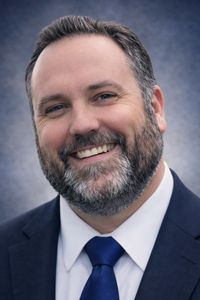
Ryan Kelly earned a bachelor's degree from Colorado State University in 2005 and a graduate degree from Monmouth University in 2007. His career experience includes working as a public servant.[1]
- Graduate:
- Monmouth University, 2007
- Bachelor's:
- Colorado State University, 2005
- High school:
- Woodland Park High School
Campaign money
- Raised
- $0
- From individuals
- $0
- From PACs & party
- $0
- Own money
- —
FEC filings.
View on FEC.gov(opens in new tab)In their own words
Who are you? Tell us about yourself.
I’m Ryan Michael Kelly, an independent candidate for Congress in New Jersey’s 3rd District.
My background is in public service, education, and civil rights, including work at the U.S. Department of Homeland Security. I’ve spent my career helping people navigate systems that are often complicated, frustrating, or don’t work the way they should.
I’m running because people are tired—tired of rising costs, tired of being told to wait, and tired of political dysfunction. Most people are focused on their families, their work, and getting through the week. They don’t have time for politics.
I do.
My campaign is focused on affordability, accountability, and making government work for people again—not itself.
Please list below 3 key messages of your campaign. What are the main points you want voters to remember about your goals for your time in office?
Make life more affordable for working families.
People are being squeezed by rising costs—housing, groceries, healthcare, and everyday expenses. I’m focused on practical solutions that help people keep more of what they earn and live with stability.Restore accountability and transparency in government.
Government should work for the public—not operate behind closed doors. I believe in clear communication, strong oversight, and making sure decisions are made in the best interest of the people.Cut through dysfunction and focus on getting things done.
Most people don’t have time for political drama—and they shouldn’t have to. As an independent, I’m focused on solving problems, working across perspectives, and delivering real results.
What areas of public policy are you personally passionate about?
I’m focused on affordability, government accountability, and practical governance.
This includes lowering the cost of living, expanding access to affordable housing and healthcare, and supporting working families who are feeling left behind.
I also believe strongly in transparency and oversight—ensuring government is responsive, ethical, and accountable to the public.
My background in civil rights informs my belief that systems should treat people fairly and consistently, and that government should work for people—not create barriers for them.
Who do you look up to? Whose example would you like to follow, and why?
I tend to look up to people who focus on getting things done without seeking attention for it—especially those in public service roles like first responders, educators, and community leaders. Their work is often quiet but deeply impactful. That’s the kind of example I try to follow: steady, focused, and centered on helping people.
What characteristics or principles are most important for an elected official?
Honesty, accountability, and consistency matter most. People don’t expect perfection, but they do expect transparency and a willingness to take responsibility. An elected official should be accessible, grounded in reality, and focused on solving problems—not creating them. Respect for others, regardless of differences, is also essential.
What do you believe are the core responsibilities for someone elected to this office?
The core responsibility is to represent the people of the district—listening to them, understanding their needs, and advocating for practical solutions. That includes passing legislation, providing oversight of federal agencies, and ensuring that government programs are working as intended. Just as important is helping constituents navigate federal systems when they need assistance.
What legacy would you like to leave?
I would like to be remembered as someone who made government work better for everyday people. If I can help restore trust, improve how systems function, and make life a little easier for working families, that’s a meaningful legacy.
What was your very first job? How long did you have it?
My first job was in my late teens, and like many people, it taught me the basics of responsibility—showing up on time, working with others, and earning what you receive. I held that job for about a year before moving into other roles that built on those early lessons.
What is something that has been a struggle in your life?
Like many people, I’ve faced personal and professional challenges that required persistence and adaptability. Navigating complex systems—whether in education, work, or government—has given me firsthand insight into how difficult those systems can be for everyday people. Those experiences shaped my commitment to making them more accessible and effective.
What qualities does the U.S. House of Representatives possess that makes it unique as an institution?
The House is designed to be closest to the people. Members represent smaller districts, which means they are directly connected to the day-to-day concerns of their constituents. That proximity creates both an opportunity and a responsibility to be responsive, accessible, and grounded in real-world issues.
What do you perceive to be the United States' greatest challenges as a nation over the next decade?
Affordability is a major challenge—many people feel like they are falling behind despite working hard. At the same time, there is growing distrust in institutions and increasing political division. Addressing both requires practical solutions, transparency, and leadership that focuses on results rather than rhetoric.
Do you believe that compromise is necessary or desirable for policymaking?
Yes, compromise is necessary. In a diverse country, no single perspective represents everyone. The goal should be to find practical solutions that move things forward while respecting different viewpoints. That doesn’t mean abandoning principles—it means being focused on outcomes.
What was the first historical event that happened in your lifetime that you remember?
One of the earliest major events I remember clearly is September 11, 2001. It had a profound impact on the country and shaped how many of us think about security, public service, and national unity.
On the 2026 ballot
Links
Compiled from the candidate’s published profile as of September 30, 2026 and FEC filings.
Source(opens in new tab)