Background
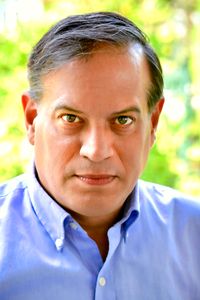
Ruben Cruz II earned a high school diploma from Richmond Hill High School. He earned a bachelor's degree from City University of New York, Queens College, in 1999. His career experience includes being a small business owner.[1] Cruz has been associated with the Latin American Intercultural Alliance, Central Queens Republican Club, and Queens Libertarians.[2]
- Bachelor's:
- City University of New York, Queens College, 1999
- High school:
- Richmond Hill High School
In their own words
Who are you? Tell us about yourself.
I am a professional business owner and the Founding Director of a firm that has provided health, wellness, and arts and culture programming across New York City since 2006. As a "Community Architect" and a 1999 graduate of Queens College with a degree in Theatre and Dance, I have spent over 15 years building the technical and social infrastructure necessary for our neighborhoods to thrive. I am a resident of Richmond Hill, Queens, where I serve on Community Board 9 and remain deeply involved in local advocacy.
My commitment to "Neighbors Before Politics" is rooted in a career of active service, from founding the Queens Pet Pantry to support residents during the pandemic to managing technical and facilities relocations for community centers. Whether I am fighting for transit equity, senior services, or animal welfare, my focus is on delivering tangible results for the blue-collar workers and families who keep this city in motion. I am a proud New York Mets fan and am dedicated to taking back our local governance for the people of District 38.
Please list below 3 key messages of your campaign. What are the main points you want voters to remember about your goals for your time in office?
A Record of Results Over Rhetoric
For 15 years, I haven't just talked about community needs; I’ve built the systems to meet them. As a professional business owner and the Founding Director of a firm providing health and wellness programming since 2006, I have the technical experience to fix what is broken in our district. When I saw Queens was ignored by emergency pet services during the pandemic, I didn't wait for permission—I founded the Queens Pet Pantry, a project so successful that the ASPCA adopted my data management systems. I am a "Community Architect" who knows how to get in the face of city agencies to secure funding for our seniors, schools, and parks. My movement is about neighbors, not personality-driven politics.Restoring Infrastructure and Economic Integrity
Our "castles" and our commutes are under siege by neglect and predatory fees. As your representative, I will audit the MTA to bridge the "meteor-sized holes" in our transit desert between Woodside and Woodhaven with reliable, eco-friendly bus service. We must address the alarming pollution levels in our subways to protect our health. Beyond transit, I am fighting for economic justice for homeowners: I will legislate to ban property liens placed without owner knowledge and eliminate the hidden bank and utility fees that drain blue-collar paychecks. My "Take It Back Plan" ensures that governance serves the neighbors who keep this city in motion, not the entities that profit from our struggle.Protecting Our Families, Seniors, and Pets
Leadership means protecting every member of our household, from our seniors to our animal companions. I am committed to preserving the rights of residents over 62 to live with their pets without housing discrimination and advocating for pet-friendly shelters so no neighbor is forced into homelessness to stay with a loved one. My plan includes ending the abusive domestic animal trade and appointing a dedicated staff member to handle animal welfare issues. We must also bridge the language gap in our district; I will continue providing Spanish-language translation for health and safety seminars so all neighbors have the tools to thrive. Our community is a "Full Circle" that leaves no one behind.
What areas of public policy are you personally passionate about?
I am a "Community Architect" passionate about public policy that treats our neighborhood as a "Full Circle" of care. I am driven to fix the "meteor-sized holes" in our transit system by auditing the MTA and expanding eco-friendly bus service to Southern Queens and the Rockaways. I am a fierce advocate for economic justice, fighting to ban secret property liens and cut predatory bank fees that drain blue-collar paychecks. My passion also lies in protecting our most vulnerable: ensuring seniors have the right to keep their pets, establishing pet-friendly homeless shelters, and securing funding for local health, arts, and wellness programming that I have championed for over 15 years.
Who do you look up to? Whose example would you like to follow, and why?
I look up to the blue-collar workers and the unseen community organizers who serve as the true architects of New York City. These are the individuals who keep "The City That Never Sleeps" in motion, often without recognition or a seat at the table.
The examples I seek to follow include:
Grassroots Trailblazers: I am inspired by leaders like Virginia (Vigie) Ramos Rios and Ramón Ramirez, who demonstrated that principled, grassroots organizing can challenge the status quo and return power to the people.
Practical Problem-Solvers: I follow the example of those who "get in the face" of city agencies to secure resources for the vulnerable, prioritizing tangible results for seniors, children, and pets over political rhetoric.
The "Neighbors Before Politics" Leaders: I strive to emulate those who view governance through a "Full Circle" lens, ensuring that every resident—regardless of their background or status—is protected and heard.
I follow these examples because they represent service-driven leadership rather than personality-driven politics. Like the Majestic Seahorse, I aim to be a resilient force that swims against the current to build a better, more accountable community for all.
What characteristics or principles are most important for an elected official?
For my candidacy, the most important principles for an elected official are transparency, accountability, and a steadfast commitment to putting neighbors before politics. I believe an official must serve as a "Community Architect"—someone who doesn't just identify problems but builds technical and social systems to solve them based on real-world experience.
Key characteristics and principles I prioritize include:
Integrity and Service-Driven Leadership: An elected official should be a "servant leader" who acts as a resilient force for the community, focusing on tangible results rather than personality-driven politics.
Practical Accountability: Governance requires a commitment to auditing entrenched systems, such as the MTA, to ensure taxpayer dollars are used effectively to improve local infrastructure.
Compassion for the Vulnerable: It is essential to protect those who are often overlooked, including seniors facing "Deed Stealing" scams and families who should never have to choose between their housing and their companion animals.
Civic Courage: An official must be willing to "get in the face" of city agencies and public officials when necessary to secure the funding and resources our public schools, senior centers, and parks deserve.
Inclusivity and Accessibility: True representation means ensuring every neighbor is heard, which includes bridging language gaps by providing critical health and safety information in multiple languages.
What do you believe are the core responsibilities for someone elected to this office?
I believe the core responsibilities of an elected official are rooted in serving as a "Community Architect"—someone who builds and maintains the technical and social infrastructure necessary for a neighborhood to thrive.
The fundamental duties of this office include:
Fiscal Accountability and Oversight: An official must act as a watchdog for the public purse, which includes conducting rigorous audits of entrenched agencies like the MTA to ensure taxpayer dollars are being used to fix transit gaps and eliminate environmental hazards.
Legislative Protection of the Home: A representative must champion laws that protect the economic integrity of a resident’s "castle," such as making it illegal to place secret liens on property and eliminating predatory bank or utility fees.
Securing Community Resources: It is a core responsibility to "get in the face" of city and state agencies to secure vital funding for local public schools, parks, and senior centers.
Advocacy for the Vulnerable: Leadership requires protecting those who lack a voice, which includes advocating for senior citizens' rights, ensuring animal welfare is integrated into community safety, and bridging language barriers so all neighbors have access to critical information.
Putting Neighbors Before Politics: Above all, the role demands a "Full Circle" approach to governance where the needs of the local community take precedence over party rhetoric or personality-driven politics.
What legacy would you like to leave?
My goal is to leave a legacy as a "Community Architect" who transformed District 38 from a neighborhood of "meteor-sized holes" into a "Full Circle" community. I want to be remembered as the leader who put neighbors before politics and built the systems necessary for our most vulnerable residents to thrive.
The specific legacy I am building includes:
A Fairer Transit System: Leaving behind a district where transportation is a right, not a struggle, marked by pollution-free subways and reliable, eco-friendly bus service that connects our families.
Economic Security for the Working Class: Establishing permanent protections for homeowners, such as making secret property liens illegal and ending the predatory fees that drain blue-collar paychecks.
A Compassionate Community Standard: Solidifying a standard of care where seniors never have to choose between their homes and their pets, and where animal welfare is recognized as a vital component of public safety.
A Blueprint for Grassroots Power: Proving that a Blue Collar Movement can take back local governance through common-sense values and technical expertise, moving away from personality-driven politics.
Ultimately, I want my legacy to be the measurable improvements in the health, wellness, and safety of the seniors, children, and workers of Queens—a city that finally works for the people who keep it in motion.
What is something that has been a struggle in your life?
One of the most significant challenges I have faced is witnessing the systemic neglect that leaves our neighbors and their families in "meteor-sized holes" of service gaps. Throughout my career as a professional business owner and community advocate, I have often had to "get in the face" of city agencies to secure basic funding and resources for senior centers, schools, and parks that should have been a priority all along.
Building the Queens Pet Pantry from the ground up during the pandemic was a direct response to one of these struggles. It was a period where residents were forced to make impossible choices between their own survival and the care of their animal companions. Taking on the technical and logistical burden of managing that data and distribution when the system was failing—only to later have my systems adopted by the ASPCA—was both a professional hurdle and a personal mission.
I have dedicated my life to being a "Community Architect" precisely because I know how difficult it is to build these bridges alone. Whether it is fighting for transit equity or protecting homeowners from predatory financial practices, the struggle has always been about ensuring that those who keep the city in motion are not the ones left behind.
What do you believe is the ideal relationship between the governor and state legislature?
I believe the ideal relationship between the Governor and the State Legislature should be a partnership defined by technical collaboration and mutual accountability. As a "Community Architect," I view the state government as a complex structure where both branches must function together to fill the "meteor-sized holes" in our current systems.
The key components of this ideal relationship include:
Constructive Oversight: The legislature must act as a rigorous check on executive power, ensuring that agencies under the Governor’s control—such as the MTA—are audited and held accountable for their performance.
Results-Oriented Cooperation: Both branches should prioritize tangible results for the people over personality-driven politics. This means working together to secure essential funding for public schools, senior centers, and parks.
Legislative Integrity: The relationship must be built on a "Full Circle" approach where the Governor respects the legislature’s role in crafting specific protections for residents, such as banning secret property liens and protecting senior housing rights.
Functional Compromise: While core principles regarding the safety and economic security of our neighbors are non-negotiable, a healthy relationship requires the mechanical necessity of compromise to move stalled legislation forward for the good of the district.
Ultimately, the Governor and the Legislature should work as a resilient force, putting neighbors before politics to ensure that the "City That Never Sleeps" actually works for the blue-collar workers and families who keep it in motion.
What do you perceive to be your state's greatest challenges over the next decade?
Over the next decade, New York faces critical structural and social challenges that require a "Community Architect’s" approach to solve. From my perspective as a local leader and business owner, these are the three greatest hurdles we must clear:
1. Infrastructure and Environmental Health
We are currently navigating a period of systemic neglect in our transit and environmental systems. The "meteor-sized holes" in our transit deserts—specifically between Woodside and Woodhaven—hinder economic growth and limit access to opportunity for thousands of residents. Over the next ten years, we must move beyond temporary fixes and perform a rigorous audit of the MTA to ensure funding translates into reliable, eco-friendly bus service and pollution-free subways. Neglecting the health of our commuters today will lead to a public health crisis tomorrow.
2. Economic Stability for the Working Class
The financial integrity of the blue-collar households that keep this state in motion is under constant threat. We are seeing a rise in predatory financial practices, from hidden bank and utility fees to the terrifying prospect of "Deed Stealing" and secret property liens. If we do not legislate to protect the economic integrity of a resident’s "castle" now, we risk losing the very middle-class families that form the backbone of our economy.
3. Integrating Social Safety Nets for a Diverse Population
As our population ages and our communities grow more diverse, our social safety nets must evolve to be a "Full Circle" of care. This includes:
Senior Independence: Ensuring those over 62 have the legal right to stay in their homes with their pets, preventing unnecessary homelessness or emotional distress.
Language Access: Bridging the gap for non-English speakers to ensure critical health, safety, and legislative information is accessible to all, not just a few.
Comprehensive Animal Welfare: Moving away from abusive domestic animal trades and toward community-based support systems like pet-friendly shelters, which impacts both public safety and human wellness.
Addressing these challenges will require putting neighbors before politics and ensuring that our legislative focus remains on tangible results rather than personality-driven rhetoric.
Do you believe that compromise is necessary or desirable for policymaking?
I believe that while core principles are non-negotiable, functional compromise is often a mechanical necessity for effective policymaking. As a "Community Architect," my focus is on building systems that actually work for our neighbors, which sometimes requires finding a middle ground to move stalled projects forward.
Principled Resilience: I will never compromise on the fundamental protection of our residents, such as the safety of our seniors or the economic integrity of our "castles".
Results Over Rhetoric: I believe it is desirable to engage in collaborative problem-solving when it leads to tangible outcomes, like securing funding for our schools, parks, and senior centers.
The "Full Circle" Approach: Governance is about ensuring no one is left behind, which requires listening to diverse perspectives within our district to create policies that serve the entire community.
Accountability First: Any compromise must include strict oversight—for example, I would never agree to transit funding without a rigorous audit of the MTA to ensure the money reaches our "transit deserts".
Ultimately, an elected official must be a resilient force who knows when to stand firm and when to build a bridge to get the job done for the people who keep this city in motion.
What organizations or individuals have endorsed your campaign?
I am passionate about public policy that treats our neighborhood as a "Full Circle" of care. As a "Community Architect," I am driven to fix the "meteor-sized holes" in our transit system by auditing the MTA and expanding eco-friendly bus service to Southern Queens and the Rockaways. I am a fierce advocate for economic justice, fighting to ban secret property liens and cut predatory bank fees that drain blue-collar paychecks. My passion also lies in protecting our most vulnerable: ensuring seniors have the right to keep their pets, establishing pet-friendly homeless shelters, and securing funding for local health, arts, and wellness programming that I have championed for over 15 years.
What was the first historical event that happened in your lifetime that you remember?
The first historical event that happened in my lifetime that I remember was the Space Shuttle Challenger explosion in 1986. I was in school at the time, and like many students across the country, we were gathered to watch the launch live because of Christa McAuliffe, the first teacher in space. Witnessing that tragedy in real-time left a lasting impression on me; it was a moment that shifted the way I understood both the bravery of explorers and the technical risks inherent in pushing boundaries. That sense of collective loss and the subsequent investigation into what went wrong—the technical failures and the need for accountability—is something that has stayed with me throughout my life and career.
Ruben Cruz II did not complete [the profile publisher]'s 2024 Candidate Connection survey.
Who are you? Tell us about yourself.
Ruben Cruz (Independent Party, Republican Party, Conservative Party) is a dedicated community leader currently working with Community Agency for Senior Citizens with the State Office of Victim Services for Elder Abuse and Elder Justice.
Ruben created the Queens Pet Pantry in collaboration with the Mayor's Office of Animal Welfare, ASPCA, Humane Society, Department of Parks and Recreation and local police departments to distribute pet supplies in parks throughout Queens during the pandemic.
Since 2006, Ruben has consulted for multiple non-profits to secure funding, provide programs for older adults in Health & Wellness and Arts & Culture at Senior Center throughout the five boroughs. His Pattycake Theatre program provides bi-lingual musical presentations in Schools and Parks throughout the City.
A father of two, Ruben balances family life with his work and passion for community enrichment. He currently serves on four boards. The Latin American Intercultural Alliance an Immigrant and Women's rights organization that has expanded to Arts & Culture. The Cypress Hills - Fulton St Senior Center. The Artists for Collective Theater and the Central Queens Republican Club.
Please list below 3 key messages of your campaign. What are the main points you want voters to remember about your goals for your time in office?
Elder Justice is Community Justice. Thousands in our communities fall prey to "Deed Stealing" Taking homes away from unknowing older adults. It's time to create strict rules protecting our communities from these predatory practicesClean Streets means Less Crime. Experts say that garbage-free public spaces can be a part of a comprehensive strategy to reduce crime and violence.Lower Taxes. Our sales tax rate is 8.875%. We should cap our sales tax rate to 8%. This will ease the burden on the shoper and business owner. No-bid contracts are stealing our tax dollars. I want to eliminate No-bid contracts.
What areas of public policy are you personally passionate about?
Elder Justice, Excessive Taxation and Animal Welfare are the areas of public policy I am most passionate about. Working in Elder Justice, I come across story after story of Older Adults being scammed of their life savings. Banks share a portion of the blame with weak oversight in alerting the authorities of suspicious transactions. I want to better protecting our communities from these scams and make the banks more accountable for the security of our accounts.
The city spends $168,000.00 every minute in our taxpayer money. Yet homelessness runs amok our streets are broken but our 24-hour speed cameras are working just fine. When we received $46.5 BILLION Dollars for the New York Rental Assistance Program, the NO-BID contractor in charge of distributing the funds boasted of making 38% robbing more than a third of the funds from families in need. The firm that hired an ex-Cuomo Aide got that NO-BID contract. We must stop this.
I'm gratified to finally see some action on Ryder the carriage horse's behalf. But as usual, public servants are slow to take real action. I will work with Voters for Animal Rights to make real, permanent change.
What characteristics or principles are most important for an elected official?
There is a principle of "Leading from the Front". It's based on the idea that the most powerful fight in front of the troops, not cheerlead or coach from the sidelines.
I have visited many a public official's office. Each and every official had there office all the way in the back. Is that what you want from your public leader?
My office will be in the front where you can see me with my support staff in the back doing what they are supposed to do. Supporting me.
What is your favorite book? Why?
The original DUNE series by Frank Herbert is one of those series that you have to read over again a few times because you always discover something new. The complexities of government, the business of dwindling resources (water), an addictive spice trade and a sisterhood trying to improve the human condition.
But the core of the story is about a family over the generations that tries to do the right thing. I recommend reading the third book first: GOD EMPEROR OF DUNE. It's a stand alone book that covers several thousand years. I guarantee once you finish this book, you'll have to read the rest of the series. It's like the first STARWARS movie starts at chapter three.
What are the benefits and drawbacks of a unicameral state legislature, in your opinion?
Words like "unicameral" are not part of the nomenclature of common community. "Intersectionality" is another popular word in politics that very few use correctly.
That said, the idea of a unicameral Democratic or Republican only state legislature does not change how the legislature will run. We will have "Progressive" versus "Conservative" Democrats instead of Blue versus Red. So there are no benefits or drawbacks.
Do you believe that it’s beneficial for state legislators to have previous experience in government or politics?
Previous accomplishments matter. How much did our politicians do for us during and since the pandemic? Previous experience in government or politics has accomplished nothing for us. It's time for new, real leadership.
What process do you favor for redistricting?
An independent master with multiple sessions for COMMUNITY input before finalization.
On the 2026 ballot
Links
Compiled from the candidate’s published profile as of September 30, 2026.
Source(opens in new tab)