
Background
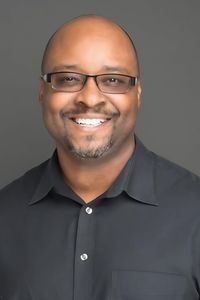
Rodney LaBruce was born in Dallas, Texas. He served in the U.S. Army. He earned a high school diploma from Justin F. Kimball High School and a bachelor's degree from DeVry University. His career experience includes working as a financial advisor.[1]
- Bachelor's:
- DeVry University
- High school:
- Justin F. Kimball High School
Campaign money
- Raised
- $6K
- From individuals
- $1K
- From PACs & party
- $0
- Own money
- —
FEC filings through June 30, 2026.
View on FEC.gov(opens in new tab)In their own words
Who are you? Tell us about yourself.
I am Rodney LaBruce, a dedicated public servant and community advocate with deep roots in Texas’s 30th Congressional District. I was born and raised in the Red Bird area and have spent my life in service to others through ministry and community initiatives. I proudly call Cedar Hill my home, where I live with my wife and two sons. My faith and my experiences have shaped my commitment to ending poverty, empowering communities, and ensuring every voice in our district is heard.
As a candidate for Congress, I bring a fresh perspective rooted in service, an understanding of the challenges our communities face, and a clear vision for a brighter, more equitable future for District 30.
Please list below 3 key messages of your campaign. What are the main points you want voters to remember about your goals for your time in office?
Poverty is a challenge that affects all of us, directly or indirectly. It’s not just an economic issue but one that impacts public safety, education, and healthcare access. My campaign is focused on identifying and addressing the root causes of poverty in District 30, from housing insecurity and job shortages to inequities in education and healthcare. By implementing practical, community-driven solutions, we can create pathways to economic stability and opportunity for all. Ending poverty isn’t just about helping individuals—it’s about strengthening our entire community and building a district where everyone can thrive.In an era where trust in leadership is at an all-time low, my campaign is built on the values of truth and transparency. I believe voters deserve honesty, clarity, and accountability from their elected representatives. That means making decisions that prioritize people over politics, communicating openly about challenges and solutions, and ensuring that no voice in our district is left unheard. My commitment to transparency extends to every aspect of my leadership, from campaign promises to policy implementation. Together, we can rebuild trust in government and focus on meaningful progress for District 30.True progress requires collaboration, not division. My campaign is dedicated to building coalitions across District 30 that bring together advocates, activists, faith-based organizations, small businesses, nonprofits, and other community leaders. By working together, we can create innovative, community-focused solutions to the challenges we face. These coalitions will not only advocate for policy changes but also actively implement programs to support affordable housing, job training, senior care, and more. My vision is to unite the district under a shared purpose—creating a stronger, more resilient community for all.
What areas of public policy are you personally passionate about?
Ending poverty is at the core of my campaign, as it impacts every aspect of our society. I am committed to advancing policies that provide affordable housing, job opportunities, and equitable access to resources. Criminal justice reform is key to addressing mass incarceration, reducing its disproportionate impact on minorities, and prioritizing rehabilitation. In healthcare, I support expanding Medicaid, improving mental health access, and reducing barriers to care. I also believe education is the foundation of a strong society and am dedicated to ensuring every child receives a quality education and adults have access to workforce development. Together, we can create a more equitable and thriving community.
Is there a book, essay, film, or something else you would recommend to someone who wants to understand your political philosophy?
Yes, I would recommend Poverty, by America by Matthew Desmond. This book deeply explores the systemic roots of poverty in our country and challenges us to confront how policies, institutions, and societal choices perpetuate economic disparities.
What characteristics or principles are most important for an elected official?
An elected official must embody integrity, accountability, and a deep commitment to service. Integrity is the foundation of trust. Without it, there can be no meaningful connection between leaders and the people they serve. Integrity means not only acting honestly and upholding promises but also standing firm in one’s principles, even when it’s inconvenient or politically risky. It requires putting the needs of the people above personal or political gain, ensuring that decisions are guided by what is right and just.
Accountability is another critical characteristic. Elected officials must remain transparent about their decisions and actions, openly communicating with constituents about the reasoning behind policies and their potential impacts. They should actively seek feedback from the people they represent, listening with empathy and a willingness to learn. Accountability also means taking responsibility for outcomes, whether they are successes or failures, and demonstrating a commitment to continuous improvement.
A deep commitment to service distinguishes a good leader from a great one. True public service requires prioritizing the well-being of the community over personal ambition. This means championing policies that improve lives, advocating for the underserved, and striving to create equitable opportunities for all. A servant leader is someone who works tirelessly to uplift others and leaves a legacy of meaningful progress.
Beyond these foundational qualities, elected officials must possess courage, wisdom, and humility. Courage is necessary to challenge the status quo, take bold stances, and work across party lines to achieve real solutions. Wisdom allows leaders to consider diverse perspectives, weigh the long-term consequences of their actions, and make thoughtful decisions in the best interest of the community. Humility is essential to recognize when mistakes are made, admit when they are wrong, and adjust course accordingly.
What qualities do you possess that you believe would make you a successful officeholder?
First, my humility. I know it might sound unusual to say that about myself, but I truly don’t need to be the most important or smartest person in the room. I believe leadership is not about knowing everything—it’s about listening, learning, and working together to find solutions. I don’t have all the answers, but I have the commitment and determination to find what’s needed to make a difference.
My mother taught me to be relentless in the face of struggle, and that lesson has stayed with me my entire life. I never give up. Where there is a will, there is a way—it may be hidden, but it’s always there. That resilience, coupled with my humility, allows me to approach every challenge with focus and determination, knowing that success often comes through persistence and teamwork.
These qualities—humility, relentless determination, and the willingness to seek out and implement solutions—are what I believe will make me an effective and successful officeholder. They allow me to focus on the needs of the people I serve, not on personal recognition or accolades. It’s not about me—it’s about getting the work done and making a difference.
What do you believe are the core responsibilities for someone elected to this office?
The core responsibilities of someone elected to Congress are to ensure the safety of citizens, advocate for equitable treatment, and secure federal funding for the district.
Ensuring Safety: The safety and security of citizens must always be a top priority. This includes advocating for public safety measures, supporting effective policies to reduce crime, and ensuring emergency preparedness and disaster response systems are robust and reliable. It also means working to strengthen national security while balancing civil liberties.
Promoting Equity: Equitable treatment is essential for fostering a society where everyone has the opportunity to thrive. This requires addressing systemic inequalities, protecting civil rights, and ensuring access to education, healthcare, housing, and other basic necessities. Congress must craft policies that bridge gaps and empower underserved communities, ensuring all citizens are treated with dignity and respect.
Delivering Federal Funding: Bringing federal resources to the district is critical for addressing local needs and fostering growth. This includes securing funding for infrastructure improvements, education initiatives, healthcare facilities, housing projects, and workforce development programs. Effective stewardship of these funds ensures they are used responsibly and make a tangible impact in the district.
In fulfilling these responsibilities, a member of Congress must also listen to constituents, advocate for their needs, and collaborate across party lines to deliver meaningful results that improve lives and strengthen the community.
What was your very first job? How long did you have it?
My very first job was as a stocker at Page Drugs during my junior year of high school. It was convenient because I lived in a house near the store—close enough that I could jump the fence in my backyard and be at work in no time. I worked there for about a year, and it was my first real experience interacting directly with customers.
One day, a customer asked me where a product was. Instead of just pointing or explaining, I stopped what I was doing and walked her to it. She later told my supervisor how helpful I had been. I received a regional award for customer service, presented at a ceremony on a Saturday morning. As a high schooler, I wasn’t thrilled about waking up early on my day off, but I’ll admit, I did enjoy the $50 cash prize that came with it.
That experience taught me the value of going the extra mile and putting people first—lessons I carry with me to this day. It showed me how small acts of kindness and attention to detail can leave a lasting impression, something I strive to replicate in all areas of my life.
What qualities does the U.S. House of Representatives possess that makes it unique as an institution?
The U.S. House of Representatives is unique as an institution because it is designed to be the most direct representation of the people in the federal government. It was established to reflect the diversity of America, serving as a body where everyday citizens—not just those born into privilege—can bring their voices to the halls of power. The House was never meant to be an exclusive club reserved for the elite or accessible only to those with the right connections or backgrounds. Instead, it is a space where individuals from all walks of life—teachers, small business owners, community leaders, and more—come together to represent their constituents.
This inclusivity ensures that the policies crafted in the House address the real needs and concerns of the people. By having representatives who reflect the challenges, struggles, and triumphs of everyday Americans, the House remains grounded in its mission to serve the public good, fostering a government that truly belongs to and works for the people.
Do you believe that it's beneficial for representatives to have previous experience in government or politics?
I believe that while previous experience in government or politics can be beneficial, it is not a requirement for being an effective representative. What matters most is a genuine commitment to serving the people, a clear understanding of the challenges they face, and a willingness to work tirelessly to address those challenges. In many cases, individuals who have spent their lives outside of traditional political circles bring a fresh perspective, grounded in real-world experience, that can be just as valuable—if not more so—than a career in politics.
Our government was designed to be by the people and for the people, which means representatives should come from all walks of life, not just from those who have spent years navigating political systems. Teachers, small business owners, community advocates, faith leaders—these are individuals who understand the needs of everyday Americans because they’ve lived those experiences. They bring a practical, grounded approach to policymaking that reflects the realities of their constituents.
For me personally, my years of service as a pastor and community advocate have given me a unique lens through which I view the issues facing our district. While I may not have decades of political experience, I have spent my life listening to, standing with, and working for people from all walks of life. That commitment to service is what drives me to make meaningful change, and I believe it’s what makes a great representative—not just a résumé of political positions.
What do you perceive to be the United States' greatest challenges as a nation over the next decade?
I believe the United States faces many challenges, but addressing economic inequality, the growing wealth gap, and poverty is key to solving many, if not all, of them. The wealth gap continues to widen, concentrating resources and opportunities in the hands of a few while millions struggle to meet basic needs. This imbalance not only deepens social divisions but also stifles economic growth and innovation by leaving too many people behind.
Poverty is a root issue that affects nearly every aspect of our society. When individuals and families are trapped in poverty, it creates barriers to quality education, affordable healthcare, and stable housing. These systemic challenges ripple outward, contributing to higher crime rates, public health crises, and weakened communities. Tackling economic inequality would empower individuals, strengthen families, and rebuild communities, creating a foundation for addressing other pressing national challenges.
Closing the wealth gap and lifting people out of poverty is not just a moral imperative—it’s a practical solution that benefits everyone. Reducing inequality would lower crime, improve public health, and foster greater economic stability and growth. It would also ensure that every American has a fair chance to contribute to and benefit from the nation’s success.
By focusing on economic inequality and poverty, we can address the systemic challenges that hold our country back and pave the way for a more equitable, just, and prosperous future for all.
Do you believe that two years is the right term length for representatives?
believe that in our current system of electing officials, the two-year term length for representatives is not ideal. While the intention behind a short term is to keep representatives accountable and closely tied to their constituents, the reality is that the constant cycle of campaigning leaves little room for meaningful legislative work. Representatives often find themselves spending more time raising funds and preparing for the next election than focusing on long-term policy solutions that could benefit their districts.
A four-year term would strike a better balance, allowing representatives to focus more on governing and less on the demands of perpetual campaigning. It would provide the time needed to address complex issues, build bipartisan relationships, and see through policies that require sustained effort to implement effectively. At the same time, it would still ensure regular accountability to voters, as four years is not so long as to lose touch with the electorate.
Ultimately, the goal should be to create a system where representatives can prioritize the needs of their constituents over the pressures of constant reelection campaigns. A longer term would help achieve that, fostering more thoughtful and effective governance while still upholding democratic accountability.
Do you believe that compromise is necessary or desirable for policymaking?
Yes, I believe compromise is both necessary and desirable for effective policymaking. In a nation as diverse as the United States, with a wide range of perspectives, needs, and interests, compromise is essential to creating policies that work for the majority. It is a cornerstone of democracy, ensuring that no single viewpoint dominates while fostering collaboration and unity.
Compromise does not mean abandoning principles or values. Instead, it is about finding common ground and building solutions that balance competing priorities. It allows policymakers to address urgent issues pragmatically while respecting differing perspectives. True compromise requires leaders to listen actively, negotiate in good faith, and prioritize the greater good over partisan victories.
When done well, compromise leads to sustainable and impactful policies because they reflect input from across the political spectrum. It builds trust between opposing sides and demonstrates that progress is possible, even in the face of disagreement. While compromise can be challenging, it is a critical tool for breaking gridlock, achieving meaningful results, and ensuring that government serves all people—not just a select few.
The Constitution says that all bills for raising revenue must originate in the House. What role would this power play in your priorities if elected?
The House’s role in originating revenue bills is crucial because it allows us to shape how government funds are used to meet the needs of the people. While most people think taxes are the only way the government pays for programs, the truth is that the federal government has the unique ability to create money for what our country needs—whether that’s better healthcare, affordable housing, or good-paying jobs.
If elected, I would prioritize policies that ensure the wealthiest individuals and large corporations contribute their fair share—not because the government “needs” their money, but because it’s about fairness and reducing inequality. At the same time, I would focus on using our resources to invest in programs that directly improve the lives of everyday people, like fixing our infrastructure, creating jobs, and making education accessible.
This approach ensures that we use the power of the House to help our communities thrive while keeping inflation in check and building a stronger, more just economy for everyone. It’s about making the government work for the people, not the other way around.
How should the U.S. House use its investigative powers?
The U.S. House’s investigative powers must be used judiciously and transparently, with a clear focus on finding facts and delivering justice—not scoring political points. These investigations should be driven by the pursuit of truth and accountability, ensuring they serve the American people and strengthen our democracy. When used responsibly, these powers can root out corruption, uncover systemic issues, and hold individuals and institutions accountable, all while maintaining public trust in the integrity of our government.
On the 2026 ballot
Links
Compiled from the candidate’s published profile as of September 30, 2026 and FEC filings.
Source(opens in new tab)