
Background
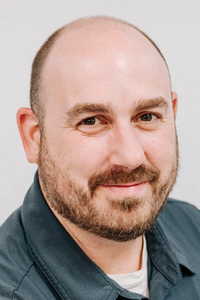
Paul Saulsbury was born in Kennewick, Washington. He graduated from Palmer High School. He earned a bachelor's degree from California State University, Chico in 2016 and a graduate degree from Simpson University in 2024. His career experience includes working as a mental health professional.[1]
- Graduate:
- Simpson University, 2024
- Bachelor's:
- California State University, Chico, 2016
- High school:
- Palmer High School
Campaign money
- Raised
- —
- From individuals
- $0
- From PACs & party
- $0
- Own money
- —
FEC filings.
View on FEC.gov(opens in new tab)In their own words
Who are you? Tell us about yourself.
I’m Paul Saulsbury — a mobile crisis clinician, former EMT, former flight attendant, small business owner, and father running for Congress in California’s 2nd District.
I’ve spent much of my life serving people during some of the hardest moments of their lives — in emergency response, mental health crises, and community service. Those experiences taught me how to stay calm under pressure, listen to people, and focus on practical solutions instead of political theater.
I’m running because too many Americans feel exhausted by division, rising costs, broken systems, and leaders who stop listening once they get elected. I believe we need more transparency, accountability, and common-sense leadership focused on the people we serve.
My campaign is about bringing communities together from the Redwoods to the Ranchlands and focusing on solutions that strengthen families, support small businesses, improve healthcare access, and restore trust in government.
Please list below 3 key messages of your campaign. What are the main points you want voters to remember about your goals for your time in office?
Communities cannot thrive if families do not feel safe. Across California, people are frustrated by rising crime, addiction, homelessness, weak leadership, and systems that too often respond only after a crisis occurs.
As a mobile crisis clinician, former EMT, and emergency responder, I’ve worked directly on the frontlines of these challenges. I understand that real public safety means supporting law enforcement, strengthening emergency response systems, improving mental health crisis intervention, securing communities, and addressing problems before they escalate into tragedy.
The federal government should focus on restoring stability, supporting local communities, protecting constitutional freedoms, and helping Americans feel safe.Healthcare access matters only if families can actually get care when they need it. Across rural Northern California, too many people wait months for appointments, drive hours for treatment, or struggle to find mental health support before crises occur.
As a mobile crisis clinician, I’ve seen the consequences of broken systems firsthand. We need practical solutions that expand local healthcare access, support rural providers, improve mental health and addiction treatment, and reduce costs and delays. We should also lower burdensome co-pays so families can seek care early before problems become emergencies.
Healthcare should focus on prevention, accountability, and helping communities stay healthy — not expanding systems that keep failingFamilies across California are working harder than ever, yet many still feel like they are falling behind. Rising gas prices, housing costs, groceries, insurance, and utility bills are putting enormous pressure on working families, seniors, and small businesses.
I believe government should help Americans keep more of what they earn by reducing unnecessary regulations, supporting energy independence, strengthening local economies, and restoring responsible spending. I also support temporarily suspending the federal gas and diesel tax to provide relief for families, commuters, farmers, truck drivers, and small businesses struggling with rising transportation costs.
What areas of public policy are you personally passionate about?
I am passionate about policies that restore stability, personal responsibility, and opportunity for working families. Through my work as a mobile crisis clinician, former EMT, and emergency responder, I’ve seen how rising costs, addiction, untreated mental health issues, crime, and broken systems push families into crisis.
I believe government should focus on strengthening communities before problems become tragedies — supporting law enforcement and first responders, improving rural healthcare access, supporting energy independence, reducing unnecessary spending and regulations, and helping Americans keep more of what they earn.
I also believe trust in government must be earned through transparency, and accountability.
Who do you look up to? Whose example would you like to follow, and why?
I look up to leaders who remain calm under pressure, put service before ego, and are willing to make difficult decisions based on principle rather than politics. I respect leaders such as Ronald Reagan for his optimism and communication, Abraham Lincoln for his humility and ability to unite people during division, and local first responders, military members, healthcare workers, and community leaders who quietly serve others every day without seeking recognition.
Their examples remind me that leadership is ultimately about responsibility, service, and earning the trust of the people you represent.
What characteristics or principles are most important for an elected official?
The most important qualities for an elected official are integrity, accountability, humility, and the ability to listen. Leaders should be honest with the public, willing to stand by their principles, and focused on serving the people instead of political interests or personal gain.
I also believe strong leadership requires calm decision-making, especially during difficult moments. In my work in emergency response and mental health crisis intervention, I’ve learned that leadership is not about creating more chaos — it’s about staying grounded, solving problems, and helping people feel heard and protected.
What do you believe are the core responsibilities for someone elected to this office?
I believe the core responsibility of someone elected to Congress is to represent the people honestly and responsibly. That means protecting constitutional freedoms, strengthening the economy, supporting public safety, improving access to healthcare, and ensuring taxpayer dollars are spent responsibly.
An elected official should listen to the concerns of their communities, remain accessible to the people they serve, and focus on practical solutions instead of political division. I also believe leaders should work to strengthen local communities and help create long-term stability and opportunity for future generations.
What legacy would you like to leave?
I would like to leave a legacy of practical leadership that helped bring people together during a time of growing division and distrust. I hope people remember me as someone who listened, stayed grounded under pressure, and focused on solving real problems instead of chasing political attention.
I want to help strengthen communities, improve access to healthcare and mental health services, support working families, and restore trust that government can still serve the people honestly and responsibly.
What was your very first job? How long did you have it?
My first jobs were working on a farm, where I learned the value of hard work at an early age. I spent time picking rocks out of fields, mucking stalls, bucking hay, and helping mend fences. Those experiences taught me responsibility, discipline, and respect for the people who work long hours to support their families and keep rural communities strong.
That work ethic stayed with me throughout my career in emergency response, mental health, aviation, and community service, and it continues to shape how I approach leadership today. I worked on the farm from Age 8-18.
What is something that has been a struggle in your life?
One struggle in my life has been seeing how many hardworking families feel overwhelmed by rising costs, broken systems, and crises that often could have been prevented earlier. Through my work in emergency response and mental health, I’ve seen people during some of the most difficult moments of their lives, and those experiences have reinforced the importance of resilience, personal responsibility, and strong communities.
What qualities does the U.S. House of Representatives possess that makes it unique as an institution?
The U.S. House of Representatives is unique because it is designed to remain closely connected to the people. Members represent smaller districts and serve shorter terms, which helps keep representatives accountable to the communities they serve and responsive to the everyday concerns of working Americans.
The House also plays a critical role in shaping national policy, controlling spending, and providing oversight of the federal government. At its best, it serves as the voice of the people — balancing differing viewpoints while working toward practical solutions that strengthen the country and protect constitutional freedoms.
What do you perceive to be the United States' greatest challenges as a nation over the next decade?
I believe one of the greatest challenges facing the United States over the next decade is restoring stability, trust, and unity while addressing rising costs, national debt, healthcare access, public safety, and growing political division. Americans are losing confidence in many of our institutions, and too many families feel like they are working harder while falling further behind. We need practical leadership focused on strengthening communities, supporting economic opportunity, securing the nation, and restoring trust in government.
Do you believe that compromise is necessary or desirable for policymaking?
Compromise is necessary in policymaking, but it should never require abandoning core principles or the values of the people you represent. Effective leadership means being willing to listen, find common ground where possible, and work toward practical solutions that benefit the country rather than simply protecting political interests. I believe Americans are tired of constant division and want leaders who can disagree respectfully while still moving the country forward. Win-win Scenarios do exist if we look for them.
What organizations or individuals have endorsed your campaign?
Sonoma County GOP, Elizabeth Barcohana's Lady with a Brain Voter Guide and Liberty For All, Conservative_josh231 on X.
What was the first historical event that happened in your lifetime that you remember?
One of the first major historical events I remember was the fall of the Berlin Wall. Even as a young person, it stood out as a powerful moment showing the importance of freedom, unity, and hope. Watching people celebrate the end of division and oppression left a lasting impression on me and reinforced my belief that strong leadership and perseverance can change the course of history.
Who are you? Tell us about yourself.
I am a passionate person who seeks the justice and fairness of the overall benefit of those around me regardless of lifestyle, gender or position. I believe every person is a human being who deserves to be loved, to feel a sense of belonging and fell significant. My world-view experience from Africa, Brazil and Guatemala have shaped who I am today. I am fiscally conservative in my spending and nature but progressively forward thinking in what is best as a whole, not just one people group over another.
Please list below 3 key messages of your campaign. What are the main points you want voters to remember about your goals for your time in office?
People vote me in just as much as people vote me out. I owe my entire service as representative to the needs of the peopleTeamwork makes the dreamwork!We together is greater than I alone.
What areas of public policy are you personally passionate about?
Sustainable education, higher minimum wage with a larger gap to cost of living. Forestation, water protection, Lower gas tax.
On the 2026 ballot
Links
Compiled from the candidate’s published profile as of September 30, 2026 and FEC filings.
Source(opens in new tab)