
Background
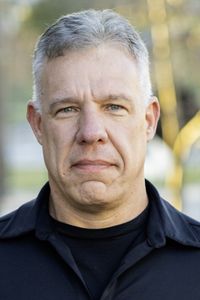
Paul Riley was born in Norwich, New York. He served in the U.S. Army. He earned a bachelor's degree from Florida State University in 1989. His career experience includes working as a contractor. Riley has been affiliated with Veterans of Foreign Wars, American Legion, and Sons of the Revolution.[1]
- Bachelor's:
- Florida State University, 1989
Campaign money
- Raised
- $3K
- From individuals
- $3K
- From PACs & party
- $0
- Own money
- —
FEC filings through April 17, 2026.
View on FEC.gov(opens in new tab)In their own words
Who are you? Tell us about yourself.
I am a retired U.S. Army veteran with over 20 years of service as a military intelligence officer, including a combat tour in Iraq.
After serving at duty stations around the world, my wife Jani and our family settled in Crozet in 2010, where we raised our three children: McKenna, Nathaniel, and Keegan.
From 2010 to 2023, I worked at the National Ground Intelligence Center. Today, i continue my national service as a defense contractor and intelligence professional, advising on critical security issues facing the United States.
Born in Norwich, New York, i graduated from Florida State University in 1989. My wife and I have been married for over 34 years.
I enjoy the outdoors—hiking, fishing, hunting, and traveling—and remains deeply committed to my family and community.
Please list below 3 key messages of your campaign. What are the main points you want voters to remember about your goals for your time in office?
Families across our district are being hit from every direction—grocery bills, gas, utilities, housing, and healthcare costs keep climbing while paychecks fall behind. A big part of the problem is Washington’s short-sighted trade policies. Tariffs meant to look tough are actually hidden taxes that raise prices on everything from food and clothing to the tools our small businesses rely on. When you add tariffs on top of already rising costs, it’s families, not politicians, who pay the price.
I believe we need a smarter approach: reduce tariffs that punish consumers, cut wasteful government spending, and focus on policies that bring supply chains closer to home and create good-paying jobs right here. Affordability should be the foundation ofOur tax system should be simple, fair, and work for working families—not just the well-connected. Too many middle-class families and small businesses are carrying the load while large corporations and special interests find loopholes to avoid paying their share. Here in our district, that means family farms, small manufacturers, and local shops are stretched thin while the biggest corporations exploit tax breaks and send profits overseas.
I believe we need a tax system that rewards hard work, not wealth hoarding. That means lowering the burden on working families, protecting retirement savings, and ensuring big corporations and the ultra-wealthy play by the same rules as everyone else. Fair and equitable taxes aren’t about taking more—it’sIn Virginia’s 5th District, over 48,000 veterans call this community home. They deserve more than empty promises—they deserve action. Yet, Washington continues to push cuts to the very services our veterans rely on, from healthcare to mental health support to timely claims processing. That is unacceptable.
As your representative, I will fight to strengthen the Department of Veterans Affairs, not weaken it. That means fully funding local VA clinics, expanding access to care, and cutting through the red tape that keeps veterans from receiving the benefits they’ve earned. It also means protecting the hard-earned rights of our servicemembers and ensuring they have opportunities for good jobs, housing, and education when they return home.
What areas of public policy are you personally passionate about?
I am deeply committed to strengthening agriculture, ensuring fair and responsible tax reform, and protecting the rights and benefits of our veterans. Agriculture is the backbone of our local economy, and I will always stand with the farmers who feed our communities. I believe our tax system should be fair, simple, and work for families and small businesses—not against them. And with more than 48,000 veterans living in our district, I will fight tirelessly to safeguard the care and services they have earned through their service. These priorities reflect not only my values, but the values of our district.
Who do you look up to? Whose example would you like to follow, and why?
I look up to Theodore Roosevelt for his farsighted vision in protecting our environment and conserving natural resources—he understood the importance of stewardship long before it was widely recognized. I also admire Barack Obama for his mental toughness, resilience, and ability to achieve success under intense pressure. Both exemplify leadership that balances principle, courage, and the ability to get things done—qualities I strive to emulate in my own public service.
What characteristics or principles are most important for an elected official?
The most important characteristics for an elected official are integrity and moral courage. Voters deserve representatives who are honest, transparent, and willing to stand firm in their values, even when it’s not politically convenient. Integrity means doing what’s right, not what’s easy. Moral courage means having the backbone to oppose bad policies, regardless of party pressure or special interests. An elected official should never be a rubber stamp—they should be an advocate for the people they represent, asking tough questions and making decisions that reflect the best interests of their district. At the end of the day, leadership is about service, accountability, and having the courage to put principles ahead of politics.
What do you believe are the core responsibilities for someone elected to this office?
The core responsibilities of someone elected to this office are first and foremost to represent the people—not a party, not special interests, but the families, workers, and communities who live here. That means listening to constituents, understanding their concerns, and making decisions that reflect their needs and priorities. It also means safeguarding taxpayer dollars, ensuring accountability in government, and making sure that laws and policies are fair, effective, and transparent.
Equally important is the responsibility to exercise oversight—to ask hard questions, challenge bad policies, and make sure government is working the way it should. An elected official must also be a bridge builder, working across the aisle when possible to find real solutions while standing firm on core values.
At its heart, this office is about service. It’s about protecting freedoms, improving quality of life, and ensuring that future generations inherit a stronger, safer, and more prosperous America.
What legacy would you like to leave?
I want to leave a legacy of tangible results for the people I serve—stronger communities, opportunities for families to thrive, and a government that is accountable, transparent, and focused on the needs of its citizens. I hope to be remembered as someone who listened, acted with integrity, and fought to make life better for working families, veterans, and rural communities, ensuring that my service left a lasting, positive impact.
What is the first historical event that happened in your lifetime that you remember? How old were you at the time?
The first historical event I clearly remember is the fall of Saigon. I was nine years old at the time, and the images and stories of that moment left a lasting impression on me. It shaped my understanding of global events and the impact of leadership decisions on people’s lives.
What was your very first job? How long did you have it?
My very first job was on a local dairy farm, where I earned $6 for every milking. In the summertime, I also worked bailing hay, making $2 an hour. It was tough, honest work that taught me the value of hard work, responsibility, and earning a dollar the old-fashioned way.
What is your favorite book? Why?
The Sun Also Rises is one of my favorite books because of its raw, honest portrayal of the post-World War I generation and their search for meaning in a world forever changed. Ernest Hemingway’s spare, direct prose captures the aimlessness, desires, and disillusionment of the “Lost Generation” with striking clarity. I love the complex characters, especially Jake Barnes and Lady Brett Ashley, whose struggles with love, identity, and societal expectations feel timeless. The novel’s vivid depiction of bullfighting, travel, and Parisian and Spanish life brings the story to life, while its themes of resilience, longing, and human frailty resonate deeply with me. It’s a book that combines adventure, introspection, and emotion in a way that continues to leave a lasting impression every time I read it.
If you could be any fictional character, who would you want to be?
If I could be any fictional character, I would choose James Herriot. His stories captivated me and inspired my dream of becoming a large animal veterinarian. I admired his compassion, patience, and dedication to both animals and the people who cared for them—qualities that continue to inspire how I approach challenges and serve others in my own life.
What is something that has been a struggle in your life?
One of the struggles I’ve faced in my life has been overcoming the challenges of starting out with limited resources and opportunities. Growing up in a small rural community, I learned early the value of hard work and perseverance. Whether it was putting myself through college or navigating the demands of military service, these challenges taught me resilience, discipline, and the importance of never giving up—lessons that continue to guide me today.
What qualities does the U.S. House of Representatives possess that makes it unique as an institution?
The U.S. House of Representatives is unique because it is the chamber closest to the people, with two-year terms that ensure members remain directly accountable to their constituents. Its size and diversity allow for broad representation across the country, reflecting the many perspectives and needs of Americans. The House also holds distinct powers—like originating revenue bills and initiating impeachment—that make it central to maintaining accountability and ensuring government serves the people.
Do you believe that it's beneficial for representatives to have previous experience in government or politics?
No, I do not believe previous experience in government or politics is required to be an effective representative. What matters most is understanding the needs of your community, having the courage to stand up for what’s right, and being willing to work hard for the people you serve. Fresh perspectives can bring innovative solutions, accountability, and a focus on real-world results rather than political gamesmanship. Ultimately, dedication, integrity, and a commitment to public service are far more important than a résumé in politics.
What do you perceive to be the United States' greatest challenges as a nation over the next decade?
Over the next decade, I see several critical challenges facing the United States. First and foremost is national security. We must modernize our military, strengthen intelligence capabilities, and protect our nation from evolving threats—both traditional and cyber-based—while remaining steadfast allies with those who share our values.
Second, our infrastructure requires urgent attention. Roads, bridges, and public transit systems are aging, and investments in modern infrastructure are essential to keep our economy competitive. This includes expanding high-speed rail to connect communities efficiently, and broadband access to rural and underserved areas so businesses, schools, and families can thrive in a digital economy.
Finally, all these efforts must support economic growth and opportunity. By modernizing infrastructure and investing in technology, we create jobs, empower local economies, and ensure every American has a chance to succeed. Addressing these challenges thoughtfully and decisively will determine whether the U.S. remains secure, competitive, and prosperous for generations to come.
Do you believe that two years is the right term length for representatives?
Yes, I believe two years is the right term length for representatives. Short terms keep members closely accountable to their constituents and ensure they remain in touch with the needs and priorities of the people they serve. It encourages active engagement, responsiveness, and a focus on results rather than becoming too comfortable in office. While challenging, this frequent election cycle reinforces the principle that public service is a responsibility, not a lifetime career.
What are your thoughts on term limits?
Yes, I strongly support term limits. We were never meant to have career politicians sitting in Washington for decades, disconnected from the people they represent. In our district, too many decisions that affect farmers, small businesses, and working families are made by officials who have been in office so long that they’ve lost touch with our community’s daily struggles. Our Founding Fathers envisioned public service as a duty—something citizens would step into for a time, then return to their communities and livelihoods. Term limits help keep fresh ideas flowing, prevent entrenched power, and ensure elected officials remain accountable to the people they serve. It’s time to end politics as a lifelong career and restore citizen leadership that reflects the needs of our neighbors.
Is there a particular representative, past or present, whom you want to model yourself after?
I don’t necessarily model myself after any one representative, but I greatly admire Abigail Spanberger for her tenacity and her ability to win in a challenging district while consistently passing laws that truly benefited her constituents. What I respect most is her focus on results over politics—ensuring that the work she did in Washington had a meaningful, positive impact on the people she represented. That combination of determination, effectiveness, and commitment to constituents is something I strive to emulate in my own service.
Both sitting representatives and candidates for office hear many personal stories from the residents of their district. Is there a story that you’ve heard that you found particularly touching, memorable, or impactful?
While visiting Lunenburg County, I heard from residents about the lack of opportunities in their community. They spoke about how limited infrastructure makes it difficult to attract new businesses and create good-paying jobs. As a result, too many young people are leaving to find opportunities elsewhere—and many never return. This isn’t just a challenge in Lunenburg; it’s a familiar theme across many rural parts of Virginia’s 5th District.
That story stuck with me because it goes to the heart of why I’m running. Our rural communities have been overlooked for too long, and the consequences are real: shrinking populations, struggling schools, and families forced apart by economic necessity. If elected, my priority will be to fight for the kinds of investments—like broadband, modern infrastructure, and workforce development—that can attract businesses, create opportunity, and give our young people a reason to stay, build their futures, and raise their families right here at home.
Do you believe that compromise is necessary or desirable for policymaking?
Yes, compromise is not only desirable—it is absolutely essential for effective policymaking. Our democracy works best when elected officials listen to all perspectives, seek common ground, and find solutions that reflect the needs of the majority, not just a single party or interest group. Without compromise, legislation becomes one-sided, often serving political agendas rather than the real needs of everyday Americans.
Compromise does not mean abandoning principles or values. It means recognizing that complex problems—whether it’s healthcare, the economy, national security, or infrastructure—require collaboration and nuanced solutions. By working across the aisle, policymakers can craft laws that are balanced, sustainable, and widely supported, ensuring that decisions serve the people in practical, meaningful ways.
In today’s polarized political climate, compromise is even more critical. It helps prevent gridlock, builds trust between parties, and demonstrates to voters that their representatives are capable of governing responsibly. Ultimately, compromise is the mechanism that allows our government to function effectively while remaining true to the core democratic principle: that government exists to serve the people, not ideology.
The Constitution says that all bills for raising revenue must originate in the House. What role would this power play in your priorities if elected?
The Constitution requires that all bills for raising revenue originate in the House because the House is meant to be closest to the people, with members directly accountable to their constituents every two years. For me, that means protecting the taxpayers of Virginia’s 5th District and ensuring that their hard-earned dollars are spent wisely. If elected, I would use this responsibility to push for policies that strengthen our local economy—such as investing in broadband expansion so our rural communities aren’t left behind, and supporting infrastructure improvements that make it easier for farmers, small businesses, and families to thrive. I would oppose reckless spending or tax increases that place an unfair burden on working families and small businesses. At its core, this constitutional role is about ensuring that the people—not Washington insiders—set the priorities for how government raises and spends money.
How should the U.S. House use its investigative powers?
The House’s investigative powers should be used carefully and judicially—focused on clear violations of the Constitution and the law. No one, regardless of position or party, is above the law. These powers are not meant for political theater but for accountability, transparency, and protecting the integrity of our government. By using them responsibly, we can restore public trust and ensure that those who break the law or abuse their office are held to account.
What is an accomplishment that you are proud of?
One of my proudest accomplishments is seeing my children grow into responsible, compassionate members of society. Watching them develop their own values, work ethic, and sense of purpose has been incredibly rewarding, and it’s a reminder of the impact that guidance, support, and example can have on the next generation.
What role should the United States government have in the development or use of artificial intelligence?
The government has a critical role to play in the development and use of artificial intelligence. First and foremost, it must ensure there are laws and regulations in place to prevent abuse, particularly against Americans, and to protect privacy, civil liberties, and personal freedoms. At the same time, the United States must continue to invest in AI research and innovation to remain competitive in an ever-changing world. AI will shape the future of our economy, our society, and our national defense, and we cannot afford to fall behind. By striking the right balance between oversight and innovation, we can harness the benefits of AI while safeguarding our citizens and maintaining our strength on the global stage.
What legislation would you enact related to election administration in the United States?
One of the most important steps we can take to restore faith in our democracy is to eliminate partisan gerrymandering. I would support legislation that establishes a federal requirement for nonpartisan, independent commissions to draw congressional district maps. When politicians control the process, we end up with districts that protect incumbents or one party, instead of fairly representing communities. By making redistricting transparent, data-driven, and nonpartisan, we can ensure that voters are choosing their representatives—not the other way around. This reform would strengthen accountability, increase competition, and better reflect the will of the people in every district.
Who are you? Tell us about yourself.
Paul Riley is currently an Intelligence Solutions Lead with a defense contractor and lives in Crozet, Virginia. He was born in Norwich, New York, where he lived most of his childhood before his family moved to Florida. He worked his way through and graduated from Florida State University in 1989. Riley served in the United States Army in the military intelligence field both as an enlisted soldier and as an officer from 1989 until his retirement in 2010. He has been married to his wife, Jani, for 32 years, and has three children: McKenna, Nathaniel, and Keegan. He is an avid outdoor enthusiast and enjoys traveling, hiking, fishing, and hunting.
Please list below 3 key messages of your campaign. What are the main points you want voters to remember about your goals for your time in office?
I want to protect the constitutional rights of all Virginia's. This includes a women's right to choose her own health care, the right to responsibly bear arms and the right to privacy. I believe that women have the constitutional right to make their own choices about their bodies, without interference from government. I believe no government should have the power to determine any woman's most important decisions about her life. I will always vote to defend and uphold women's right to choose. I will oppose Republican attempts to continue eliminating choice in the states. I believe that a constitutional right applies to everyone regardless of the color of your skin, how much money you make, or what state you live in, and I will work to ensureAs a retired Army officer, I am a strong advocate for veterans. I am committed to working with members of both parties to hold VA accountable, pass meaningful legislative reforms, hold true to our country's steadfast commitment to take care of the men and women who served in uniform. We must work to improve veterans' access to health care, benefits, jobs, education, transportation, and housing. No veteran should fall through the cracks and no veteran should be homeless.I am a staunch advocate for Virginia's seniors. I will fight to fund and protect Medicare, Social Security, Meals on Wheels, Senior Corps, and other initiatives that help seniors lead healthy, independent lives. Social Security remains an essential benefit that seniors have paid into and earned over a lifetime of work. I oppose any attempt to privatize Social Security, and I will introduce common sense legislation to ensure it remains solvent for this generation of recipients and future generations. For too many folks, Social Security is their sole source of retirement income and to tray and take it away is a non-stater. Medicare ensures seniors have access to quality affordable health care, and I will oppose any attempt to cut Medicare or
What areas of public policy are you personally passionate about?
I believe public education is the great equalizer in this country. I understand how important access to a quality public education is to Virginia's rural way of life. We need to ensure that we take care of our children from pre-kindergarten all the way through university. I am committed to ensuring our schools in Virginia recruit and retain the highest quality teachers. Our teachers and coaches are the backbone of all schools in Virginia, and it is imperative that we take care of them as they take care of children. We need to strengthen teacher pay, provide free college tuition to all students who obtain a degree in education, and provide a one-time housing grant for teachers buying their first house. Our children deserve the highest quality education, and recruiting and retaining America's brightest teachers is the first step in a long journey. I will work with teachers, parents, school board members, and administrators to ensure policies coming out of Washington D.C. do not stifle creativity in the classroom. I will ensure that parents continue to have a voice in the education of their children. Also, I will continue to fight against efforts to privatize public education and divert critical resources away from schools with limited resources. Lastly, I believe education doesn't stop at high school, and I want to make it easier for Virginians to continue learning, whether at the trade school level or at a university. Every child has the right to attend higher education and th
What is the first historical event that happened in your lifetime that you remember? How old were you at the time?
End of the Vietnam War,
What was your very first job? How long did you have it?
Milked dairy cows for two years.
Campaign website
Riley’s campaign website stated the following:
Accountability and Transparency
I firmly believe in the necessity of legislation to increase transparency across the federal government. Transparency is not only a key element of accountability but also a fundamental principle that fosters openness and communication between the public and government. At every level of government, citizens have the right to know how their resources are used.
I am committed to holding government agencies accountable for the funds they receive and ensuring clear and accessible information about how public money is spent. Transparency is crucial for building trust between the government and the public it serves.
In the realm of elections, I advocate for increased transparency in campaigns. Putting an end to the influx of dark money that currently influences our elections is essential for maintaining the integrity of the democratic process. Additionally, I believe in curtailing the lobbying industry to prevent undue influence. Members of Congress should be prohibited from transitioning into lobbying roles until a sufficient period, such as five years, has passed since their time in office.
By championing transparency in government operations, campaign financing, and lobbying, I aim to contribute to a political landscape where the interests of the public are prioritized, and the democratic process is fortified.
Agriculture
Having grown up working on a dairy farm, I intimately understand the challenges that farmers face in staying relevant in today's fast-paced global economy. It's disheartening to witness conglomerates squeezing out family-owned farms, raising prices, and making record profits at the expense of hardworking farmers.
I am dedicated to putting a stop to this trend. We must open new markets for Virginia farms, promoting diversification and resilience in the agricultural sector. Additionally, I believe in the importance of enhancing market transparency and fostering healthy competition within the industry.
Fundamental to this effort is ensuring that our farmers receive fair prices for their goods and services. Family-owned farms are the backbone of our communities, and they deserve to be treated with respect and fairness. I am committed to advocating for policies that protect the interests of our farmers, promote sustainability, and create a level playing field in the agricultural marketplace.
By working towards these goals, I aim to contribute to the preservation and prosperity of family-owned farms, recognizing their vital role in our communities and the broader economy.
Women's Health
I firmly believe in the constitutional right of women to make their own choices about their bodies, free from government interference. No government should have the authority to dictate a woman's most personal decisions about her life. I am committed to upholding and defending women's right to choose, ensuring that they have the autonomy to make decisions that are best for their individual circumstances.
I will actively oppose any attempts, particularly those by Republicans, to limit or eliminate reproductive choice at the state level. It is crucial to safeguard and strengthen the rights that allow women to make decisions about their reproductive health without unnecessary barriers or restrictions.
Additionally, I am dedicated to working towards equal access to healthcare services for all women in America. It is essential that every woman has the resources and support necessary to make informed choices about her health and well-being. By advocating for and defending women's reproductive rights, I aim to contribute to a society that values individual autonomy, equality, and the well-being of
On the 2026 ballot
Links
Compiled from the candidate’s published profile as of September 30, 2026 and FEC filings.
Source(opens in new tab)