
Background
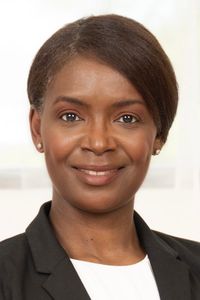
Pamela Denise Long was born in Mound Bayou, Mississippi. She graduated from Broad Street High School. She earned an associate degree from Lewis and Clark Community College in 1993, a bachelor's degree from the University of Missouri, Columbia in 1997, a graduate degree from the University of North Texas in 2015, and a Ph.D. from Grand Canyon University. Her career experience includes working as a consultant, project manager, columnist, media commentator, and political analyst.[1][2]
- Ph.D:
- Grand Canyon University
- Graduate:
- University of North Texas, 2015
- Associates:
- Lewis And Clark Community College, 1993
- Bachelor's:
- University of Missouri, Columbia, 1997
- High school:
- Broad Street High School
Campaign money
- Raised
- $25K
- From individuals
- $13K
- From PACs & party
- $0
- Own money
- —
FEC filings through April 9, 2026.
View on FEC.gov(opens in new tab)In their own words
Who are you? Tell us about yourself.
I'm a 7th+ generation American, mother, pet parent, occupational therapist, first-generation college graduate, political writer, member of a 150+ years farming family of Illinois, and Republican since the Obama era. I'm running for U.S. Senate because I grew tired of the voice of Illinoisans being ignored when it came to mass immigration. I’m done with partisanship, extremism, and inconsistent criminal justice. I think government needs to slow down and start listening again to The People. I’m running for Senate because activism on the bench needs to be held accountable. As senator, I will confirm judges that apply historical understanding and originalism to their analysis of law and their rulings/opinions about the cases before them. I never wanted to be a politician, but I’ve decided to become the type of public servant that I and The People have been asking for.
Please list below 3 key messages of your campaign. What are the main points you want voters to remember about your goals for your time in office?
Implement an Americans First native-born labor sourcing pipeline and talent management strategy. There are over 20 million Americans who are not participating in the labor force. Including seven million men of working age. In the late 1980’s, the U.S. government prepared The Workforce 2000: Work and Workers for the 21st Century report with the interests of businesses in mind. It identifies mass immigration (among other things) as a solution. I will investigate the hiring practices that keep Americans (especially men) out of the labor force. I will advocate for an executive order that ensures American workers are prioritized for hiring for new jobs. Immigrant labor is not bad nor unwelcomed. It should simply be a labor source of last resort.Public safety and consistent criminal justice. We often fail to strike a balance between compassion, personal responsibility, and ensuring that incarceration prepares people to become more productive members of society. I would fund local police while ensuring transparency, support victims’ rights, use trauma-informed policy (and habilitation/rehabilitation) to reduce repeat offenses, apply trauma-informed care to law enforcement officers to address vicarious trauma and burnout from day-to-day interactions on the job. Most officers who use excessive force are themselves repeat offenders and should be decertified. Fund community policing, crisis intervention teams, and increase community health workers for nonviolent calls/wellness checks.Investigate the Implementation of the National Environmental Policy Act. Senators (and executives) should submit their proposed major federal actions to full analysis under the National Environmental Policy Act (NEPA) of 1970. Doing so would identify in advance the potential impacts a proposed action could have on the human environment (social, cultural, economic, historical, etc.) and minimize negative impacts for people and their communities. Historically, immigration policy and criminal justice laws were not subjected to a preemptive analysis of impacts on people and their environment. The Supreme Court ruled in 2024 that immigration policy MUST BE subjected to NEPA analysis. EPA practices/NEPA use on agribusiness should be investigated.
What areas of public policy are you personally passionate about?
US relations with BRICS, sovereignty from ALL foreign powers, impacts of dismantling the U.S. Department of Education, general government efficiency and effectiveness, ethics, balancing the budget, using existing government infrastructure (GAO, CBO, OMB) to solve federal problems and provide technical assistance to aid local/state governments in problem solving; secure borders today and for years to come; addressing the various groups that fall under the umbrella of transgenderism, solvency and delivery of Social Security, designing and investing in a renaissance for men and boys, ending the scourge of child sexual abuse and the impacts of pornography on human development.
What characteristics or principles are most important for an elected official?
Character. Integrity. Statesmanship. Courage. Patriotism. Antiracism. Vision. Creative problem solving. A bent toward efficiency and effectiveness. A value for informed free speech, viewpoint diversity, and civil freedom of inquiry. A value for our history and its complexity.
What qualities do you possess that you believe would make you a successful officeholder?
I bring a level of nuance and precision to my analysis of policy topics. I have a diverse range of professional experiences (healthcare, education, organizational leadership and development) and policy interests. I'm a researcher, investigator, and seek to understand topics deeply. I also enjoy hearing different views that are well expressed and rational. I trust that those skills will lend themselves well to the essential duties and pace of the Senate.
What do you believe are the core responsibilities for someone elected to this office?
To serve the Constitution of the United States, first and foremost, and perhaps solely.
What legacy would you like to leave?
I intend for my tenure in the Senate to exemplify the slogan of my campaign: Reason. Unity. Vision.
What is the first historical event that happened in your lifetime that you remember? How old were you at the time?
The first event that I recall was the explosion of the Space Shuttle Challenger.
What was your very first job? How long did you have it?
In college, I worked for about two years as the salad bar girl at the Golden Corral buffet.
What was the last song that got stuck in your head?
There is a clever song by an adorable young man about his love of corn.
What is something that has been a struggle in your life?
I've been unwilling to sacrifice my integrity and self respect for money, connections, work, or fame.
What do you perceive to be the United States' greatest challenges as a nation over the next decade?
Like all western nations, the United States has an aging population alongside low birth rates in key demographics. This population challenge will affect all aspects of our culture, political will, workforce, and ability to pass down the traditions that we hold dear as a nation. We must find ways to incentivize the starting and growth of American families, the delivery of healthy babies, methods to quickly curb fetal-maternal mortality, and address the issues that cut the lifespans of the current demographics of America. Internal population stabilization—without use of mass replacement/immigration—must become a priority in making America great, healthy, fertile, and multiplying again.
In addition, we face the threats of new battles, both militarily and in diplomacy. We are also seeing the consequences of a rapidly developing “third world.” This creates potential competition for talent, realignments of global alliances, and conflicts for power. It will be important to not repeat the once hidden tactics of the past related to nation building and regime change.
What are your thoughts on term limits?
For two reasons, I do not support mandatory term limits as an automatic national standard.
First, the people get to choose who represents them and for how long. I think it is important for an elected official to be in touch with and aligned with the people she/he is elected to represent. But that’s ultimately a standard imposed by the people who vote for that representative. To the extent that an elected official is not delivering for their constituents, their term should end at the people’s will (majority vote). I hope that when a candidate is reelected it is a sign that the people are satisfied with the job the official has done. It’s the people’s choice.
Second, implementing mandatory term limits would require an Article 5 Constitutional Convention. I have concerns about temperament and discretion if we open our Constitution to amendment.
As a sidebar, I think any candidate who has a decline in mental or cognitive functioning that impairs their ability to represent the constituents through clear thinking and communication (verbal or nonverbal) should voluntarily end their term. I believe other elected officials have an ethical and fiduciary responsibility to report such declines to the ethics officials who have jurisdiction.
What qualities does the U.S. Senate possess that makes it unique as an institution?
The U.S. Senate is designed to be the most deliberative and measured of the two houses of Congress. Senators are supposed to be measured, methodical and contemplate the short-, medium-, and long-term impacts of their decisions. The rules and operations of the Senate differ from the House in notable ways. Two of the most striking differences for me relate to how much smaller the Senate is (100 members vs ~435) and the mostly unlimited debate allowed in the Senate. I expect that the size of the Senate will allow me to develop productive working relationships with each of my colleagues, regardless of their party affiliation. This size of the Senate should prompt real dialogue and compromise for the best interests of Illinois and the nation.
Do you believe that it’s beneficial for senators to have previous experience in government or politics?
Previous experience in a subject area can be a good thing. Officials can also be hardened by years of partisanship or poor working relationships. In contrast, I have experienced professional situations where my fresh eyes generated new energy and innovative approaches to complex problems. As a newly elected senator, I will make it my priority to understand the rules, processes, and procedures of the Senate. I think a U.S. senator should have a temperament that seeks deep understanding of the policy issues. A senator should pursue solid background knowledge about the issues being debated/investigated and seek the best possible solutions given what is known. My professional experiences solving real world problems in health care, organizational development, grassroots outreach in public affairs, and human services will be an asset during my tenure in the Senate. I also think a senator who is willing to see and use relevant kernels of practicality in the opposition’s perceptive—while remaining true to principle and constitutionality—is worth her/his weight in gold.
What do you think of the filibuster?
Conscientious use of the filibuster-cloture process is healthy to our system of government.
The filibuster is an essential tool of conservatism and fair representation. The federal government has an important role to play in our Constitutional Republic. Yet, it does too much too quickly; and sometimes with too superficial of an analysis of the impacts and collateral consequences of federal actions. When used conscientiously, the filibuster helps slow down the pace of decisions and potentially prevent expansion of government. As a conservative leaning Republican, I appreciate that.
The filibuster allows opportunity for minority opinions and insights to be considered in the formation of actions in the Senate. It appears to be a protest tool of last resort, used when deliberation and two-way dialogue are not effective at swaying compromise on an action before the Senate. Ultimately, I think every issue should be well researched, deliberated thoroughly across members of the Senate, and duly considered for vote. A filibuster that is substantive and relevant to the action before the Senate can reveal that the body does not have enough information or has enough resistance to remove the bill, reject the nominee, or return a resolution for further modification.
At this point, the Senate can stop a filibuster with just 60 votes. If cloture cannot be achieved, it’s a sign that there are seriously conflicts about the measure being evaluated. In that case, movement on the action should be reconsidered. Ideally, preserving democratic principles of free speech and viewpoint diversity are the best uses of the filibuster.
Is there a particular senator, past or present, whom you want to model yourself after?
There are several modern senators who are admirable. Yet, the Republican senators of the Reconstruction Era are a sacred model of leadership for me. Those men demonstrated reason, unity, and vision when Democrats were committed to immorality and unequal rights. In the wake of tremendous upheaval in our nation, those Republican senators fought for ideals that were worthy of the office. They accomplished a level of equal representation and inclusion that earned the GOP its name. Today, we strive to reimagine their achievement of a “big tent” Republican Party and convert that momentum into a permanent majority. Republican Senators of the Reconstruction Era offer a model for me to serve as a magnet for new GOPers and/or recommitted Republicans.
How would you evaluate a judicial nominee?
I would use the same framework described above in the vetting of other nominees: consideration for their ethical frameworks, background, experience(s), administrative/judicial/leadership philosophies, and their use of historical knowledge in judicial decision making. I’d also evaluate a judges’ previous rulings on key matters of preservation of free speech and constitutional rights, defense of life, championing of civil rights, protection of vulnerable populations, and a judicial temperament that balances compassion, personal responsibility, high expectations, and re/habilitation of offenders (individuals, corporations, groups) to be productive members of society.
What kind of relationships would you build with other senators?
I will build solid working relationship with fellow senators such that we exercise informed free speech, viewpoint diversity, and civil freedom of inquiry. As with my profile as a political writer and strategy consultant, I aim to dive deeply into the issues at hand and exchange ideas about best approaches to address the needs of the people and challenges facing the nation.
Do you believe that compromise is necessary or desirable for policymaking?
Yes, I believe in compromise on solutions but not compromise of principles/values/best interests of the country. We would not be a great nation without compromise rooted in informed debate and robust dialogue. Sometimes we have compromised too much and to the detriment of our long-term advancement. The Republicans compromising in 1877 is one example, as it led to nearly 100 years of so-called “separate but (un)equal” treatment of Black Americans.
How should the U.S. Senate use its investigative powers?
I appreciate the way the Senate describes the purpose of its power of investigation: “in order to conduct oversight, inform the public, and write good legislation.” To ensure balance of power, the U.S. Senate should be able (willing) to use its investigative power without fear of retaliation. I view the investigative powers of the Senate as a tool of deliberation to inform sound decision making about legislative action, censure, discipline, and accountability for all branches of government. The Senate’s investigative power is an essential tool to maintain the balance of power, enforce ethical standards, and ensure experts and those with real world experience provide public comment/testimony about the issues under consideration.
What criteria would you apply when deciding whether to confirm presidential appointees to their Cabinet?
I want to confirm nominees who will help our nation advance, unify, and thrive. There seems to be a basic understanding that vetting a nominee includes consideration for their ethical frameworks, background, experience(s), administrative/judicial/leadership philosophies, and the domestic/global political climate. My criteria for vetting nominees would include an assessment of the extent to which the nominee applies a cultural and historical lens to their position. The United States has a complex but well documented story. The tragedies and triumphs of our history are nothing to hide nor deny. That history is the dynamic foundation for who we are and what we must do or not do again. All nominees should demonstrate a professional footprint that reflects a belief in that reality.
What committees interest you?
1.
Health, Education, Labor, and Pensions. Retirement insecurity is a concern for many Americans. According to a report by Bankrate, only 4 out of 10 Americans can afford an unexpected $1,000 expense. And according to 2022 data from USA Facts, half of Americans do not have enough saved for retirement. In addition, our great state of Illinois is nearly 100 years into a pension crisis that has seen property taxes rise more than 200% in some suburban areas (Illinois Policy Institute). This places a financial burden on families. Retirement security and pension solvency are matters of national interest. I have a passion for helping seniors age-in-place at home for as long as possible. Retirement security is an important resource to help keep seniors out of institutions and in the community.
2.
Select Committee on Ethics. The federal government and its officials have significant power. One reason the ethics committee interests me is because there are frameworks that should be included in the code of conduct training for senators. For example, no legislation should be proposed that circumscribes Constitutional Rights of protected groups. Should such legislation be authored, it is a clear violation of the core responsibilities of the author to respect the Constitution and should raise questions about their ability to serve ALL the people of the United States.
3.
Judiciary. We are in a fight for the soul of our nation. The Senate judiciary committee plays an important part in being a federal stage for discussing controversial and sensitive issues of social policy. The People often complain of having “lost control” of their government. The judiciary committee (in partnership with the Senate Select Committee on Ethics) has an essential role to play in ensuring that senators can exercise their responsibilities to constituents without undue influence of third parties, including colleagues, funders, or other branches of government.
4.
Small business and entrepreneurship.
What are your views on financial transparency and government accountability?
Transparency is an important part of fiscal responsibility and accountability. We are 33T in debt. Balancing the budget is an essential element of government accountability.
Note: Long submitted the above survey responses to [the profile publisher] on May 24, 2025.
Show past responsesHide past responses
May 14 submission
Who are you? Tell us about yourself.
I am a parent to one human and a pooch. I've practiced as an occupational therapist for 25+ years. I'm a serial entrepreneur and now work as an independent project manager and implementation consultant. I enjoy health and fitness, baking, reading, and deep dives into topics of interest.
Please list below 3 key messages of your campaign. What are the main points you want voters to remember about your goals for your time in office?
Secure borders & lower immigrationEconomic growth and lower taxes.End extreme "woke" policies.
What areas of public policy are you personally passionate about?
I am passionate about the practical features of an Americans First national agenda. I want to ensure ALL Americans experience economic security, safety, justice, health, wellbeing, and a bright future.
What characteristics or principles are most important for an elected official?
Nuanced perspective and informed free speech are essential principles for elected officials. Our nation is complex, and the preferences of the people can often conflict. We need elected officials who apply historical knowledge, research, and discipline to their decision making. Without free speech and freedom of inquiry, elected officials cannot properly understand nor represent the best interests of their constituents.
What qualities do you possess that you believe would make you a successful officeholder?
I'm a fighter for what is right and best, but am also reasonable. I enjoy interpreting the law and rule making. I align with the role, order, and apparent temperament of the U.S. Senate.
What do you believe are the core responsibilities for someone elected to this office?
To be an informed, action-oriented, nonpartisan representative of the people who elected them. And in the case of federal officers, a core responsibility is to put the interests of the nation above all else.
What is the first historical event that happened in your lifetime that you remember? How old were you at the time?
The explosion of The Space Shuttle Challenger. I was 13 years old.
What was your very first job? How long did you have it?
I worked as the salad bar girl at Golden Corral.
What was the last song that got stuck in your head?
It's Corn - Songify This featuring Tariq and Recess Therapy.
He's adorable and this is Illinois!
What do you perceive to be the United States' greatest challenges as a nation over the next decade?
Unity is an evergreen call to action, internally.
Low birthrates and population aging.
Managing the impacts of mass immigration during the Biden administration.
Global competitiveness and a rise of populism in developing nations.
What qualities does the U.S. Senate possess that makes it unique as an institution?
As the upper house of Congress, the U.S. Senate was designed by the Founding Fathers to be measured, balanced, nuanced, and methodical. These qualities align with my personality and bent toward project management.
Do you believe that it’s beneficial for senators to have previous experience in government or politics?
Good experience is always helpful. But experience in government is not necessary to be an effective and efficient elected official. Some skills and temperaments are transferrable to the core functions of the U.S. Senate.
Do you believe that compromise is necessary or desirable for policymaking?
Healthy bipartisanship is both necessary and desirable.
How should the U.S. Senate use its investigative powers?
The U.S. Senate should use its investigative powers to unveil hidden truths, provide a platform for citizen voice about impacts of executive, judicial, and legislative actions (at all levels of government), and ultimately identify best practices and most-informed paths to move forward.
What criteria would you apply when deciding whether to confirm presidential appointees to their Cabinet?
Skills to complete the essential duties. Analysis of if the nominee has the will to do the unpopular but right thing. Relevant experience(s). Degree and nature of conflicts of interest. A demonstrable commitment to the United States of America. Moral character and the ethical framework(s) applied by the nominee in relevant aspects of life and professional practice.
What committees interest you?
Senate Committee on Health, Education, Labor and Pensions
Senate Committee on the Judiciary
Senate Select Committee on Ethics
Senate Committee on Small Business & Entrepreneurship
What are your views on financial transparency and government accountability?
The principles of financial transparency and government accountability are essential to build trust with the public and demonstrate sound stewardship of public resources.
Campaign website
Long's campaign website stated the following:
Policy Priorities
Economic Growth
Promote policies to cut personal income taxes and eliminate the inheritance tax.
Vote to reduce stifling regulations, boosting small businesses and job creation, especially in struggling areas like Chicago and rural downstate.
Support agricultural economic development. While the U.S. is becoming a tech-focused economy, we still need farmers to grow healthy and clean food. I support efforts to aide family farmers in maintaining their land, more readily access capital to diversifying a farm, secure equipment upgrades, modernize their operations, and be well prepared to pass family farms to the next generation.
Promote Infrastructure for Trade. Illinois is a major transportation hub, with Chicago as a key player in rail, air, and trucking. Enhancing federal funding for roads, bridges, and freight rail systems can reduce bottlenecks, speeding up the movement of goods. This supports industries like agriculture in rural areas and manufacturing in cities, increasing trade efficiency.
Foster connectivity. Improving funding for broadband access, especially in rural downstate Illinois, ensures businesses and residents can connect to markets and opportunities. Better digital infrastructure also attracts companies, creating jobs, while modernized airports and public transit (e.g., O’Hare expansion) link communities, fostering economic unity.
Leverage the might of the federal government to create an Americans FIRST labor sourcing plan and talent management strategy via a) Education: Push for school choice and vocational training programs to empower parents and prepare students for high-demand careers, tackling Illinois’ education funding disparities, b) Tightening the labor market: Immigrant labor should be a supplemental labor source of last resort. Approximately 18.6% of the jobs in Illinois are held by immigrants, as reported by USAFacts. This includes both immigrants who are US citizens, have authorized work permits, or are undocumented, and c) Challenge American businesses to put Americans first in recruitment, hiring, development, promotion, and retention. Incentivize and reward patriotic corporations.
The 100-years-old pension crisis in Illinois threatens the security of pensioners, can disrupt national interests, and places a heavy tax burden on working families. I will leverage the powers of the Senate to hold officials accountable to failed decision making and provide technical assistance for viable course corrections in investment strategy, transparency, efficiency, and effectiveness without bailing out states for poor leadership and disastrous money management.
Support executive and legislative actions that make it easier to discharge student loan debt after bankruptcy.
Robust vetting of federal claims of harm from lost jobs, wage depression, and stolen wealth due to impacts of mass immigration, "Black Codes," and any well documented government actions that allowed or/and facilitated discrimination against American citizens. Investigate impacts and recommend for implementation all appropriate corrective or/and reparatory actions.
Parental Rights
Vote to preserve the right of parents to serve as primary educators and to make significant life decisions in the interests of their minor children.
Educational Options: Support school choice and fully fund public neighborhood schools, encourage innovations in classroom composition and school structure in underperforming locales, and balance efforts of nondiscrimination with the need for school safety and orderly learning environments.
Protection for women/girls: a) Vote “NO” on any legislation that allows teachers to (secretly and without both parents' consent) transition the gender of minor children. b) prevent males from encroaching on the private spaces and accolades of women and girls (e.g. the 'Equality Act' which shoehorns “chosen identity” into the 1960’s civil rights legislation affecting workplaces, points of service, and educational institutions). c) End the normalization of gender ideology in early childhood education, incarceration, et cetera. d). Call for hearings about the origins, history, and reasons for "gender dysphoria" and other social-emotional factors that contribute to the modern concept of transgenderism. e) Investigate the sources and impacts of pornography on the safety and development of women/girls and boys/men.
Immigration & Secure Borders
Support the Trump agenda to defund sanctuary states/cities (via powers of conditional spending)
Continue deportations of violent illegal aliens.
Support implementation of the Secure Fence Act (2006) and maintaining operational control of the U.S. borders.
Support accountability, integrity, and bring legality back to the asylum process and refugee status.
End wrongly conferred birthright citizenship.
Adhere to legal processes for immigration and removal o
On the 2026 ballot
Links
Compiled from the candidate’s published profile as of September 30, 2026 and FEC filings.
Source(opens in new tab)