
Background
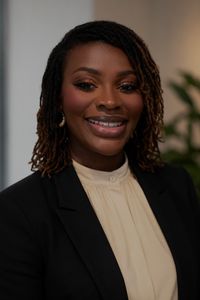
Ngone Saliou Niang (Green Party) is running for election to the Minnesota State Senate to represent District 39. She is on the ballot in the general election on November 3, 2026.[source]
- Bachelor's:
- Arizona State University, 2025
In their own words
Who are you? Tell us about yourself.
I am Ngone Niang, a first-generation Senegalese American, community organizer, political scientist, mother of two, and the Green Party candidate for Minnesota State Senate District 39. My campaign is rooted in the belief that government should work for everyday people—not corporations or political insiders. Through my work in workforce development, disability services, youth engagement, and food access, I’ve seen how disconnected our systems have become from the communities they are meant to serve. I’m running to bring transparent, community-driven leadership to the Minnesota Senate and to ensure every resident has a voice in shaping the decisions that affect their lives.
Please list below 3 key messages of your campaign. What are the main points you want voters to remember about your goals for your time in office?
Invest in Our Communities First
Minnesota's resources should improve life for the people who live here. I will fight for affordable housing, accessible healthcare, quality public education, good-paying jobs, sustainable infrastructure, and healthy local food systems. Our tax dollars should be invested in our communities and local economies—not diverted to priorities that do little to improve the lives of Minnesotans, including funding endless foreign wars while urgent needs remain here at home.Invest in the Next Generation
Minnesota's future depends on the opportunities we create today. I will champion civic education, workforce development, financial literacy, affordable education, and leadership opportunities that prepare young people to succeed. I also believe every resident deserves access to healthy, affordable food, strong public services, and pathways to meaningful employment. By investing in our youth and strengthening our communities, we build a more resilient, prosperous, and democratic Minnesota for generations to come.Restore Democracy Through Civic Education and Community Power
A healthy democracy depends on an informed and engaged public. Too many people don't realize the power they have because they've never been taught how government works or how to effectively participate in it. I will champion civic education for students and adults alike, strengthen opportunities for public participation, and support decentralized decision-making that gives communities a greater voice. When people understand their rights, responsibilities, and ability to shape public policy, they become active partners in building stronger, more accountable government.
What areas of public policy are you personally passionate about?
I am passionate about building communities where everyone has the opportunity to thrive. My priorities include affordable housing, quality public education, healthcare access, workforce development, disability rights, food security, environmental sustainability, and civic education. I believe democracy is strongest when people understand their power and actively participate in shaping their communities. I support decentralizing decision-making so solutions are driven by those most affected. My campaign is guided by collective liberation—the belief that we all do better when we stand together and ensure no one is left behind. Public resources should first strengthen our communities before funding prolonged foreign wars.
What characteristics or principles are most important for an elected official?
Integrity, humility, accountability, and courage are essential.
What do you believe are the core responsibilities for someone elected to this office?
A state senator’s primary responsibility is to represent the people of their district while serving the interests of Minnesota as a whole. That means listening to constituents, crafting thoughtful legislation, responsibly overseeing public spending, and ensuring government remains transparent and accountable. I believe elected officials should remove barriers to opportunity, strengthen local communities, expand civic participation, and invest public resources in meeting people’s needs at home through education, healthcare, housing, infrastructure, and economic opportunity.
What legacy would you like to leave?
I want to leave behind stronger communities, more engaged citizens, and a government that people trust because it truly listens to them. I hope to be remembered for expanding civic education, empowering young people, strengthening local decision-making, and demonstrating that politics can unite rather than divide. If my work helps more people recognize their own power, participate in democracy, and stand together for our collective liberation, then I will have made a lasting difference.
What is something that has been a struggle in your life?
Like many working families, I have had to balance work, school, raising a family, and serving my community while navigating financial constraints. Those experiences have given me a firsthand understanding of how difficult it can be to access affordable childcare, healthcare, education, and stable employment. Rather than discouraging me, those challenges strengthened my commitment to public service and reinforced my belief that government should remove barriers to opportunity instead of creating them.
What do you believe is the ideal relationship between the governor and state legislature?
The governor and legislature should be collaborative partners with distinct constitutional responsibilities, united by a shared commitment to serving the people. The legislature should develop policy, provide oversight, and hold the executive branch accountable, while the governor should faithfully implement the laws and remain responsive to legislative and public input. Healthy government depends on transparency, accountability, mutual respect, open communication, and checks and balances. While disagreements are inevitable, both branches should work together to find solutions that advance the public interest rather than partisan politics.
What do you perceive to be your state's greatest challenges over the next decade?
Minnesota must address the rising costs of housing, healthcare, and education while preparing for the impacts of climate change and ensuring economic opportunity reaches every community. We must also prepare for our growing aging population by strengthening long-term care, supporting family caregivers, expanding the direct care workforce, and ensuring older adults and people with disabilities can live with dignity and independence. At the same time, we must strengthen local food systems, modernize infrastructure, and rebuild civic trust through transparency, civic education, and meaningful public participation so people understand their power and help shape the decisions that affect their lives.
Do you believe that compromise is necessary or desirable for policymaking?
Compromise is an important part of democratic governance, but it should never require sacrificing fundamental principles, morality or people’s rights. Good policymaking comes from listening, finding common ground, and working toward solutions that improve people’s lives. I believe we can disagree respectfully while remaining committed to transparency, evidence-based decision-making, and the public interest. The goal should be progress built through collaboration, not compromise for its own sake.
What was the first historical event that happened in your lifetime that you remember?
9/11/2001
On the 2026 ballot
Links
Compiled from the candidate’s published profile as of September 30, 2026.
Source(opens in new tab)