
Background
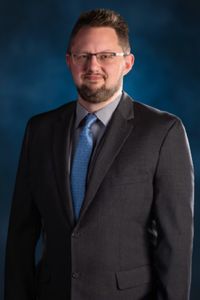
Michael Baker was born in Elyria, Ohio. He earned a high school diploma from Midview High School and an associate degree from ITT Technical Institute in 2006. His career experience includes working in business.[1]
- Associates:
- ITT Technical Institute, 2006
- High school:
- Midview High School
In their own words
Who are you? Tell us about yourself.
I’m Mike Baker, a small business owner, father, and lifelong Ohioan running to represent Ohio House District 52. Through my work building businesses in Elyria and Lorain County, I’ve seen firsthand the challenges families face from underfunded schools to an economy that too often leaves working people behind. That’s why I’m committed to fighting for strong public schools, good-paying jobs, fair economic policies, and a transparent government that puts people over politics. Ohio deserves leaders who will listen, stand up for working families, and invest in our communities and that’s the campaign I’m proud to lead.
Please list below 3 key messages of your campaign. What are the main points you want voters to remember about your goals for your time in office?
People over politics — leadership that listens.
Leaders should answer to everyday families, not special interests. That’s why I’m running to bring accountable, responsive leadership to District 52.Fight for strong public schools and working families.
I’ll prioritize better schools, support for educators, and policies that expand economic opportunity for working people and small businesses.Transparent government and fair economic policy.
We need openness, strong unions, and economic policies that put people first — rebuilding trust and opportunity across Lorain County.
What areas of public policy are you personally passionate about?
I’m passionate about policies that strengthen our communities and put people first. That means fully funding and protecting public education, supporting our teachers and school staff, and making sure every child has the tools they need to succeed. I also care deeply about economic fairness policies that grow good-paying jobs, support small businesses, and give working families a fair shot. And I’m committed to transparency and accountability in government, so decisions are made in the open and in the best interests of everyday Ohioans, not special interests.
Who do you look up to? Whose example would you like to follow, and why?
I look up to my Uncle Bill Willis, who was like a father figure to me when my own father wasn’t around after my parents separated. He coached me in Little League, took me camping, and we spent countless hours together at his trading card store. Through all of that, he taught me the value of family, hard work, and making time for the people you love. His example of kindness, patience, and integrity continues to guide me in my personal life and in how I want to serve my community.
What characteristics or principles are most important for an elected official?
The most important characteristics for an elected official are honesty, accountability, and the willingness to listen. People deserve leaders who are transparent in their decisions, responsive to their communities, and grounded in integrity. An elected official should always put the needs of families and neighborhoods ahead of special interests, and lead with fairness, compassion, and a commitment to serving all constituents.
What do you believe are the core responsibilities for someone elected to this office?
The core responsibility of a State Representative is to listen to the people they serve and ensure their voices are represented at the Statehouse. That means crafting and supporting laws that strengthen public schools, expand economic opportunity, and protect working families. It also requires oversight and accountability making sure state government is transparent, fiscally responsible, and responsive to community needs. Most importantly, the job is about being accessible, present, and committed to solving real problems for the people of the district.
What legacy would you like to leave?
I want my legacy to be that I put people first and made a real difference for my community. I hope to leave behind stronger public schools, a fairer economy that works for working families and small businesses, and a government that people can actually trust. Most of all, I want my kids and every child in our district to grow up knowing that when you step up, work hard, and listen to others, you can create positive change. If my legacy is that I helped make life a little better for Ohio families, then I’ll consider that a success.
What is the first historical event that happened in your lifetime that you remember? How old were you at the time?
The first major historical event I clearly remember was the September 11, 2001 attacks. I was a teenager at the time, and like so many others, I can still recall exactly where I was when I heard the news. That day left a lasting impression on me about the importance of community, service, and coming together in times of crisis.
What was your very first job? How long did you have it?
My very first job was at Marc’s Grocery Store in Elyria, where I worked as a cashier and helped stock shelves. I worked there through high school, and it taught me the value of hard work, responsibility, and connecting with people from all walks of life lessons that still guide me today.
What is your favorite book? Why?
My favorite book is Game of Thrones. I’ve always been drawn to sci-fi and fantasy because of the way those stories build entire worlds, explore complex characters, and show how choices good or bad can shape the future. For me, it’s both an escape and a reminder of how leadership, integrity, and vision matter in every community, whether in fiction or in real life.
If you could be any fictional character, who would you want to be?
If I could be any fictional character, I’d choose Jon Snow from Game of Thrones. He’s far from perfect, but he leads with integrity, puts people before power, and is willing to stand up for what’s right even when it’s hard. Those are qualities I admire and try to bring into my own life and work.
What is something that has been a struggle in your life?
My biggest struggle has probably been always wanting to give 1,000% to everything I do. I’ve had to learn to reel myself back and recognize that I can’t do it all alone that delegating and trusting others is just as important as working hard myself. It’s a lesson that has made me a stronger leader, a better business owner, and someone who values teamwork and collaboration.
What do you believe is the ideal relationship between the governor and state legislature?
The ideal relationship between the governor and the state legislature should be one of collaboration and accountability. Both branches have different roles, but they share the same responsibility to serve the people of Ohio. That means working together to solve problems like funding our schools, growing our economy, and keeping communities safe while also respecting checks and balances to prevent overreach. When the governor and legislature put people before politics, Ohioans benefit.
What do you perceive to be your state's greatest challenges over the next decade?
Ohio faces several serious challenges in the coming decade. First, the future of public education with school funding under constant attack, we must ensure every child, no matter their zip code, has access to a quality education. Second, economic fairness — too many working families are being left behind while special interests thrive, and we need policies that grow good-paying jobs, support small businesses, and strengthen unions. Third, trust in government corruption scandals have shaken public confidence, and restoring transparency and accountability is essential to rebuilding that trust. How we address these challenges will define the future of Ohio for generations.
Do you believe that it’s beneficial for state legislators to have previous experience in government or politics?
Previous experience in government or politics can be helpful, but it’s not the only path to being an effective legislator. What truly matters is having real-world experience, integrity, and the willingness to listen and learn. Too often, career politicians lose touch with the everyday struggles of working families. Small business owners, teachers, parents, and community leaders bring valuable perspectives that government desperately needs. A mix of experience both inside and outside of politics makes for better decision-making and a legislature that reflects the people it serves.
Do you believe it’s beneficial to build relationships with other legislators? Please explain your answer.
Yes. Building relationships with other legislators is essential to getting things done. While we may not always agree on every issue, respectful working relationships open the door to dialogue, compromise, and progress. Legislators who can listen, find common ground, and collaborate across party lines are the ones who deliver real results for their districts. At the end of the day, it’s about serving people and that requires teamwork.
Is there a particular legislator, past or present, whom you want to model yourself after?
Yes. I admire leaders like Casey Weinstein here in Ohio and Bernie Sanders nationally. Both have shown what it means to stand up for working families, fight for transparency, and never lose sight of the people they represent. They lead with integrity, persistence, and a commitment to progressive values qualities I strive to bring to the Statehouse.
Are you interested in running for a different political office (for example, the U.S. Congress or governor) in the future?
I have no plans to run for a different office right now. My full focus is on serving the people of Ohio House District 52 and making sure their voices are heard in the Statehouse.
Both sitting legislators and candidates for office hear many personal stories from the residents of their district. Is there a story that you’ve heard that you found particularly touching, memorable, or impactful?
One of the stories that has stayed with me came from a mother I met while knocking doors. She told me about the struggles her family faces with the rising costs of housing, healthcare, and school supplies, and how difficult it is to give her kids the same opportunities she had growing up in Elyria. What struck me most was her determination she wasn’t asking for special treatment, just for leaders who would listen and fight to make things fair. Her story is a reminder of why I’m running: to ensure families like hers are heard and supported at the Statehouse.
Should the legislature oversee or grant the use of emergency powers?
Yes, but with limits. In true emergencies, the governor needs the ability to act quickly to protect public safety. However, those powers should always be temporary, transparent, and subject to legislative oversight to prevent abuse. The legislature has a responsibility to review, renew, or end emergency powers as circumstances change, ensuring that decisions remain accountable to the people.
What is the first bill you would introduce if elected?
The first bill I would introduce would focus on public school funding reform. For too long, Ohio has relied on broken systems that leave many districts underfunded while shifting the burden onto local property taxpayers. My bill would work to ensure fair, stable, and adequate funding for every public school, no matter the zip code. Strong schools are the foundation of strong communities, and fixing how we fund education is one of the most urgent issues facing Ohio families.
Do you support or oppose changes to the current state ballot initiative process? If so, what kind of changes would you consider?
I believe the ballot initiative process is a powerful tool for democracy, giving citizens a direct voice. But like any tool, it must be protected and strengthened to ensure it works fairly and transparently.
So yes I support certain changes. Here are reforms I would consider:
Clear, honest summaries and titles. The language voters read must be fair, accurate, and free from misleading framing.
Reasonable thresholds. We need signature and geographic requirements that balance accessibility with ensuring broad support.
Transparent oversight. The process for certification, verification, and review should be open to public scrutiny.
Guardrails against abuse. Limit last-minute “ballot stacking” or amendments after submission, and ensure amendments must stay within the scope of what voters approved.
Safeguards for funding disclosure. All campaigns involved in ballot measures should disclose major donors, especially out-of-state or corporate contributions.
With these changes, we can keep the initiative process strong not weakened so that it remains a tool for people, not special interests.
Candidates hear many personal stories from voters. Is there a story that you’ve heard that you found particularly touching or memorable?
One story that has really stayed with me came from a mother who told me about the impossible choices she faces each month deciding whether to put food on the table or pay for the medicine her family needs. No one in Ohio should ever have to make that kind of choice. Hearing her story was a powerful reminder of why I’m running: to fight for families who are doing everything right but are still being left behind, and to make sure our policies put people’s basic needs first.
What is an accomplishment that you are proud of?
One accomplishment I’m especially proud of is building my small business here in Lorain County. Starting a family-owned photography company from the ground up, I’ve been able to create opportunities not only for myself but for others in the community as well. This experience taught me the value of hard work, innovation, and teamwork and it’s shown me how important it is to support local families, schools, and small businesses.
What legislation would you enact related to election administration in your state?
I would introduce legislation to make our elections more accessible, transparent, and secure. That includes measures like expanding early voting and vote-by-mail options, ensuring every polling location is fully staffed and accessible, and investing in modern voting equipment to improve efficiency and security. I also believe we need greater transparency in campaign finance and political advertising, so voters know exactly who is funding election campaigns. Finally, I would work to protect against partisan gerrymandering and safeguard Ohioans’ right to fair representation.
Note: Baker submitted the above survey responses to [the profile publisher] on September 26, 2025.
Show past responsesHide past responses
April 2 submission
Who are you? Tell us about yourself.
I’m Mike Baker, a lifelong Ohioan, small business owner, husband, and father of four. I grew up attending public schools right here in our community and have spent over 15 years giving back—whether coaching Little League, volunteering in Scouting BSA, or building a business that supports local schools and youth sports.
Since 2008, I’ve proudly owned and operated First Choice Photography. Now, I’m stepping up to serve in a new way—by running to represent Ohio’s 52nd District in the State House. I’m not a career politician—I’m a working dad who’s tired of Columbus ignoring the needs of families like ours. I’m running to bring common-sense leadership, full transparency, and real accountability to the Statehouse.
Please list below 3 key messages of your campaign. What are the main points you want voters to remember about your goals for your time in office?
Leadership That Listens
I’m running for State Representative because the people of Ohio’s 52nd District deserve a leader who listens first and acts with purpose. Too many politicians talk at us—we need one who talks with us. I will hold regular town halls, maintain open communication with constituents, and ensure our government is transparent and responsive to the real issues affecting working families.Defending Public Education and Workforce Development
Strong schools and strong careers go hand in hand. I’ll fight for fair school funding, support our teachers, and expand career training and technical education so every student has a pathway to success—whether college-bound or workforce-ready. Education isn’t a political game—it’s our future.Standing with Workers and Unions
Ohio was built by hardworking people—and they deserve a government that has their back. I will oppose anti-union “Right to Work” legislation, protect collective bargaining rights, and support policies that ensure fair wages, benefits, and safe working conditions for every worker in our state.
What areas of public policy are you personally passionate about?
I’m passionate about fully funding public education, supporting teachers, and expanding career training for students. I’ll always stand with workers and unions—fighting for fair wages, safe conditions, and collective bargaining rights. I believe in transparent, accountable government that keeps voters informed and involved. As a small business owner, I’ll champion local economic growth, invest in our communities, and ensure policies work for working families—not special interests.
Who do you look up to? Whose example would you like to follow, and why?
I look up to leaders who stay grounded in their communities and never forget who they’re fighting for. One person I deeply admire is Sherrod Brown—his unwavering support for working families, unions, and public education is the kind of leadership I strive to emulate. He listens, shows up, and fights with conviction, even when it’s not easy or popular. I want to follow that example: being present, putting people before politics, and earning trust through consistent, honest work. That’s the kind of representative I believe Ohio’s 52nd District deserves.
Is there a book, essay, film, or something else you would recommend to someone who wants to understand your political philosophy?
If I had to recommend something to understand my political philosophy, it would be the book “The Politics of Ordinary People” by Matt Grossmann. It captures the idea that real leadership starts with listening and delivering on everyday concerns like schools, jobs, and fairness. I believe government should work for working people—not just the powerful—and that change comes from the ground up, not the top down. I also find a lot of inspiration in local stories—our communities are full of people doing good work that too often goes unnoticed. That’s who I’m running to represent.
What characteristics or principles are most important for an elected official?
An elected official should lead with integrity, transparency, and accountability. They must be a good listener—someone who genuinely hears the concerns of their community and takes action. I believe in putting people before politics, staying grounded in the needs of working families, and always being accessible and honest. Leadership isn’t about having all the answers—it’s about showing up, doing the work, and earning the trust of the people you serve every single day.
What qualities do you possess that you believe would make you a successful officeholder?
I believe what sets me apart is that I’m approachable, accountable, and grounded in real-life experience. As a small business owner, husband, and father, I know what it means to balance budgets, solve problems, and put others first. I’ve spent over 15 years serving our community—not for recognition, but because I care. I’m a strong communicator and a better listener, and I don’t shy away from hard conversations. I believe leadership means showing up, being transparent, and making decisions that put people over politics—every single time.
What do you believe are the core responsibilities for someone elected to this office?
The core responsibilities of a State Representative are to listen to their constituents, craft and vote on legislation that reflects the needs of the district, and fight for fair funding and policies that improve lives at the local level. That includes supporting public schools, protecting workers' rights, ensuring government transparency, and helping communities access state resources. A representative should be present, responsive, and always working for the people—not political insiders.
What legacy would you like to leave?
I want to leave a legacy of leadership that truly listened—someone who didn’t just hold office, but made a real difference in people’s lives. I hope to be remembered as a representative who showed up, stood up for working families, and fought every day to make our schools, communities, and economy stronger and fairer. If, years from now, people can say I made government feel a little more honest, a little more human, and a lot more responsive—that would be a legacy I’d be proud of.
What is the first historical event that happened in your lifetime that you remember? How old were you at the time?
A little later, one of the most significant historical events I clearly remember was September 11, 2001. I was 15 years old, in high school, and like so many others, I remember exactly where I was when I heard the news. Watching the events unfold in real time was shocking, and it left a deep impression on me—how quickly life can change, the importance of leadership in a crisis, and how communities come together in the face of tragedy. It was a defining moment for our generation and one that continues to shape how I view public service and responsibility.
What was your very first job? How long did you have it?
My very first job was at Marc’s when I was 15 and a half years old. I started at the store level, where I learned the value of hard work and customer service. I stayed with Marc’s through high school and into college, eventually moving up to work at the corporate level in the advertising department. That early experience taught me not just how to work—but how to grow, lead, and always look for ways to improve.
What is your favorite book? Why?
Nice—then a favorite for me would have to be Star Wars: Thrawn by Timothy Zahn. Thrawn is such a unique character—brilliant, strategic, and calm under pressure. What I love most is how he leads through intelligence and insight rather than brute force. It’s a reminder that real leadership is about thinking ahead, understanding people, and solving problems with focus and precision. Plus, it’s just an awesome read if you’re a Star Wars fan!
If you could be any fictional character, who would you want to be?
If I could be any fictional character, I’d choose Captain America. Not because of the superpowers—but because he always stands up for what’s right, even when it’s hard. He leads with heart, puts people first, and never backs down from a fight when it comes to justice or protecting others. Plus, he knows the power of teamwork, integrity, and doing the right thing—even when it’s not the easy thing.
What was the last song that got stuck in your head?
That's a great one—“Cult of Personality” by Living Colour is an absolute classic. The guitar riff is unforgettable, and the lyrics hit especially hard when you think about politics and leadership today. It's powerful, bold, and still incredibly relevant—which is probably why it gets stuck in my head so easily. Definitely a track that fuels focus and fire.
What is something that has been a struggle in your life?
One of the biggest struggles in my life was starting and sustaining a small business during uncertain times—especially during the 2008 financial crisis and later the pandemic. Like many families, we faced financial stress, sleepless nights, and hard choices. But through perseverance, community support, and a lot of grit, I kept the business going and even grew it to serve local schools and families. That experience taught me resilience, problem-solving, and the value of standing strong for the people who count on you—lessons I’ll carry with me into public service.
What do you believe is the ideal relationship between the governor and state legislature?
The ideal relationship between the governor and the state legislature should be built on mutual respect, collaboration, and accountability. While we may not always agree, we share a responsibility to serve the people of Ohio—not political parties or special interests. The legislature should act as a check on executive power, while also being willing to work with the governor to solve real problems. I believe in respectful dialogue, honest negotiation, and always putting Ohioans first—because that’s what real leadership looks like.
What do you perceive to be your state's greatest challenges over the next decade?
Ohio faces several major challenges in the coming decade, but a few stand out:
1. Education Funding & Workforce Readiness – We must fully fund public schools, modernize classrooms, and expand career and technical training to prepare students for real-world jobs.
2. Affordable Housing & Community Development – Rising housing costs and out-of-state corporate ownership threaten families and local stability. We need smart policies to keep housing affordable and accessible.
3. Healthcare & Mental Health Access – Too many Ohioans still struggle to access care, especially in rural and underserved areas. We must protect Medicaid, expand services, and support school-based mental health.
4. Economic Inequality & Job Security – As industries change, we need to invest in local businesses, protect workers’ rights, and ensure no community gets left behind.
Tackling these challenges takes leadership that listens and acts.
Do you believe that it’s beneficial for state legislators to have previous experience in government or politics?
Previous experience in government or politics can be helpful, but it’s not essential. What truly matters is having real-world experience, strong values, and a commitment to serve people—not special interests. As a small business owner and community leader, I’ve learned how to solve problems, manage budgets, and bring people together to get things done. We need more leaders in Columbus who understand the everyday challenges Ohioans face and who are willing to listen, learn, and lead with integrity—not just follow the political playbook.
Do you believe it’s beneficial to build relationships with other legislators? Please explain your answer.
Absolutely. Building strong relationships with other legislators—regardless of party—is essential to getting things done. Real progress happens when leaders can listen to each other, find common ground, and work together to solve problems. You can’t fight for your community in a vacuum. Whether it’s improving schools, protecting workers, or investing in infrastructure, collaboration is how we move Ohio forward. I believe in respectful dialogue, shared goals, and putting people above politics.
Is there a particular legislator, past or present, whom you want to model yourself after?
One legislator I admire is Sherrod Brown. While he serves at the federal level, his approach to public service is what I hope to bring to the Statehouse: he listens to working people, shows up in every corner of Ohio, and never backs down from fighting for unions, public education, and healthcare access. He’s proof that you can lead with both compassion and conviction. I want to bring that same level of dedication, accessibility, and advocacy to the people of Ohio’s 52nd District.
Are you interested in running for a different political office (for example, the U.S. Congress or governor) in the future?
Right now, my full focus is on running to represent Ohio’s 52nd District in the Statehouse. I’m not running to climb a political ladder—I’m running because our community needs someone who listens, shows up, and fights for everyday Ohioans. If I earn the trust of voters, my commitment is to serve this district with everything I’ve got. The future will take care of itself—right now, I’m focused on delivering results here at home.
Both sitting legislators and candidates for office hear many personal stories from the residents of their district. Is there a story that you’ve heard that you found particularly touching, memorable, or impactful?
Yes—one story that’s stuck with me is from a parent I met while volunteering with local youth sports. She told me about the struggle to afford both child care and basic school supplies while working two jobs. Despite doing everything right, she still felt like she was falling behind. What struck me most was that she didn’t want a handout—she just wanted her kids to have the same shot at a good education and stable future that previous generations had.
That conversation reminded me why I’m running: to fight for families like hers, who work hard, play by the rules, and deserve a government that works for them—not against them. Her story, and others like it, fuel my co
On the 2026 ballot
Links
Compiled from the candidate’s published profile as of September 30, 2026.
Source(opens in new tab)