
Background
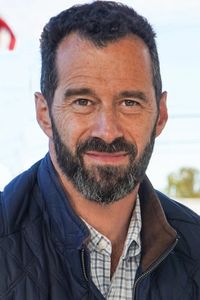
Michael Eisner was born in Cleveland, Ohio. He graduated from West Geauga High School. He earned a bachelor's degree from Hobart and William Smith Colleges in 1990 and a law degree from Cleveland State University College of Law in 1995. His career experience includes working as an attorney.[1]
Eisner has been affiliated with the following organizations:[1]
Livespecial
Cleveland Jewish Big Brothers/Big Sisters
Cleveland Metropolitan Bar Association
Ohio Association for Justice
The National Trial Lawyers - Top 100
Ohio Super Lawyers
- Law:
- Cleveland State University College of Law, 1995
- Bachelor's:
- Hobart and William Smith Colleges, 1990
- High school:
- West Geauga High School
Campaign money
- Raised
- $70K
- From individuals
- $52K
- From PACs & party
- $100
- Own money
- —
FEC filings through June 30, 2026.
View on FEC.gov(opens in new tab)In their own words
Who are you? Tell us about yourself.
I'm Michael Eisner (call me Mike!), and I'm running for Congress to restore the American Dream for working families here in Ohio's 7th District. I live in Solon with my wife and our blended family of five children. I've taught our kids to be "upstanders," not bystanders—and that's how I've lived my life.
For 30 years, I've been a lawyer fighting for everyday people against powerful interests. I've helped over 3,000 people get justice. My philosophy is simple: treat every client like they are the only one, and bring compassion into every case.
As a cancer survivor, I'm healthy and strong today because of NIH-funded research and access to healthcare. That experience showed me how critical it is that everyone—not just the privileged—has access to quality, affordable care. Watching this administration cut healthcare access and funding for medical research pushed me to take this fight to Congress.
I believe in compassion over cruelty and a strong economy that works for everyone, not just billionaires. Unlike the current seat holder who won't hold town halls, I've already done dozens of unscripted community meetings. I show up. I listen. I learn. As your representative, I will continue to be available, visible, and accountable—fighting for solutions that work for you.
I'm running to be A Voice for All. Together, we can restore the American Dream for our families and generations to come.
Please list below 3 key messages of your campaign. What are the main points you want voters to remember about your goals for your time in office?
AFFORDABILITY AND REPRESENTATION
Working families struggle with crushing costs while billionaires get tax cuts. Tariffs hurt small businesses and farmers. Student debt blocks homeownership—first-time buyers now average 39. Yet the current seat holder hides and casts deciding votes that hurt you.
I hold town halls and show up. I'll fight for: Congressional tariff oversight; affordable college and trade schools; job training for AI-displaced workers; reasonably-priced housing; collective bargaining rights; and accessible healthcare.
Your representative should be visible, available, and accountable—fighting to restore your American Dream, not serving donors. That's the difference. I'll be A Voice for All.HEALTHCARE IS A RIGHT, NOT A PRIVILEGE
I beat cancer thanks to NIH-funded research and access to care. Too many Ohioans aren't as fortunate, 340,000+ risk losing coverage due to budget cuts. You and your doctor should make your medical decisions, not insurance executives and politicians.
The current seat holder was the deciding vote to gut the ACA and Medicaid. He chose to follow his party over your health. I pledge to choose Ohioans —every time. I'll fight to expand affordable coverage, protect your relationship with your doctors, give you real choices in plans, and stop insurers from blocking the care you need.
Affordable healthcare isn't just about saving lives. It's essential to the American Dream.DEFENDING YOUR CONSTITUTIONAL RIGHTS AND RESTORING THE AMERICAN DREAM
Our Constitution guarantees equal rights for all—regardless of gender, race, religion, sexual orientation, or views. Yet today: citizens detained without probable cause, press threatened for reporting facts, peaceful protesters called terrorists, LGBTQ+ Americans facing discrimination, families separated without due process.
The current seat holder stayed silent. I'll fight: against executive overreach and retaliation; for probable cause; a free press; equal rights for everyone; and, judicial independence.
These aren't Democratic or Republican ideas—they're American ideas. Protecting these rights restores the American Dream. I'll be A Voice for All.
What areas of public policy are you personally passionate about?
Healthcare — As a cancer survivor, I know how critical quality care and medical research are. NIH-funded research saved me. I'm passionate about ensuring all Ohioans have affordable healthcare, and medical decisions are made between patients and doctors, not by politicians or insurance companies.
Constitutional Rights — Democracy depends on equal protection under the law, due process, and constitutional rights for all. I will fight for Congressional oversight, freedom of the, LGBTQ+ and individual rights, and ensure that representatives serve the people, not their own greed.
Economic Opportunity — Ohioans deserve good-paying jobs, affordable housing, strong public education, and a shot at the American Dream while reducing debt.
What characteristics or principles are most important for an elected official?
Integrity and accessibility are the most important characteristics for an elected official. But they're meaningless without action.
An elected official must show up—hold town halls, meet with constituents, and answer tough questions. They should be visible and accountable, not hiding from the people they represent.
Elected officials work for voters, not presidents, special interests, or their own motives. That means listening to everyone—even people you disagree with. It means doing what's right for your district, not what's politically convenient.
Real representation comes from a commitment to service—improving lives and expanding opportunity so everyone has a shot at the American Dream. That's the job, and it's why I'm running.
What was your very first job? How long did you have it?
I have very vivid memories of my time as a busboy at a local Italian restaurant during high school. I held that job for about a year before moving up to server, and I eventually bartended at restaurants throughout college and law school.
Working for tips taught me what it's like to earn less than minimum wage and depend on customers' generosity. Those jobs reinforced the value of hard work and taking pride in everything you do—no matter what the work is.
My most memorable early career experience was interning for Senator Metzenbaum during college, where I learned how working across the aisle, though difficult, is crucial to getting things done. After graduating, I worked in healthcare advocacy before going to law school and launching my 30-year career as a civil attorney, fighting for people who've been harmed.
Those early restaurant jobs stay with me. I understand what it's like to work hard and still struggle to make ends meet. It's contributed to my desire to fight for working families.
What is something that has been a struggle in your life?
Like most people, I've faced struggles at different points in my life. As a kid, I was the smallest and youngest in my class, which caused me to get picked on. I learned the power of using my words and my mind, instead of physical aggression.
However, my biggest struggle was battling cancer. When you're facing that diagnosis, everything changes. You think about mortality and everything that truly matters. I'm fortunate I had access to quality healthcare and research that saved my life.
That experience showed me how broken our system is. Too many people face the same diagnosis without access to the care that saved me, and I couldn't stand by knowing that. I eventually viewed cancer not as what happened to me—but as what happened for me. That struggle showed me what I'm meant to fight for—and what I'm capable of.
Do you believe that compromise is necessary or desirable for policymaking?
Yes. Compromise is necessary and desirable for effective policymaking.
I know something about this. As a civil attorney, I've spent 30 years negotiating—finding solutions that work for everyone involved. The same skills apply to Congress.
There are times to hold firm on principle—protecting constitutional rights, defending healthcare access, standing up for what's right. However, working across the aisle leads to better outcomes for the people we represent.
When leaders find common ground and shared values, listen to and learn from each other, they create policies that actually work and have staying power. That's how I approach my work with constituents—listening and learning—and it's how I'll work in Congress. Our political system has devolved into talking at each other and grandstanding instead of working together to solve problems.
The people of OH-7 don't want political theater. They want results. I'll work with anyone who's serious about getting things done for the people of our district.
On the 2026 ballot
Links
Compiled from the candidate’s published profile as of September 30, 2026 and FEC filings.
Source(opens in new tab)