Background
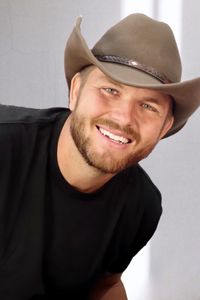
Matt The Welder was born in Clearwater, Florida. He earned a high school diploma from Sickles High School and graduated from Hillsborough Community College in 2018. His career experience includes working as a long haul trucker, media platform manager, and independent contractor.[1]
- High school:
- Sickles High School
In their own words
Who are you? Tell us about yourself.
Matt The Welder (Matt Taylor) was born and raised in rural Florida, where family, faith, and hard work come first. Growing up in a small town, he learned early that if something’s broken, you fix it, whether it’s a piece of equipment, a fence, or a neighbor’s problem.
A welder and mechanic by trade, Matt built his career the same way he lives his life: with grit, honesty, and heart. He has experience raising both cattle and crops right here in Florida. He’s spent years in the shop and out in the field, helping farmers, ranchers, and everyday folks keep Florida running.
Matt has been happily married for 8 years and is the proud father of wonderful children who inspire him to build a better future for the next generation of Floridians.
Matt isn’t a career politician, he’s one of us. He understands what it means to live paycheck to paycheck, raise a family, and fight to hold onto the values that make rural Florida special.
Please list below 3 key messages of your campaign. What are the main points you want voters to remember about your goals for your time in office?
Protect Florida’s Rural Land and Agricultural Heritage
Florida is losing farmland faster than almost any state in the country. I’m running to protect working farms, ranches, and groves from overdevelopment, strengthen family agriculture, and keep Florida’s rural communities alive for the next generation.Strengthen Florida’s Food Supply and Support Local Farmers
A strong Florida depends on a strong, secure food supply. I will work to expand local markets, reduce burdensome regulations, and ensure Florida’s farmers, ranchers, and small producers get the support they need to compete and thrive.Improve Water Quality and Safeguard Natural Resources
Clean water is essential to agriculture, wildlife, and every Florida family. I will prioritize responsible water management, improve oversight of harmful practices, and protect Florida’s springs, wetlands, and rivers so they remain healthy for decades to come.
What areas of public policy are you personally passionate about?
I’m passionate about protecting rural Florida from overdevelopment, supporting family farms, and preserving our state’s agricultural heritage. I care deeply about clean water, healthier land management, and stopping harmful practices that damage our wetlands and springs. I’m committed to standing up for working people, keeping agriculture strong, fighting big PAC influence, and making sure Florida stays true to its “Old Florida” roots while protecting consumers without drowning farmers in red tape.
What qualities does this office possess that makes it a unique and important part of the state government and legal system?
The Commissioner of Agriculture & Consumer Services is unique because it blends two critical roles: protecting Florida’s largest historic industry and safeguarding everyday consumers. It oversees everything from farms, ranches, and food supply chains to gas pumps, weights and measures, and fair business practices. No other office touches both the state’s economy and the daily lives of Floridians in so many practical ways. It’s also one of the few statewide positions with direct authority over land, water, and conservation programs, making it a key guardian of Florida’s natural resources and rural way of life. This combination of agriculture, consumer protection, and environmental stewardship makes it one of the most important, hands-on offices in state government.
Who do you look up to? Whose example would you like to follow, and why?
I look up to the people who work hard, stay grounded, and do the right thing even when nobody is watching. I’ve always admired the example set by everyday Floridians who build their lives through honest work — farmers, tradesmen, truck drivers, and small business owners who keep this state running without expecting any credit. I try to follow that example because it’s real, it’s humble, and it reflects the values I believe leaders should have. Staying connected to regular people, keeping your word, and doing your job with integrity matters more to me than anything you’d find in a political résumé.
What characteristics or principles are most important for an elected official?
An elected official should lead with honesty, accountability, and a commitment to serving the people rather than special interests. They should be transparent in their decisions, responsible with public resources, and willing to listen to the communities they represent. Integrity, fairness, and the courage to make tough decisions even when they’re not politically convenient, are essential. Above all, an elected official should stay grounded, treat people with respect, and remain focused on improving the lives of everyday citizens.
What do you believe are the core responsibilities for someone elected to this office?
The Commissioner of Agriculture & Consumer Services is responsible for protecting Florida’s farms, consumers, and natural resources. The core duties include supporting the state’s farmers and ranchers, strengthening food security, and safeguarding the land and water resources agriculture depends on. The office also oversees important consumer protection functions, from gas pumps and scales to fair business practices, ensuring Floridians get what they pay for. At its core, the job is about keeping Florida’s agriculture strong, protecting the public, and preserving the natural and rural heritage that makes Florida unique.
What legacy would you like to leave?
I want to leave behind a Florida that still looks and feels like the state we grew up in — with farmland protected, clean water restored, and rural communities thriving instead of disappearing. I want people to say I stood up for working families, kept my word, and put ordinary Floridians ahead of big-money interests. If my legacy is that I helped save “Old Florida” for the next generation and proved you don’t need to be a career politician to fight for this state, that would be enough for me.
What is the first historical event that happened in your lifetime that you remember? How old were you at the time?
The first major historical event I remember from my lifetime is 9/11. I was a kid at the time (11years), but old enough to understand that something enormous and terrifying had happened. It’s one of those moments that stays with you forever.
What was your very first job? How long did you have it?
My very first job was driving a tractor-trailer, and I stayed in that line of work for about five years. It taught me discipline, responsibility, and what it means to put in long days doing real work, lessons I’ve carried with me ever since.
What is your favorite book? Why?
My favorite book is The Old Man and the Sea. It’s simple but powerful, and it captures what it means to keep pushing even when everything seems stacked against you. The story is about grit, struggle, and staying determined no matter how many setbacks you face, something that’s always resonated with me. It reminds you that the fight itself matters, and that strength comes from refusing to give up.
If you could be any fictional character, who would you want to be?
I’d want to be someone who’s tough, resourceful, and loyal — a character who protects his home and the people around him. Someone like Daryl Dixon from The Walking Dead fits that perfectly. He’s a hard worker, a survivor, and someone who doesn’t need fancy titles or recognition to do what’s right. He represents resilience, independence, and sticking by your community — traits I value in real life too.
What is something that has been a struggle in your life?
One of the biggest struggles in my life has been having to work my way through everything without shortcuts, connections, or a safety net. I’ve spent most of my life in blue-collar jobs, welding, trucking, and doing whatever it took to get by. There were times when money was tight, opportunities were limited, and I had to push through situations that would’ve been easier with the right last name or political backing. But those struggles are also what shaped me — they taught me resilience, self-reliance, and how to fight for things that matter, even when the odds aren’t perfect. They’re a big part of why I connect so strongly with working people in Florida today.
What responsibilities of this office do you personally consider the most important?
The most important responsibilities to me are the ones that directly protect Florida’s land, water, and the people who depend on them. That includes safeguarding our farms from overdevelopment, strengthening our food supply, and supporting the small growers and ranchers who keep Florida fed. I also place a high priority on clean water and responsible land management, because agriculture can’t survive without healthy natural resources. And on the consumer side, I believe ensuring fairness at gas pumps, markets, and businesses is essential, everyday Floridians deserve honesty and transparency. These are the core duties that keep Florida’s agriculture strong and protect the public at the same time.
Are there any little-known powers or responsibilities held by this office that you believe more people should be aware of?
Most Floridians have no idea how far this office’s authority reaches. The Department oversees gas pumps, fuel quality, and contamination investigations, meaning if someone fills up with bad fuel and their engine is damaged, this office is the one that handles it. It also regulates weights, measures, and pricing accuracy at stores, covering everything from grocery scales to propane tanks to checkout scanners. The state’s concealed weapon licensing system is managed here as well, not by law enforcement like many people assume. The office oversees school nutrition programs and food safety inspections, directly influencing what children eat every day. It also manages the Florida Forest Service, which handles wildfire response, prescribed burns, and forest management, giving the office a major role in public safety. In addition, it controls important conservation lands and agricultural easement programs that keep farms from being paved over. It even regulates pests, soil health, plant nurseries, and invasive species. All of this shows how deeply the office affects everyday life in Florida, from the food on your plate to the fuel in your car to the protection of farmland and natural resources.
Do you believe that it's beneficial for holders of this office to have previous experience in government or politics?
No. What matters most in this office isn’t political experience, it’s real-world understanding of Florida’s land, water, and agricultural communities. The Commissioner of Agriculture and Consumer Services deals with practical, on-the-ground issues that impact farmers, consumers, and working families every single day. Someone who has actually lived and worked in those environments often brings clearer judgment, more common sense, and a stronger connection to the people they serve. Practical experience, honesty, and a commitment to protecting Florida’s resources are far more valuable than a political résumé.
What kind of skills or expertise do you believe would be the most helpful for the holders of this office to possess?
The most helpful skills for this office come from real, hands-on experience with Florida’s land, agriculture, and working communities. Practical knowledge of farming, ranching, water management, and land stewardship is essential because the decisions made in this role directly affect those areas. Strong problem-solving skills, the ability to communicate clearly with both rural and urban communities, and an understanding of how to cut through bureaucracy are equally important. Experience in consumer protection, business operations, or managing complex systems also helps, since the office regulates everything from fuel and food safety to forests and school nutrition. Above all, the most valuable qualities are common sense, honesty, and a deep understanding of the challenges real Floridians face.
Do you support or oppose changes to the current state ballot initiative process? If so, what kind of changes would you consider?
I support protecting the ballot initiative process and keeping it in the hands of everyday Floridians, not big-money interests. Florida’s citizen initiative system is one of the only ways regular people can change the constitution when the legislature won’t listen. I do not support making it harder for citizens to get measures on the ballot, and I oppose raising signature thresholds or adding new barriers that would shut out grassroots voices. The only change I would consider is increasing transparency so voters can clearly see when a petition is funded by massive out-of-state groups rather than real Florida residents. The goal should be to keep the process open, honest, and accessible to the people it was designed for.
Candidates hear many personal stories from voters. Is there a story that you’ve heard that you found particularly touching or memorable?
One story that stuck with me came from a farmer who told me he was the last generation in his family still trying to keep their land working. His father and grandfather farmed it, but he said development pressure, rising costs, and constant regulatory headaches were slowly squeezing him out. He told me he wasn’t looking for handouts — he just wanted a fair shot to keep the land in agriculture instead of watching it get turned into another subdivision. The way he talked about fighting to hold onto something that had been in his family for decades really hit me. It reminded me why protecting rural Florida isn’t just policy — it’s about people trying to preserve their heritage, their identity, and their way of life.
What is an accomplishment that you are proud of?
One accomplishment I’m proud of is building everything I’ve done from the ground up without a political machine or big donors behind me. I’ve worked hard my entire life, from driving a truck to welding to creating content that reaches hundreds of thousands of people across Florida. Turning that real-world experience into a platform that gives a voice to rural communities, farmers, and working people is something I’m genuinely proud of. It shows that you don’t need titles or connections to make an impact — just work, honesty, and the willingness to stand up for what matters.
Matt The Welder did not complete [the profile publisher]'s 2024 Candidate Connection survey.
On the 2026 ballot
Links
Compiled from the candidate’s published profile as of September 30, 2026.
Source(opens in new tab)