
Background
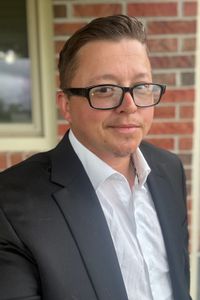
Kayden Bennett served in the U.S. Army.[1]
In their own words
Who are you? Tell us about yourself.
My name is Kayden Bennett, and I am a veteran, father, foster parent, farmer, and lifelong working-class American running for the Kansas House because I believe everyday people deserve representation from someone who understands the realities they face. I was born in Philadelphia and grew up in an unstable environment where I often helped raise my younger siblings and started working at a young age to help support my family. Those experiences shaped my views on responsibility, resilience, and community.
I later served as a combat military police officer and suffered a severe traumatic brain injury while serving my country. Recovery took years and completely changed my perspective on struggle, service, and perseverance. After rebuilding my life, I moved to Kansas to be closer to family and eventually built a life centered around caregiving, foster parenting, farming, and community support.
Today, I am raising children, caring for family members, building Swift Rain Farmstead with my wife, and navigating many of the same financial and systemic pressures facing other Kansans. I am running because I believe government should be more transparent, accessible, and connected to the people it represents.
Please list below 3 key messages of your campaign. What are the main points you want voters to remember about your goals for your time in office?
Everyday people deserve representation from someone who understands the realities they face. I am not a career politician or political insider. I am a veteran, father, foster parent, and working-class Kansan who understands the pressures many families are navigating every day.Government should be transparent, accessible, and accountable to the people it serves. I believe elected officials should spend more time listening to constituents, communicating honestly, and staying connected to their communities instead of focusing on political theater.I believe Kansas needs leadership focused on practical solutions, long-term community stability, and improving everyday life for working families. My campaign is rooted in service, community engagement, and the belief that government should work for everyday people, not just those with money, power, or political connections.
What areas of public policy are you personally passionate about?
I am passionate about policies that directly affect the daily lives of working Kansans. That includes public safety and accountability, healthcare access, foster care reform, senior care and support, housing affordability, education funding, and government transparency. I am especially interested in making government easier for everyday people to understand and engage with. My approach is grounded in lived experience, listening to constituents, and focusing on practical solutions that strengthen families and communities over the long term.
Who do you look up to? Whose example would you like to follow, and why?
I look up to the people who helped shape me through different stages of my life, especially my Mommom and Poppop, who taught me integrity, responsibility, humility, and the importance of keeping your word. My Aunt Carol stepped in during difficult periods of my life and showed me what it means to continue showing up even when things are hard. A social worker named Merideth helped me get out of homelessness as a teenager when I was struggling and trying to rebuild my life. I deeply respect the soldiers I served beside, many of whom carried incredible strength, sacrifice, and resilience through situations most people will never experience. Those experiences taught me that leadership is about service, consistency, sacrifice, and helping people when they need it most.
What characteristics or principles are most important for an elected official?
I believe the most important qualities for an elected official are honesty, transparency, accountability, accessibility, and consistency. Elected officials should be willing to listen to the people they represent, communicate clearly about decisions being made, and remain connected to their communities instead of political insiders. I also believe integrity matters, doing the right thing even when it is unpopular or difficult. Public service should be centered around representing constituents honestly, understanding how policies affect everyday people, and working toward practical solutions that improve people’s daily lives.
What do you believe are the core responsibilities for someone elected to this office?
I believe the core responsibility of a state representative is to represent the people of their district honestly, consistently, and transparently. That means listening to constituents, understanding the real-world impact of legislation, and making informed decisions that reflect the needs of the community rather than political pressure or special interests. A representative should also be accessible to the public, communicate openly about decisions being made, carefully review legislation and budgets, and work to ensure taxpayer dollars are being used responsibly and effectively.
What legacy would you like to leave?
I would like to leave behind a legacy of service, resilience, and showing up for people when they need it most. I want my children and community to remember me as someone who stayed grounded, helped others whenever possible, and worked to make life better for everyday people. I hope people see that I tried to lead with integrity, compassion, and honesty, even when things were difficult. More than anything, I want to leave behind stronger communities, stronger families, and the example that one person does not need to come from power or privilege to step forward and fight for others.
What was your very first job? How long did you have it?
It was not a formal job at first, but around age twelve I was doing whatever I could to help support my siblings and family, cutting lawns, babysitting, and taking on odd jobs whenever they came up. Once I was old enough to officially work, I got a job at McDonald’s and eventually worked my way up to manager before joining the military.
What is something that has been a struggle in your life?
One of the biggest struggles in my life was surviving and recovering from a traumatic brain injury I suffered while serving in the military. The injury nearly took my life and required multiple surgeries, including having a metal plate placed in my skull. Recovery was a long and difficult process that took nearly two years, during which I had to relearn how to walk, talk, and function normally again. There were moments where even basic daily tasks felt overwhelming.
That experience changed my perspective on resilience, patience, and what people are capable of overcoming when they refuse to give up. It also gave me a much deeper understanding of struggle, recovery, disability, and the long-term impact trauma can have on individuals and families. While it was one of the hardest experiences of my life, it taught me perseverance, humility, and the importance of continuing forward even when the path ahead feels impossible.
What do you believe is the ideal relationship between the governor and state legislature?
I believe the ideal relationship between the governor and state legislature should be built on communication, transparency, and a shared responsibility to serve the people of Kansas. While there will naturally be disagreements between branches of government, those disagreements should be handled through honest discussion and a focus on solving problems rather than political conflict for its own sake. I believe both the governor and legislature have important roles in creating balanced government, and the best outcomes happen when leaders are willing to work together while still maintaining accountability and respecting the separate responsibilities of each branch.
What do you perceive to be your state's greatest challenges over the next decade?
I believe one of Kansas’s greatest challenges over the next decade will be creating long-term financial stability without continuing to push costs onto working families and local communities. We are already seeing the pressure this creates through rising property taxes, increasing housing costs, underfunded public systems, and communities struggling to keep up with infrastructure and education needs. Too often, short-term budgeting decisions create larger long-term problems.
I also believe Kansas needs to think more strategically about sustainable funding sources. One example is my support for legalizing and taxing marijuana in a way that creates a long-term education funding stream while also helping reduce pressure on local property taxes. I believe Kansas must start focusing more on proactive, long-term planning that strengthens communities instead of relying on temporary fixes that leave future generations carrying the burden.
Do you believe that compromise is necessary or desirable for policymaking?
I believe compromise is a necessary part of policymaking, especially in a representative government where people come from different backgrounds, experiences, and perspectives. At the same time, I do not think compromise should mean abandoning core values or ignoring the needs of the people you represent. Good policymaking requires listening, honest discussion, and finding practical solutions that move communities forward. I believe elected officials should be willing to work together when possible while still being transparent about where they stand and why.
What was the first historical event that happened in your lifetime that you remember?
One of the first major historical events I clearly remember was the September 11 attacks. I remember the confusion, the fear, and how suddenly everything around the country felt different afterward. It was one of those moments where, even as a teenager, I understood that nothing would ever be the same again. Looking back, I think that event shaped a lot of how my generation understands service, security, sacrifice, and the lasting impact major events can have on everyday people.
On the 2026 ballot
Links
Compiled from the candidate’s published profile as of September 30, 2026.
Source(opens in new tab)