
Background
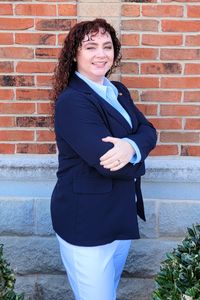
Katie Crosby was born in Kannapolis, North Carolina. She earned a high school diploma from A.L. Brown High School, and a bachelor's degree from the University of North Carolina-Charlotte in 2016. Her career experience includes working as a tutor and in real estate. [1][2][3]
As of 2024, Crosby was affiliated with the following organizations:[2]
Lancaster NAACP
Indian Land Action Council
LGBTQ+ Real Estate Alliance
National Association of REALTORS
NC Realtors
SC Association of REALTORS
Clyburn Fellows
Modjeska Simkins School
Emerge SC
HOPE Lancaster
- Bachelor's:
- University of North Carolina, Charlotte, 2016
- High school:
- A.L. Brown High School
In their own words
Who are you? Tell us about yourself.
My story starts in Kannapolis, North Carolina - a former mill town that changed forever when the local textile mill shut down. My dad lost his job, and my mom started a small business to help keep our family going. Watching them adapt and rebuild taught me that communities are strongest when we look out for one another, and that resilience, empathy, and hard work can get us through anything.
Education has always been at the center of my life. As a Levine Scholar at UNC Charlotte, I earned a dual degree in Elementary and Special Education, where I saw firsthand the disparities in our public schools. Teaching in a Title I school showed me how much harder some students have to work just to access the same opportunities, and how much our teachers sacrifice every day to make it happen.
My passion for service grew from those experiences. I worked with the Urban Ministry Center (now Roof Above), supporting unhoused neighbors and training volunteers. Later, I taught in Peru and South Africa, where I learned how deeply access to education shapes the future of families and communities.
After several years in the classroom, I moved to South Carolina in 2019 with my husband and shifted into real estate—but my mission didn’t change. I wanted to keep helping families find stability, safety, and opportunity. A secure home is the first building block for a child’s education and a family’s success.
Please list below 3 key messages of your campaign. What are the main points you want voters to remember about your goals for your time in office?
I believe in building stability and creating opportunity. Families in Indian Land and across District 44 are working harder than ever, yet too many are still struggling to afford the basics. Rising costs and stagnant wages are putting pressure on household budgets and small businesses alike.
South Carolina’s economy should work for working families, not just corporations, and I'm running to build stability, raise wages, and create real opportunity for our community.I believe healthy families are the foundation of strong communities. But across District 44, families are struggling to afford care, find providers, and get timely help when they need it most.
Healthcare should be accessible, affordable, and private, and I'm running to make sure every family in our community can get the care they deserve, close to home. To do this, I'll expand access through Medicaid and community care, protect women’s healthcare because it is healthcare, fight for children’s mental health because it can’t wait, and always put families before politics.I believe in smart growth and safe roads. Traffic and growth are reshaping District 44, but our infrastructure hasn’t kept up. Congestion, unsafe intersections, and overloaded systems are putting families at risk every day.
Growth should be planned, roads should be safe, and infrastructure should serve the people who live here, not leave communities stuck playing catch-up.
Taxpayer dollars should be spent where they are needed most, and infrastructure projects should come with clear timelines, transparency, and measurable outcomes.
What areas of public policy are you personally passionate about?
Strong public schools are the foundation of a strong community. But in District 44, rapid growth, overcrowded classrooms, and underpaid, hardworking teachers are putting pressure on students, families, and educators alike.
Public schools serve the vast majority of families here, and they deserve stable, reliable funding that stays in our community.
Education dollars should strengthen neighborhood public schools, not be diverted to private voucher programs that lack accountability and fund private schools that don’t even exist in this district.
I believe every child deserves a high-quality public education, and I'm running to strengthen our schools, support teachers, and prepare students for bright futures right here at home.
What organizations or individuals have endorsed your campaign?
SC AFL-CIO
Planned Parenthood Votes! South Atlantic
Who are you? Tell us about yourself.
Born and raised in Kannapolis, North Carolina, a former mill town, I experienced the challenges of economic uncertainty firsthand. Our family’s life changed dramatically when the local mill shut down, impacting my father's job and prompting my mother to start a small business. These experiences instilled in me the values of adaptability and perseverance.
I graduated from the Levine Scholars Program at UNC Charlotte with a Bachelor of Arts in Special and Elementary Education, gaining diverse experiences from uptown Charlotte to Alaska, Peru, and South Africa.
After graduating, I taught at two schools in North Carolina, engaging with the diverse needs of my students. In 2019, I moved to South Carolina with my husband. Although I stepped out of the classroom in 2022, I continue to pursue my passion for helping people in my real estate career.
My commitment to civic engagement led me to join the Lancaster NAACP and the Lancaster County Democratic Party, where I served in leadership roles in both organizations.
In 2022, I furthered my education at the Modjeska Simkins School, focusing on South Carolina’s history, political literacy, and civic responsibility. I also completed the James E. Clyburn Fellowship and the Emerge SC signature program, equipping me with leadership, policy, and campaign management skills.
Please list below 3 key messages of your campaign. What are the main points you want voters to remember about your goals for your time in office?
I understand the challenges educators face and their impact on student success. I'm committed to raising teacher salaries and addressing staff shortages to enhance student outcomes. We must prioritize public education funding and oppose harmful culture wars like book bans and DEI restrictions. Public funds should support competitive wages and world-class environments in public schools. Safety is essential, so I advocate for sensible measures that keep our focus on learning. Let’s empower educators and give every SC student the best chance to succeed.SC's poor-quality roads and overdevelopment create dangerous intersections and power problems. I envision neighborhoods with improved roads, modern utilities, and walkable areas, achieved through wise tax investments. I will champion efforts to revitalize small businesses and ensure residents earn a living wage, so development benefits everyone. Let's provide our families the opportunity to thrive financially and secure a prosperous future.Healthcare in our district needs urgent improvement. Many residents, despite having insurance, travel out of state for better care. We need to expand Medicaid and other insurance options to ensure everyone can afford quality local care. Repealing bans on reproductive and LGBTQIA+ care is crucial for legal access to all necessary treatments. We must also provide comprehensive mental health support, reduce stigma, and enhance accessibility. Let’s prioritize healthcare so our community can live healthy, fulfilling lives.
What areas of public policy are you personally passionate about?
I am passionate about public education, economic freedom, and healthcare freedom. Our public schools deserve robust funding, competitive salaries for teachers, and safe environments for students. I advocate for legislation that improves infrastructure, provides affordable housing, and supports small businesses to drive economic growth. In healthcare, it is essential to expand access, enhance quality, and ensure legal access to comprehensive care, including reproductive and LGBTQIA+ services. Every individual should have the freedom to receive quality care close to home, and our community deserves a thriving, inclusive economy that benefits all.
Who do you look up to? Whose example would you like to follow, and why?
I look up to Malala Yousafzai. From a young age, she fought for women’s education and did not back down, even after being shot. Her courage and determination are truly inspiring. Malala continues to advocate for education worldwide, making a profound impact on countless lives.
I used to read a children's book she wrote, called "Malala's Magic Pencil," to my class. I would ask my students, "If you had a magic pencil, what would you do?" This question encouraged them to think about how they could make a difference in the world, just as Malala has. Her story resonated deeply with my students and with me.
Like Malala, I want to use my voice to advocate for others. Her example reminds me that even in the face of great adversity, one person can bring about significant change. Malala’s unwavering commitment to education and fearless advocacy inspire me to work tirelessly for the betterment of our community and to stand up for what is right.
By embodying Malala's qualities of courage, determination, and advocacy, I believe I can be a successful officeholder. My commitment to education, my willingness to face challenges head-on, and my dedication to making a positive impact in our community are qualities that will help me serve effectively.
What characteristics or principles are most important for an elected official?
An elected official should embody integrity, transparency, and accountability. Integrity ensures they act in the best interest of their constituents, making principled decisions. Transparency builds public trust through clear communication and openness about decision-making. Accountability means taking responsibility for actions, admitting mistakes, and working to correct them.
Empathy is vital. Officials must connect with the diverse experiences and challenges of their constituents, actively listening and addressing the needs of all community members, especially the most vulnerable.
A strong commitment to equity is essential. Officials should promote fairness and justice, ensuring equal access to opportunities and resources for everyone. This includes advocating for marginalized communities and working to eliminate systemic barriers.
Collaboration is key; no official can achieve their goals alone. They must work effectively with other leaders, community organizations, and citizens to build consensus and create lasting solutions. This requires humility, respect for differing viewpoints, and the ability to find common ground.
Vision is important. Officials should have a clear, compelling vision for the future of their community, setting long-term goals, anticipating challenges, and proactively creating positive change.
Resilience is crucial. The path of public service is challenging and filled with setbacks. An effective official must remain determined and focused, continuously working towards their goals despite obstacles.
By embodying these principles, elected officials can truly serve and uplift their communities, fostering trust, unity, and progress.
What do you believe are the core responsibilities for someone elected to this office?
Legislative Duties: Drafting, debating, and voting on laws that impact the state. Representatives must understand proposed legislation, collaborate with colleagues, and advocate for beneficial bills.
Advocacy: Securing funding, resources, and support for local projects. Promoting policies that enhance economic development, education, healthcare, and infrastructure. Standing up for constituents' rights and interests at the state level.
Ethical Conduct and Transparency: Acting with integrity and making decisions in the best interest of constituents and the state. Maintaining transparency in actions and decisions to build trust and accountability.
Constituent Services: Being accessible, listening to concerns, addressing needs, and assisting with state-related issues. This includes helping navigate state services and addressing local concerns. Regular communication through town halls, community meetings, and updates is crucial.
Community Engagement: Actively participating in the community, attending events, supporting local initiatives, and building relationships with community leaders and organizations. This fosters trust, collaboration, and a deep understanding of our district's unique challenges and opportunities.
What do you believe is the ideal relationship between the governor and state legislature?
The ideal relationship between the governor and the state legislature should be one of collaboration, mutual respect, and a shared commitment to serving South Carolinians.
Collaboration and Communication: The governor and the legislature should work together to develop and pass legislation that addresses the state’s needs and priorities. Regular communication, joint problem-solving, and compromise are essential for effective governance.
Mutual Respect: Both branches should acknowledge each other's distinct powers and responsibilities, engaging in respectful dialogue and listening to differing viewpoints. This fosters a healthy working relationship.
Public Interest: Shared commitment to the public interest should drive their interactions. Prioritizing the well-being of South Carolinians over partisan interests is crucial. They should focus on policies that promote economic growth, education, healthcare, public safety, and environmental sustainability.
Checks and Balances: While collaboration is important, both branches must hold each other accountable to ensure transparent and responsible decision-making. This balance of power is essential for a healthy democracy.
A collaborative, respectful, and accountable relationship between the governor and the state legislature is vital for effective governance and the well-being of South Carolina’s residents.
What do you perceive to be your state's greatest challenges over the next decade?
Over the next decade, South Carolina faces several significant challenges that must be addressed to ensure a prosperous and healthy future for all residents.
Education
Providing a free and quality public education is crucial. Our schools need better funding, competitive salaries for teachers, and safer environments for students. Addressing overcrowding, improving infrastructure, and opposing book bans and DEI restrictions are essential for fostering an inclusive and effective educational system. Ensuring public safety, including implementing sensible gun safety regulations, is vital for creating safe learning environments and promoting student success.
Economic Freedom
Our state must invest in improving roads, public transportation, and utilities. Overdevelopment and inadequate infrastructure are leading to dangerous intersections, power issues, and water quality problems. Promoting sustainable development and supporting small businesses will foster economic growth and resilience. Additionally, protecting homes and investments from extreme weather by addressing climate change and pollution is crucial. Ensuring air and water are free of pollutants will enhance public health and attract businesses that prioritize sustainability.
Healthcare Freedom
Expanding access to quality healthcare is vital. This includes expanding Medicaid, improving healthcare services, and ensuring legal access to comprehensive care, including reproductive and LGBTQIA+ services. Addressing environmental issues such as pollution will lessen the strain on our healthcare system by reducing respiratory and other pollution-related illnesses. Providing robust mental healthcare, reducing stigma, and enhancing accessibility are critical components of a resilient healthcare system. Clean air and water are essential for maintaining public health and reducing healthcare costs.
Do you believe that it’s beneficial for state legislators to have previous experience in government or politics?
Yes, having previous experience in government or politics can be beneficial for state legislators, but it is not the only path to effective leadership. Experience in government or politics provides valuable insights into the legislative process, an understanding of policy-making, and familiarity with the complexities of governance. It helps legislators navigate the political landscape, build relationships, and effectively advocate for their constituents.
However, diverse backgrounds and perspectives are equally important in a legislative body. Individuals from various professional fields, including education, healthcare, business, and community activism, bring fresh ideas and unique solutions to the table. These diverse experiences can lead to more comprehensive and innovative approaches to policy-making.
Ultimately, the most important qualities for a state legislator are a commitment to public service, a strong work ethic, integrity, and a genuine desire to address the needs and concerns of their constituents. While previous experience in government or politics is valuable, a diverse and dedicated group of legislators can collectively work toward the best outcomes for the state.
Do you believe it’s beneficial to build relationships with other legislators? Please explain your answer.
Yes, building relationships with other legislators is crucial for effective governance. Collaboration and positive, trusting relationships are key to achieving goals.
These relationships enable open communication, foster mutual respect, and facilitate compromise. When legislators trust and understand each other, they are more likely to collaborate on crafting and passing legislation that benefits their constituents. Strong relationships help bridge partisan divides and promote a cooperative atmosphere where diverse perspectives can be integrated into well-rounded policies.
Moreover, building relationships with other legislators enhances the ability to advocate for one's district. It allows for better negotiation, coalition-building, and support for initiatives that address local needs. Legislators who cultivate positive relationships are often more effective in advancing their legislative agendas and making meaningful contributions to the state's progress.
Is there a particular legislator, past or present, whom you want to model yourself after?
I admire SC House Rep Heather Bauer and aim to model myself after her. She is fierce, fearless, tenacious, and disciplined, having flipped her house seat in 2022 with the message, "You take our rights. We take your seat." Despite losing in 2020, she did not give up and has fought tirelessly for the people of South Carolina, especially women.
Heather won by putting in the work—knocking on almost every door in her district. Even after getting elected, she continued to knock on doors to stay in touch with her constituents. Her dedication to understanding and addressing the needs of her community is truly inspiring.
She has made significant progress in traditionally male-dominated areas like hunting and fishing, advocating for women’s rights and representation. Her resilience and commitment to her constituents are exemplary. She spoke at my Emerge SC Signature Program graduation, encouraging us to be genuine on the campaign trail. At this year's Democratic Women Legislative Caucus's Day in Blue, she urged us to continue learning and to "have the courage to be disliked."
Heather Bauer’s dedication, perseverance, and approach to public service make her an exemplary role model. I aspire to bring the same level of commitment, authenticity, and courage to my work as she does.
Are you interested in running for a different political office (for example, the U.S. Congress or governor) in the future?
My focus is on serving District 44. We need strong candidates who genuinely care about South Carolinians to run in every race, every time, to build momentum and reclaim our freedoms in SC. My priority is addressing the local challenges of District 44 and working towards a brighter future for our community. By strengthening our district, we contribute to a stronger South Carolina overall.
Both sitting legislators and candidates for office hear many personal stories from the residents of their district. Is there a story that you’ve heard that you found particularly touching, memorable, or impactful?
One story that particularly resonated with me is from a dedicated teacher deeply worried about affording her teenager's college education. Despite her hard work and commitment to educating our youth, the rising costs of higher education have placed an enormous financial burden on her family.
Educators face sacrifices and challenges every day. This story highlights the pressing need to better support our teachers, not only in their professional roles but also in their personal lives. It’s unacceptable that those who dedicate their lives to teaching our children struggle to provide their own children with educational opportunities.
This teacher’s struggle underscores the urgent need for policies that make higher education more affordable and accessible. We must advocate for increased funding for public education, support for scholarship programs, and initiatives that reduce the financial burden on families. Additionally, ensuring competitive salaries and benefits for teachers is crucial in recognizing their invaluable contribution to our society.
By addressing these issues, we can help teachers and all families in our community achieve economic stability and ensure that every student has the opportunity to pursue higher education without overwhelming financial stress. This story reinforces my commitment to advocating for policies that support our educators and invest in the future of our children.
Should the legislature oversee or grant the use of emergency powers?
Yes, the legislature should oversee and grant the use of emergency powers. While it is crucial to have a mechanism for swift action during emergencies, such powers must be balanced with checks and balances to prevent abuse.
Granting emergency powers should involve clear guidelines and limitations to ensure they are used appropriately and only for the duration necessary to address the emergency. The legislature should play a prominent role in this process by providing oversight and ensuring transparency and accountability. This includes regularly reviewing the use of emergency powers, setting clear criteria for their activation, and having the authority to revoke or modify these powers if necessary.
By involving the legislature, we can ensure that emergency powers are exercised in a manner that respects democratic principles and safeguards the rights and interests of the public. This collaborative approach helps maintain public trust and ensures that emergency measures are both effective and proportionate.
What is the first bill you would introduce if elected?
If elected, the first bill I would introduce would be to expand Medicaid in South Carolina. Expanding Medicaid is crucial for several reasons:
Improving Healthcare Access
Many South Carolinians currently lack access to affordable healthcare. Expanding Medicaid would ensure that more low-income individuals and families can receive the medical care they need, including preventive services, mental health support, and treatment for chronic conditions.
Economic Benefits
Expanding Medicaid would bring significant federal funding into our state, which would not only help cover the costs of the expansion but also stimulate our economy. It would create jobs in the healthcare sector and reduce the financial burden on hospitals and clinics that currently provide uncompensated care.
Health Outcomes
States that have expanded Medicaid have seen improvements in health outcomes, including lower rates of uninsured residents, better access to primary care, and reductions in mortality rates. By expanding Medicaid, we can improve the overall health and well-being of our communities.
Financial Stability for Families
Many families face financial instability due to medical expenses. Expanding Medicaid would provide a safety net for these families, reducing the risk of medical bankruptcy and allowing them to focus on other essential needs, such as education and housing.
Addressing Disparities
Expanding Medicaid is also a step toward addressing health disparities that disproportionately affect low-income communities and communities of color. It ensures more equitable access to healthcare services, promoting fairness and justice in our healthcare system.
By expanding Medicaid, we can take a significant step toward a healthier, more prosperous South Carolina. This initiative aligns with my commitment to healthcare freedom, ensuring that all residents have the opportunity to live healthy and fulfilling lives.
What organizations or individuals have endorsed your campaign?
Run for Something
Moms Demand Action designation as a Gun Sense Candidate
Center for Freethought Equality PAC
Catawba Central Labor Council
What committees interest you?
Education and Public Works Committee: Our public education system needs robust support. This committee focuses on K-12 education, higher education, and public infrastructure. It is an ideal platform to advocate for better funding, competitive teacher salaries, and safer, more effective schools.
Medical, Military, Public, and Municipal Affairs Committee: With many veterans in my family, I am deeply committed to addressing the needs of our military community. This committee deals with healthcare, public health, and veteran affairs, allowing me to advocate for improved healthcare access and veteran support.
Agriculture, Natural Resources & Environmental Affairs Committee: Conservation is one of my top priorities. This committee focuses on agriculture, natural resources, and environmental protection. Serving on this committee would allow me to promote sustainable practices, protect our natural resources, and support conservation efforts.
Health and Environmental Affairs Committee: With a strong focus on healthcare freedom, this committee interests me due to its work on public health and healthcare access. I aim to expand Medicaid, improve healthcare quality, and ensure legal access to compre
What are your views on financial transparency and government accountability?
Financial transparency and government accountability are crucial for maintaining public trust and ensuring the responsible use of taxpayer dollars. Every government official and agency must operate with the highest standards of integrity and openness.
Financial Transparency: Voters deserve clear, accessible, and timely disclosure of how public funds are allocated and spent. This involves detailed reporting on budget proposals, expenditures, and financial audits, allowing taxpayers to see where their money goes and holding officials accountable.
Government Accountability: Officials must answer for their actions, acknowledge mistakes, and implement corrective measures. This includes robust checks and balances to prevent mismanagement and corruption.
To enhance transparency and accountability, I support:
-Regular Audits: Independent audits to ensure funds are used appropriately.
-Public Access to Information: Making financial records and audit results easily accessible online.
-Clear Reporting Standards: Standardized procedures for consistent financial reporting.
-Whistleblower Protections: Strengthening protections for those who expose corruption.
-Community Involvement: Encouraging public participation in the budgeting process.
Committing to these principles helps restore confidence in government, prevent misuse of taxpayer dollars, and ensure public funds benefit all residents. Financial transparency and accountability are essential for a healthy democracy.
Would a state ballot initiative process be good or bad for your state?
Yes, a state ballot initiative process would be beneficial for South Carolina. This process allows citizens to directly propose and vote on laws or constitutional amendments, bypassing the state legislature. Such a mechanism empowers the people and enhances democratic participation in several key ways:
Direct Democracy
A ballot initiative process gives citizens a direct voice in the legislative process. For contentious and significant issues like abortion access, this allows the public to directly decide on matters that impact their lives and rights, ensuring that the will of the people is heard.
Responsive Governance
The initiative process can make the government more responsive to the needs and desires of the populace. It enables citizens to bypass potential legislative gridlock or inaction, addressing pressing issues that may otherwise be stalled.
Public Engagement
By involving citizens directly in the legislative process, a ballot initiative process encourages greater public participation and engagement. This fosters a more informed and active electorate, as people become more involved in shaping the laws that govern them.
Enhanced Accountability
The ballot initiative process holds el
On the 2026 ballot
Links
Compiled from the candidate’s published profile as of September 30, 2026.
Source(opens in new tab)