
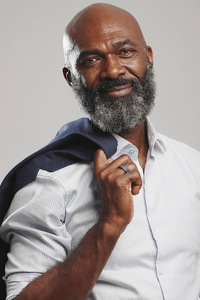
Background
James Joseph was born in Houston, Texas. He earned a high school diploma from Ross Shaw Sterling High School and a bachelor's degree in public affairs with a minor in business administration from the Barbara Jordan-Mickey Leland School of Public Affairs at Texas Southern University in 2019. Joseph earned a diesel mechanic certification from Houston Community College and completed the Rice University Center for Civic Leadership training program.[1][2]
Joseph's career experience includes working as a business consultant and as CEO with Neighborhood Enrichment Xchange. He has served as president of the Blocks Organizing Neighborhood Defense and Super Neighborhood #55, and as vice president of Legacy Health's community advisory committee. Joseph has been a member of the Blue Ribbon Committee with Houston Community College Northeast, and has been associated with the National Society of Leadership & Success, the American Planning Association, the Lyons Unity MBC Fundraising Committee, Local Transportation Union 260, and the Most Worshipful Prince Hall Grand Lodge of Texas Library Committee.[1][3]
- Bachelor's:
- Barbara Jordan-Mickey Leland School of Public Affairs at Texas Southern University, 2019
- High school:
- Ross Shaw Sterling High School
In their own words
Who are you? Tell us about yourself.
My name is Dr. James Joseph, and I am a lifelong resident and advocate for our community. I grew up understanding the challenges that families face in underserved neighborhoods, and that perspective has guided my career and public service. I am a graduate of Texas Southern University and currently serve in the Texas Senate, District 13, as Director of Civic Engagement and Community Affairs, where I work every day to connect residents with resources, address local challenges, and strengthen community voices in government.
I have also completed a real estate program, giving me practical insight into housing, neighborhood investment, and economic development. My work has focused on defending public education, promoting equitable infrastructure, and empowering communities to thrive.
I am deeply committed to listening, problem-solving, and leading with integrity. I believe in creating policies that reflect the needs of the people, protect our neighborhoods, and provide opportunities for everyone to succeed. My life and career are dedicated to service, accountability, and building stronger, more resilient communities.
Please list below 3 key messages of your campaign. What are the main points you want voters to remember about your goals for your time in office?
Community-Rooted Leadership: I am deeply connected to our district, with a proven record of listening to residents, addressing local challenges, and delivering results that improve neighborhoods, schools, and quality of life.Advocate for Equity and Opportunity: I fight for fair access to education, healthcare, housing, and economic opportunity, ensuring that historically underserved communities have a voice and the resources they need to thrive.Practical Solutions and Accountability: I bring experience, integrity, and a results-driven approach to public service, balancing innovation with common-sense policies that protect families, strengthen infrastructure, and promote sustainable growth.
What areas of public policy are you personally passionate about?
I am personally passionate about education, economic justice, environmental protection, and community health. Education is foundational to opportunity, and I am committed to defending public schools and ensuring every child has access to quality learning environments. I am also deeply focused on economic justice, including fair wages, workforce development, and affordable housing, so families can build stability and generational wealth.
I care strongly about environmental justice and infrastructure, especially protecting communities from pollution, flooding, and the impacts of climate change. Finally, I am passionate about healthcare access, including mental health services and public health preparedness, because healthy communities are st
What organizations or individuals have endorsed your campaign?
Our campaign has received endorsements from community leaders, faith-based organizations, labor groups, and local advocates who share our vision for strong neighborhoods, quality public education, and equitable opportunity.
These endorsements reflect trust in my leadership, commitment to community-driven solutions, and ability to deliver results for residents. I continue to engage with organizations and leaders across the district to build broad support for a people-focused, accountable campaign.
Who are you? Tell us about yourself.
Dr. James Joseph is a native Houstonian, Graduated of TSU, small business owner, family man and associate minister. Dr. Joseph’s life work is fighting for the underprivileged community, advocating for civic engagement and community service. He’s a staple of the community, the city and the state of Texas. Dr. Joseph leads with empathy for the victims of poverty, homeless, hopeful and those who strive for success. He is a dedicated father of an honor roll high school sophomore student who plays sports and fashion designer.Dr. Joseph is a minister and councilor in the community in which he serves. He has over 20 years of experience as a community leader helping families and individuals seeking a better quality of life and has fought against food insecurity for the poor, homeless, seniors citizens and the disabled. His knowledge of the dynamics of the community is impeccable. He is patient he is wise. He is discerning and he has a heart for loving people and the community that has raised him in an environment to become the best person possible.. Dr Joseph is not a typical politician, but a man who works diligently to make good things happen for good people in a time of concern for our nation.
Please list below 3 key messages of your campaign. What are the main points you want voters to remember about your goals for your time in office?
1. A Champion for the People — Rooted in Community, Committed to Service
I was raised with a deep respect for service, shaped by humble beginnings and a lifelong dedication to community. I understand the struggles of working families, and I’m running to be a voice for everyday people — not corporations or special interests. I’ve spent my life helping others, and I’m bringing that same heart for service to Congress.2. Fighting for Economic Justice, Healthcare, and Education
Every family in our district deserves a fair shot — access to quality healthcare, strong public schools, affordable housing, and jobs that pay a living wage. I will fight to protect Medicare and Social Security, cancel medical debt, expand educational opportunities, and make sure our communities aren’t left behind in the new economy.3. A Proven Leader Who Shows Up and Listens
I’m not just another politician — I show up. Whether it’s town halls, church services, or food drives, I’ve been working side-by-side with the people of this district for years. I’m committed to transparency, accountability, and bringing real solutions back home. You can count on me to fight for you, because I’ve been with you all along.
What areas of public policy are you personally passionate about?
As a candidate for Texas’s 18th Congressional District, I am personally passionate about the following public policy areas that directly impact the lives of our residents:
⸻
1. Economic Equity and Job Creation
I believe in building an economy that works for everyone, not just the wealthy. That means raising the minimum wage, expanding job training programs, supporting small businesses, and investing in infrastructure to bring good-paying, union jobs to our community. I want every family in the 18th District to thrive — not just survive.
⸻
2. Healthcare Access and Affordability
Healthcare is a human right. I will fight to expand access to affordable, high-quality healthcare — including mental health services.
Who do you look up to? Whose example would you like to follow, and why?
I look up to Nelson Mandela—not just for his courage, but for his unwavering commitment to justice, reconciliation, and dignity for all people. He endured unimaginable hardship, yet came out not seeking revenge, but healing. That kind of strength—the ability to lead with principle and compassion, even after being wronged—is something I strive to emulate. In public service, I believe we must lead with both conviction and humility. Mandela’s life reminds me that real leadership isn’t about power—it’s about purpose, sacrifice, and lifting others up.
Is there a book, essay, film, or something else you would recommend to someone who wants to understand your political philosophy?
Yes — I recommend two powerful works that capture the mindset and philosophy I bring to public service:
1. The 48 Laws of Power by Robert Greene
This book offers a sharp lens on how power works — how it’s gained, used, and misused. While I don’t embrace all of its tactics, I believe understanding power is essential for anyone who wants to challenge systems of inequality and advocate for those without a voice. It’s not about manipulation — it’s about navigating the realities of leadership with clarity and purpose.
2. Hamilton the Musical (by Lin-Manuel Miranda)
Hamilton is a story of ambition, legacy, and public service — themes I connect with deeply. It reminds us that America’s future is built by people willing to take bold action, speak truth to power, and fight for their communities. The diversity of the cast and the modern storytelling also reflect the kind of inclusive, forward-thinking leadership I believe in.
What characteristics or principles are most important for an elected official?
1. Integrity and Honesty
The people deserve leaders who tell the truth, keep their word, and do what’s right — even when it’s not politically convenient. Integrity means standing firm on your values and being accountable to the people, not to lobbyists or big donors.
⸻
2. Accountability and Transparency
Elected officials work for the people. That means being accessible, listening to concerns, reporting back on decisions, and welcoming community input. I believe in open town halls, transparent policy decisions, and regular communication with constituents.
⸻
3. Compassion and Service
A good leader must care deeply about others — especially the most vulnerable. Public service isn’t about power or prestige; it’s about making life better for the people you represent. That requires humility, empathy, and a true heart for the community.
⸻
4. Courage and Conviction
Whether it’s fighting for working families or standing up to injustice, leaders must have the courage to speak truth to power and push for meaningful change — even when it’s hard. I believe in being bold when people’s lives and rights are on the line.
⸻
5. Vision and Leadership
Great elected officials don’t just react — they lead. That means casting a vision for a better future, building coalitions, and getting things done. Our community needs leadership that not only understands our struggles but also has a plan to solve them.
What qualities do you possess that you believe would make you a successful officeholder?
I bring resilience, integrity, and a deep connection to the people I serve. Growing up with limited means, I learned early on how to listen, how to fight for what’s right, and how to build community from the ground up. I’ve led through crisis, advocated for the voiceless, and worked in partnership with grassroots organizations to get real results. I don’t back down from tough challenges—I face them with faith, focus, and determination. Above all, I believe in servant leadership: lifting others as I climb, and staying grounded in the struggles and hopes of everyday people. That’s what makes me ready to serve in Congress.
What do you believe are the core responsibilities for someone elected to this office?
1. Representing the People
The most fundamental duty is to be the voice of the people in the district — to listen, engage, and advocate for their needs and values in Washington. That means staying connected to constituents, holding town halls, and making sure every community — especially those often ignored — has a seat at the table.
⸻
2. Legislating with Purpose
Members of Congress write, debate, and vote on federal laws that impact every aspect of American life — from healthcare and education to housing, jobs, and civil rights. I believe in introducing and supporting legislation that uplifts working families, protects freedoms, and creates opportunity for all.
⸻
3. Oversight and Accountability
Congress has the duty to oversee federal agencies and ensure that public funds and policies are being used properly and ethically. This includes holding hearings, demanding transparency, and challenging corruption, waste, and abuse at all levels of government.
⸻
4. Securing Resources for the District
An effective representative fights to bring federal investments home — funding for schools, infrastructure, housing, public safety, disaster relief, and economic development. I will work to ensure that the 18th District gets its fair share of federal support.
⸻
5. Defending the Constitution and Democracy
Members of Congress swear an oath to uphold the Constitution. That includes protecting voting rights, defending civil liberties, respecting the rule of law, and standing up against threats to our democracy — whether foreign or domestic.
⸻
What legacy would you like to leave?
I want to leave a legacy of courage, compassion, and community. I want people—especially young people from underrepresented and overlooked communities—to say, “He never forgot where he came from, and he never stopped fighting for us.” I want to be remembered as someone who turned struggle into service, who helped restore dignity and opportunity where it had been denied. My hope is that long after my time in office, the systems I helped change, the lives I helped lift, and the voices I helped amplify will continue to speak for justice. That’s the legacy I’m building—one rooted in faith, service, and a deep love for the people.
What is the first historical event that happened in your lifetime that you remember? How old were you at the time?
The first significant moment I remember wasn’t something on the news—it was spiritual. I was 7 years old when I felt I heard a message from Yeshua. It wasn’t dramatic or loud, but it was clear: I was called to serve, to stand for justice, and to help others carry their burdens. That moment shaped how I see the world. Later, as I grew older and witnessed historic events in our country—from elections to social movements—I viewed them through that early sense of purpose. It’s part of why I’m running now: because I believe public service is sacred work.
What was your very first job? How long did you have it?
My First Job: Fieldwork Every Summer
My very first job was doing fieldwork every summer — long, hot days out in the sun, working the land, pulling weeds, hauling crops, and learning what real labor meant. I started young, and I kept at it for several summers.
It wasn’t easy work, but it taught me some of the most important lessons of my life:
•
The value of hard work
•
The strength of working people
•
The dignity in every job, no matter how humble
I remember coming home tired, sore, and sunburned — but proud. That experience shaped how I view labor, fairness, and opportunity. It made me respect the people who keep this country running behind the scenes, and it drives my commitment to fight for workers’ rights, fair wages, and economic justice to this day.
What is your favorite book? Why?
My favorite book is the Bible. It’s a source of wisdom, strength, and guidance for me. The stories and teachings within it have shaped my values and my sense of purpose—especially the calls to love, justice, and service to others. It reminds me that leadership is about humility, compassion, and standing up for what’s right, even when it’s hard.
If you could be any fictional character, who would you want to be?
Black Panther. He represents strength, intelligence, leadership, and deep responsibility to his people. He leads with honor, protects his community, and balances tradition with progress. As a Black man, seeing a hero who looks like me, who uplifts his nation with vision and purpose—that’s powerful. That’s the kind of leadership I strive for in real life.
What was the last song that got stuck in your head?
It was “A Change Is Gonna Come” by Sam Cooke. That song is timeless—it speaks to hope, resilience, and the belief that no matter how hard the struggle, change is on the horizon. Every time I hear it, I’m reminded why I’m committed to this work: to help make that change real for my community and for our country.
What is something that has been a struggle in your life?
One of the biggest struggles I’ve faced is growing up with limited resources and opportunity. There were times when basic needs weren’t guaranteed, and the odds felt stacked against me just because of where I came from. But those struggles taught me resilience, empathy, and the importance of community support. They shaped my commitment to fight for policies that create real opportunity for everyone, not just the privileged few. I understand firsthand what it means to overcome hardship, and that fuels my drive to serve and uplift others who face similar challenges every day.
What qualities does the U.S. House of Representatives possess that makes it unique as an institution?
Here’s how I’d describe the unique qualities of the U.S. House of Representatives as an institution:
⸻
1. The People’s Chamber
The House is designed to be the most direct representation of the American people. With its 435 members elected every two years from districts across the country, it’s the closest body to everyday voters — reflecting the diversity, concerns, and voices of local communities like the 18th District.
⸻
2. Responsiveness and Accountability
Because House members serve two-year terms, they must stay closely connected to their constituents and be responsive to their needs. This frequent election cycle keeps representatives accountable and encourages them to remain engaged with the people they serve.
⸻
3. Legislative Breadth and Impact
The House has the power to initiate revenue bills, shape the federal budget, and pass laws that affect all aspects of American life — from education and healthcare to national security and infrastructure. Its role is broad and foundational in shaping policy.
⸻
4. A Forum for Debate and Diversity
The House is a vibrant marketplace of ideas where representatives from vastly different backgrounds, regions, and ideologies come together. This diversity creates robust debate and, ideally, innovative solutions to complex national challenges.
⸻
5. Check on Executive Power
The House plays a critical role in balancing power within the federal government. It holds unique powers like initiating impeachment proceedings and controlling the purse strings, ensuring that no branch becomes too powerful.
⸻
In short: The House is the frontline of American democracy — a dynamic institution that reflects the people’s will, holds leaders accountable, and shapes the future of the nation.
Do you believe that it's beneficial for representatives to have previous experience in government or politics?
Here’s how I’d frame my view on experience in government or politics for representatives:
⸻
Experience Matters — But It’s Not the Only Thing That Counts
⸻
1. Understanding the System Helps Get Things Done
Previous government or political experience can be valuable because it familiarizes a representative with the legislative process, committee work, and how to build coalitions. This knowledge can help move policies forward more effectively.
⸻
2. Fresh Perspectives Are Equally Important
However, experience isn’t everything. New voices from outside the traditional political system bring fresh ideas, creativity, and a stronger connection to everyday people’s realities. Sometimes, outsiders are best positioned to challenge the status quo and push for meaningful change.
⸻
3. What Matters Most Is Commitment and Integrity
Whether seasoned or new, the most important qualities are a genuine commitment to serving the community, a strong work ethic, and unwavering integrity. Those traits inspire trust and drive real progress.
⸻
In short:
I value experience when it translates to effective leadership, but I also believe in welcoming fresh voices who bring new energy and perspectives to Congress.
What do you perceive to be the United States' greatest challenges as a nation over the next decade?
As a candidate for the U.S. House representing Texas’s 18th Congressional District, I believe our nation faces several deep and complex challenges over the next decade — and how we respond will define the future of American democracy, prosperity, and justice.
Here are the greatest challenges I see:
⸻
1. Protecting Democracy and Voting Rights
The foundation of our democracy is under threat — from voter suppression, disinformation, gerrymandering, and political violence. We must safeguard free and fair elections, expand access to the ballot box, and defend the rule of law so that every voice counts and every vote matters.
⸻
2. Economic Inequality and the Cost of Living
Too many Americans are working hard but falling behind. Wages aren’t keeping up with the cost of housing, healthcare, education, or even food. The growing gap between the wealthy and working-class communities is unsustainable. We need bold policies that build a fairer economy — one that lifts everyone, not just the wealthy few.
⸻
3. Climate Change and Environmental Justice
From extreme weather to rising sea levels, climate change is not a future issue — it’s already here. The next decade must be defined by clean energy investments, green jobs, and environmental protections, especially in frontline communities like many in the 18th District who’ve faced toxic pollution for decades.
⸻
4. Rebuilding Trust in Institutions
There’s a growing crisis of confidence in government, media, and civic institutions. Corruption, polarization, and misinformation have weakened the public’s trust. We must lead with transparency, truth, and integrity — and work to rebuild faith in our democracy and each other.
⸻
5. Expanding Access to Healthcare and Education
Universal healthcare and quality public education are cornerstones of opportunity. Yet millions remain uninsured or undereducated due to systemic barriers. We must invest in people — from early childhood through college, and ensure healthcare is treate
Do you believe that two years is the right term length for representatives?
I believe the two-year term for U.S. House Representatives is appropriate — and important for accountability.
⸻
1. Keeps Representatives Close to Their Constituents
A two-year term means members of the House must regularly engage with voters, listen to their concerns, and stay connected to the district’s needs. It ensures they remain accountable and responsive to the people who elected them.
⸻
2. Encourages Active Representation
Because elections come quickly, representatives are motivated to work hard, deliver results, and be attentive to their communities — not just focus on long-term political ambitions.
⸻
3. Allows for Flexibility and Change
If voters feel their representative is not meeting their needs, they have the power to make a change relatively quickly. This keeps the democratic process dynamic and adaptive.
⸻
4. Balancing Stability and Responsiveness
While two years may seem short, it’s balanced by the six-year terms in the Senate, providing both stability and ongoing accountability in Congress.
⸻
In summary:
Two years is the right term length because it ensures representatives stay connected, accountable, and motivated to serve their constituents effectively.
What are your thoughts on term limits?
As a candidate for Texas’s 18th Congressional District, here’s my perspective on term limits:
⸻
I believe in term limits — with balance and accountability.
While experience can be valuable, no one should hold office for life. Democracy works best when leadership is refreshed, new voices are heard, and the political system reflects the evolving needs of the people.
Here’s how I see it:
⸻
1. Term Limits Can Prevent Entrenched Power
Long-term incumbency can lead to complacency, unchecked influence, and a disconnect from the community. Term limits help guard against career politicians who lose touch with the people they serve.
⸻
2. But the Ultimate Term Limit Is an Informed Voter
We must also protect voters’ rights to choose the leaders they believe in — even if that leader has served multiple terms. The problem isn’t just tenure; it’s when elected officials stop being accountable, transparent, or effective.
⸻
3. Real Reform Means More Than Term Limits
To truly fix the system, we must also:
•
End gerrymandering
•
Get big money out of politics
•
Expand voting rights
•
Increase civic engagement
These reforms, paired with reasonable term limits, would give people more power — not less.
⸻
In short: I support responsible term limits as part of a broader effort to make our democracy more fair, accountable, and responsive to the people.
Is there a particular representative, past or present, whom you want to model yourself after?
Yes — I proudly look to Congressman Mickey Leland as a model for my public service.
Mickey Leland wasn’t just a representative from Texas’s 18th Congressional District — he was a bold, compassionate, and visionary leader who used his platform to fight for the voiceless and bring attention to poverty, hunger, and injustice around the world.
⸻
1. A Champion for the Underserved
Leland understood that public service meant advocating for those who were too often forgotten — from Houston’s underserved neighborhoods to famine-stricken communities abroad. I share his belief that we must care as much about those in need around the globe as we do about those in our own backyard.
⸻
2. A Voice Rooted in Community
He stayed connected to the people. He walked the streets of the 18th District, listened to the concerns of working families, and never lost sight of where he came from. Like him, I intend to lead with humility, accessibility, and a heart for service.
⸻
3. A Legacy of Bold, Purposeful Leadership
Mickey Leland didn’t play it safe. He used his position to push boundaries, take on big fights, and bring moral clarity to Congress. That’s the kind of leadership we need now — and the kind I intend to bring.
⸻
In short: I strive to follow in the footsteps of Mickey Leland — a servant-leader who led with principle, compassion, and courage.
Both sitting representatives and candidates for office hear many personal stories from the residents of their district. Is there a story that you’ve heard that you found particularly touching, memorable, or impactful?
One of the most memorable conversations I’ve had on the campaign trail was with Miss Gloria Williams, a 62-year-old Black woman from Acres Homes. She met me at a local food distribution event and pulled me aside, not to complain, but to encourage. What she shared has stayed with me.
Miss Gloria told me she had worked for over 35 years as a nursing assistant. She raised three children as a single mother, often working two jobs and still volunteering at her church on Sundays. Now retired, she relies on a modest Social Security check and sometimes has to choose between paying for medication or groceries. She said she never expected life to be easy, but she also never thought that after doing everything “the right way,” she’d be fighting just to stay afloat in her golden years.
But then she looked me in the eye and said, “I’m not just voting for me — I’m voting for my grandbabies. I need somebody up there who won’t forget folks like me when the cameras leave.”
That moment was powerful. Because Miss Gloria wasn’t asking for pity — she was asking for a leader with a backbone. Someone who understands that policy is personal, and that dignity doesn’t retire when a person turns 60.
Her story is why I’m running. To fight for working people, for elders who paved the way, and for young folks who deserve a future with dignity and opportunity.
Tell us your favorite joke.
Why don’t scientists trust atoms?
Because they make up everything!
Do you believe that compromise is necessary or desirable for policymaking?
Yes — I believe compromise is both necessary and desirable in policymaking, when it serves the people and protects core values.
⸻
Here’s my perspective:
1. Democracy is Built on Dialogue, Not Division
The U.S. House of Representatives was designed to bring together diverse voices from every part of the country. In a democracy, progress often requires working across differences. That means listening, finding common ground, and crafting solutions that can win broad support.
⸻
2. Compromise Should Never Mean Surrendering Justice
While I’m open to negotiation, I will never compromise on fundamental rights — like voting access, civil rights, or human dignity. There’s a difference between principled compromise and political sellout. I’m committed to protecting the values that matter most to our district.
⸻
3. Real Results Require Real Collaboration
The best legislation doesn’t come from one party or one ideology — it comes from leaders who know how to build coalitions and get things done. Whether it’s improving healthcare, strengthening public education, or investing in infrastructure, I believe in outcomes, not just arguments.
⸻
In short:
Compromise is a tool — not a weakness. I’ll use it when it moves us forward, but never at the expense of justice, equity, or the people I represent.
The
On the 2026 ballot
Links
Compiled from the candidate’s published profile as of September 30, 2026.
Source(opens in new tab)