
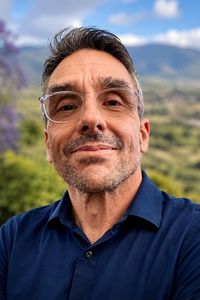
Background
Edward Codelia's career experience includes working as a real estate professional.[1]
In their own words
Who are you? Tell us about yourself.
I am a nonpartisan candidate for Congress because I believe the people of Hawaiʻi deserve independent representation focused on accountability rather than party politics. My campaign emphasizes transparency, responsible government, disaster preparedness, infrastructure, and ensuring that federal resources are used effectively to serve the people of Hawaiʻi.
Please list below 3 key messages of your campaign. What are the main points you want voters to remember about your goals for your time in office?
Protect Hawaiʻi's future by preserving what makes our islands unique. Hawaiʻi's natural environment, cultural heritage, and local communities must be respected in every federal decision. Economic growth should never come at the expense of our land, water, historic sites, or the traditions that define our islands. I will support policies that protect our natural resources while ensuring future generations can continue to live, work, and thrive in Hawaiʻi.Make Hawaiʻi more affordable by addressing the unique challenges of island living. Families face some of the nation's highest costs for housing, food, energy, transportation, and healthcare. I will advocate for federal policies that reduce unnecessary costs, improve supply chain resilience, strengthen local agriculture, expand access to healthcare, and invest in infrastructure that supports sustainable economic opportunity throughout our island communities.Build a stronger and more resilient Hawaiʻi through disaster preparedness, infrastructure investment, and accountability. The Maui wildfires demonstrated the need for better planning, stronger infrastructure, improved emergency communications, and effective coordination between all levels of government. I will work to secure federal resources that improve disaster mitigation, modernize critical infrastructure, protect public safety, and ensure federal recovery efforts are transparent, accountable, and focused on long-term resilience rather than short-term solutions.
What areas of public policy are you personally passionate about?
I am passionate about public policies that strengthen Hawaiʻi's future while preserving what makes our islands unique. My priorities include environmental stewardship, cultural preservation, disaster preparedness and mitigation, resilient infrastructure, housing affordability, healthcare access, and reducing the high cost of island living. I believe federal policy should reflect Hawaiʻi's unique geography and challenges by supporting sustainable communities, protecting our natural resources, improving economic opportunity, and ensuring government is transparent, accountable, and focused on measurable results for the people it serves.
Who do you look up to? Whose example would you like to follow, and why?
I have been fortunate to witness outstanding public servants from both political parties. I admire former Governor Linda Lingle for her leadership during two terms as Mayor of Maui County and two terms as Governor of Hawaiʻi. I respect Tulsi Gabbard for her accomplishments in public service, and I greatly admire Senators Daniel Inouye and Daniel Akaka, who consistently put Hawaiʻi and its people first throughout their careers. I also admire Patsy Mink for her groundbreaking achievements in Congress and her lasting impact on education and equal opportunity. Their dedication to public service and to Hawaiʻi is an example I hope to follow.
What characteristics or principles are most important for an elected official?
Integrity, honesty, accountability, transparency, and humility. An elected official should listen to constituents, respect the Constitution, make decisions based on facts rather than political pressure, and always remember they work for the people—not political parties, special interests, or themselves.
What do you believe are the core responsibilities for someone elected to this office?
A member of Congress should represent the people of the district, protect the Constitution, provide effective oversight of the federal government, develop sound public policy, ensure responsible use of taxpayer dollars, and advocate for the unique needs of Hawaiʻi while working in the nation's best interest.
What legacy would you like to leave?
I hope my legacy is helping create a Hawaiʻi where the families who built these islands can afford to return home—not only to live, but to thrive. A Hawaiʻi that preserves its culture, protects its environment, and invests in future generations. I want Hawaiʻi to become a more self-sustaining island state, with resilient infrastructure, greater food and energy security, responsible stewardship of its natural resources, and an economy that provides opportunity without sacrificing the character of our communities. If future generations inherit a stronger, safer, and more affordable Hawaiʻi, I will consider my service a success.
What was your very first job? How long did you have it?
My first jobs were shoveling snow in the winter, raking leaves in the fall, and mowing lawns during the summer in my neighborhood. As I got older, I took on several newspaper routes, which taught me responsibility, discipline, customer service, and the importance of keeping commitments. Those early experiences showed me the value of hard work, earning what you have, and taking pride in serving others—lessons that have guided me throughout my life and career.
What is something that has been a struggle in your life?
One of my greatest struggles has been watching ordinary people work hard and still fall behind. I have seen local families in Hawaiʻi struggle with the cost of living, housing, healthcare, and basic services while government often seems to serve itself before the people. I have also struggled with seeing residents treated as if they are secondary to outside interests in their own home. Those experiences shaped my belief that public service must protect the vulnerable, stand up to bullies, demand accountability, and ensure that government works for the people who elect it.
What qualities does the U.S. House of Representatives possess that makes it unique as an institution?
The House of Representatives is the branch of Congress closest to the people. Its members are elected every two years, making them directly accountable to their constituents. The House has the unique responsibility of initiating revenue legislation, exercising oversight of the executive branch, and ensuring that every congressional district has a direct voice in the federal government. That close connection to the people is what makes the House unique.
What do you perceive to be the United States' greatest challenges as a nation over the next decade?
The United States faces significant challenges in restoring trust in government, reducing the national debt, strengthening infrastructure, securing our borders, preparing for natural disasters, maintaining economic competitiveness, and addressing the rising cost of living. We must also ensure that states like Hawaiʻi receive policies that recognize their unique geography, strategic importance, and economic challenges rather than relying on one-size-fits-all solutions.
Do you believe that compromise is necessary or desirable for policymaking?
Compromise is often necessary to move legislation forward, but it should never require sacrificing constitutional principles, integrity, or the public interest. Effective policymaking requires listening, respecting differing viewpoints, and finding practical solutions while remaining accountable to the people you were elected to serve.
What was the first historical event that happened in your lifetime that you remember?
One of the earliest historical events I clearly remember was the Apollo 11 Moon landing. Watching humanity reach the moon demonstrated what can be accomplished through innovation, determination, and national purpose.
On the 2026 ballot
Links
Compiled from the candidate’s published profile as of September 30, 2026.
Source(opens in new tab)