
Background
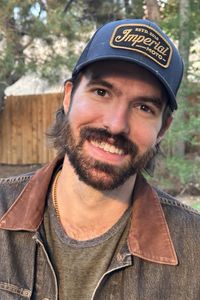
Devin Poore (Cascade Party) ran for election to the U.S. House to represent Washington's 4th Congressional District. Poore lost in the primary on August 4, 2026.
Campaign money
- Raised
- $0
- From individuals
- $0
- From PACs & party
- $0
- Own money
- —
FEC filings.
View on FEC.gov(opens in new tab)Campaign themes
Devin Poore did not complete [the profile publisher]'s 2026 Candidate Connection survey.
blockquote{border-left:none !important;padding-left:2em;position:relative;color:#444;font-family:"Libre Franklin",Helvetica,Arial,sans-serif;font-size:16px;color:#202122;font-style:normal;}blockquote::before{content:open-quote;font-size:3em;line-height:0.1em;position:absolute;left:-10px;top:40px;color:#ccc}blockquote::after{content:close-quote;font-size:3em;line-height:0.1em;position:absolute;right:0;bottom:0;color:#ccc}
Campaign websitePoore's campaign website stated the following:Anti-Corruption Campaign PillarsThese reforms work together to change the incentives that create mediocre, donor-dependent politicians. They make it possible for new leaders who actually fight for their constituents to win.Public Funding of ElectionsThe dominance of big money in our political system has transformed our democracy, weakening the voices of everyday voters while elevating the concerns of corporate donors and wealthy elites. When campaigns are primarily funded by such special interests, elected officials inevitably serve those who fund their campaigns rather than the constituents they're supposed to represent. This is not a bug in the system. For the small group of well-connected and deep-pocketed insiders who have never had it so good, this is a feature. It is the system working exactly as intended.Public funding of elections would drown out this one-sided dominance by providing honest candidates with the resources they need to run competitive campaigns. Running for office federally is expensive and it has been made even more costly by the tremendous influx of outside and SuperPAC spending. Ever more expensive campaigns act as yet another political barrier to entry for normal Americans. By amplifying small-dollar donations with matching funds, issuing campaign dollar vouchers to voters, and making campaign funding grants available, we can ensure that candidates who represent the people - not just the wealthy - have a fighting chance.When working-class voters can direct public campaign dollars to candidates they believe in, their voices will finally compete on equal footing with corporate lobbyists and billionaires. About damn time.Congressional Term LimitsCareer politicians who spend decades in Washington inevitably become creatures of the system rather than servants of the people. The longer someone serves without interruption, the more dependent they become on our system's corrupt fundraising apparatus and the cozier their relationships get with lobbyists. They become more invested in protecting their own power rather than focusing on common sense, popular solutions for the American people.Consecutive term limits would break this cycle of entrenchment while preserving democratic choice. After serving for a set number of terms, members of Congress would be required to step away for at least one term - to return home, live under the laws they've passed, and work jobs in the communities they've been representing from afar. If they've truly served their constituents well during their time in office, voters can choose to send them back after their time at home.This creates healthy competition and accountability. Term-limited incumbents can't coast on name recognition and fundraising advantages indefinitely. They must continually earn their seat, knowing that their forced break creates an opening for fresh voices. Meanwhile, new representatives arrive knowing they have limited time to make their mark, which focuses them on running relevant, issues-based campaigns and delivering results once in office.A Congress with regular rotation between service and civilian life would better understand the real-world impact of its decisions. It would also be far less susceptible to sustained influence campaigns by perennial donors.Ban Congressional Stock TradingMembers of Congress have access to privileged information that can move markets and affect the value of individual stocks. When they're allowed to trade on that information - or even just hold individual stocks while making policy decisions - it creates an inherent conflict of interest. How can we trust a representative to vote in the public interest when their personal portfolio stands to gain or lose based on that vote?Banning congressional stock trading is a straightforward reform that eliminates this conflict. Members of Congress can still invest in diversified mutual funds or index funds, but they shouldn't be able to pick individual stocks while making the laws that govern those companies. This isn't about punishing success - it's about ensuring that when our representatives make decisions, they're thinking about what's best for their constituents, not what's best for their stock portfolio.The Central Washington New DealBold policies that give our farmers the tools to compete, remove barriers to progress across the district, and build local resilience from the ground up.Rural Energy IndependenceIncreasing farm resilience & keeping energy costs downTurn crisis into opportunity: With over 1,300 farm closures across CD4 in recent years and rising energy costs, we must invest in dual-use renewable capacity on farmland, giving family farmers predictable revenue from clean energy while they continue operating their farms.Stabilize farm economics: Agrivoltaic systems provide farmers a diversified, sustainable revenue stream that relieves pressure from rising input costs and creates stability for the next generation of rural agriculture.Strengthen our grid and local economy: Decentralized, locally-owned renewable energy reduces grid vulnerability, keeps costs down, and ensures datacenter investment dollars stay in Central Washington communities instead of flowing to distant corporations.Community wins all around: Farmers gain economic relief, rural communities keep energy investment local, our grid becomes more resilient, and we address the energy demands of the future without sacrificing the agricultural foundation of our region.STOP TAXING PROGRESSInvest in your land without penaltyReward community investment, not speculation: Today's property tax system punishes those who improve their land while rewarding land speculators. That's backwards. We should tax land value instead of improvements. This creates better incentives: farmers and entrepreneurs who invest in their operations thrive, while speculators holding land for appreciation - without contributing to the community - face higher tax costs. Capital flows to productive use instead of vacant land.Keep costs down across the district: By removing the tax penalty on improvements, we reduce barriers to agricultural investment, housing development, and business expansion. Families and farmers keep more of what they earn from their own work and investment.Local experimentation, federal support: This isn't a one-size-fits-all mandate from Washington DC. We'd provide resources to counties and municipalities willing to pilot land value taxation, working closely with local leaders and community members to see what works in Central Washington.Community Food SecurityBuild community strength from the ground upFix a fragile food system: Supply chain disruptions, corporate consolidation, and persistent inflation have exposed the danger of relying on distant systems for food. Corporate monopolies fill shelves with ultra-processed options engineered for profit, while shrinkflation charges families more for less. We need a better path.Build local food resilience: Investing in families' and communities' abilities to grow their own food isn't about replacing national and global trade. It's about building a critical buffer against price swings and supply constraints we can't control. Local production protects us when distant systems fail.Strengthen communities, not just supply chains: When families and neighbors grow food together, we strengthen the bonds that hold communities together: shared traditions, mutual support, and the security of knowing our food banks and household pantries stay full when people need it most.Lower grocery bills and build abundance: Families spend less at the store, communities become more self-sufficient, and distributed local production means more nutritious food that's actually affordable.Other Common Sense PrioritiesWhile this campaign is primarily built around our anti-corruption and New Deal policies, there are additional priorities I will champion when negotiating congressional spending budgets. CD4 faces unique challenges that demand attention and action.Wildfire Prevention & ManagementWildfires and wildfire smoke have consistently been among the most direct threats to the health and safety of Central Washington residents. Year after year, our communities face dangerous air quality, property damage, and the constant anxiety of fire season. This is an environmental issue, a public health crisis, and an economic challenge that affects agriculture, tourism, and quality of life across CD4.We need comprehensive wildfire prevention strategies that include forest management, adequate funding for fire departments and emergency services, community preparedness programs, and long-term climate adaptation planning. Our district's unique geography and climate make us particularly vulnerable, and we need representation in Congress that understands these challenges and fights for the resources to address them.Keeping Public Lands PublicWe are fortunate all across Washington State to have access to some of the most beautiful public lands in the country. A proposal last year sought to transfer significant amounts of land to state control, which was widely viewed as a backdoor to privatization of this land. Fortunately, a bipartisan effort stopped this effort in its tracks.Our economy depends on public land access for agriculture, recreation, and hunting. I'll join the newly formed, bipartisan Congressional Public Lands Caucus to oppose any transfer or sale of these lands and fight for increased federal funding to maintain and improve them.Data Privacy & Digital RightsBig Tech giants and corporate data brokers profit from harvesting and selling your personal information without clear consent. Unchecked data collection threatens everyone's privacy and autonomy. The deployment of these sophisticated data analysis techniques also maximizes the amount of outrageous and divisive content that gets rewarded and boosted across our information landscape. We need strong federal protections against data exploitation.I will advocate for comprehensive data privacy legislation that gives individuals control over their personal information, requires transparency from companies about data practices, and establishes strict penalties for violations. Protecting digital rights is essential in our increasingly connected world.Protecting Rural HealthcareCD4 is distinctly vulnerable to the Medicaid cuts that were passed as a part of the GOP's OBBB. While some of these cuts don't take effect until after the midterms next year - a purely cynical political calculation - their impact on our district will be devastating. Rural communities, agricultural workers, and families across Central Washington depend on Medicaid for essential healthcare services.In CD4, nearly 40% of our population relies on medicaid funding for their healthcare needs. 70% of those under the age of 19 rely on these funds. Rural hospitals and clinics will be in grave danger throughout Central Washington unless Medicaid funding is restored.— Devin Poore's campaign website (July 20, 2026)Note: This text is quoted verbatim from the original source. Any inconsistencies are attributable to the original source.
On the 2026 ballot
Links
Compiled from the candidate’s published profile as of September 30, 2026 and FEC filings.
Source(opens in new tab)