
Background
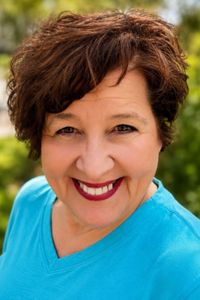
Christine Maltese graduated from Mother Guerin High School. Maltese earned a bachelor's degree from Roosevelt University.
Maltese's career experience includes working as a systems analyst.[1]
- Bachelor's:
- Roosevelt University
- High school:
- Mother Guerin High School
In their own words
Who are you? Tell us about yourself.
I’m Christine Maltese, a wife, technology professional, and first-time candidate for Wisconsin State Assembly because I believe our communities deserve a representative who listens before making decisions. I’ve spent my career solving problems, first in hospitality and now in information technology, where I help organizations keep critical systems running. My path has taken me from working as a pastry chef to earning my degree and building a career in IT, proving that hard work and determination can open new doors at any stage of life.
I’m not a career politician. I’m someone who believes government should be practical, accountable, and focused on the people it serves. I’m running to strengthen our public schools, support working families and small businesses, improve access to affordable healthcare, protect our rural communities, and ensure Wisconsin remains a place where the next generation can build a future. My commitment is simple: I will listen, work across differences when possible, and always put the people of the 72nd Assembly District first.
Please list below 3 key messages of your campaign. What are the main points you want voters to remember about your goals for your time in office?
I'm running for the Wisconsin State Assembly because I believe the people of the 72nd District deserve a representative who listens before making decisions. I'm not a career politician. I've spent my career solving problems, working with people from different backgrounds, and finding practical solutions. My experiences—from working as a pastry chef to building a career in information technology—have taught me that respect, hard work, and accountability matter. I will always be accessible, honest, and willing to have conversations, even when we don't agree. My responsibility is to represent the people of this district, not special interests or political parties.Strong communities begin with strong public schools, affordable healthcare, and good-paying jobs. Every family deserves the opportunity to succeed, whether they live in one of our cities, villages, or rural communities. I support investing in public education, expanding workforce training and apprenticeships, improving access to healthcare, and helping local businesses grow. We must make it easier for young families to stay in Wisconsin and for older adults to remain in the communities they've helped build. When our communities thrive, Wisconsin thrives.**Key Message #3 – Common Sense for the Future**
Wisconsin faces new challenges that require thoughtful, practical leadership. Technology, including artificial intelligence, creates incredible opportunities, but it also requires commonsense guardrails that protect privacy, workers, and consumers. I believe government should be transparent, fiscally responsible, and focused on solving problems instead of creating division. I'll work with anyone who has good ideas, regardless of political party, because progress comes from collaboration, not confrontation. My goal is simple: leave Wisconsin stronger for the next generation than it was for ours.
What areas of public policy are you personally passionate about?
Wisconsin faces new challenges that require thoughtful, practical leadership. Technology, including artificial intelligence, creates incredible opportunities, but it also requires commonsense guardrails that protect privacy, workers, and consumers. I believe government should be transparent, fiscally responsible, and focused on solving problems instead of creating division. I'll work with anyone who has good ideas, regardless of political party, because progress comes from collaboration, not confrontation. My goal is simple: leave Wisconsin stronger for the next generation than it was for ours.
Who do you look up to? Whose example would you like to follow, and why?
I admire people who lead with humility and service rather than seeking recognition. Throughout my career, I've worked with teachers, first responders, military veterans, healthcare workers, and community volunteers who quietly make a difference every day. Those are the people I try to emulate. They show up, do the work, and put others before themselves. If I had to follow one example, it would be theirs. Leadership isn't about having all the answers—it's about listening, learning, and earning the trust of the people you serve.
What characteristics or principles are most important for an elected official?
Integrity, accountability, and the willingness to listen are the qualities I value most in an elected official. Public office is a position of trust, not power. Representatives should be honest with their constituents, even when the conversations are difficult, and they should be willing to admit when they don't have all the answers. I also believe respect matters. We don't all have to agree, but we should be able to work together to solve problems. My goal is to make decisions based on facts, common sense, and what's best for the people I represent—not political pressure or special interests.
What do you believe are the core responsibilities for someone elected to this office?
The primary responsibility of a state representative is to serve the people of their district. That means listening to constituents, understanding how legislation will affect their daily lives, and making informed decisions that strengthen our communities. An elected official should be accessible, transparent, and accountable while working to improve public education, support economic opportunity, protect taxpayers, expand access to affordable healthcare, and ensure government operates responsibly. My job is to represent the people of the 72nd District and make sure their voices are heard in Madison.
What legacy would you like to leave?
I hope to leave a legacy of trust. I want people to say that I listened, that I treated everyone with respect, and that I worked every day to make Wisconsin a little stronger than I found it. If I can help strengthen our public schools, improve opportunities for working families, support our rural communities, and encourage a more thoughtful, respectful way of solving problems, then I'll consider my time in office well spent. My success won't be measured by headlines—it will be measured by the positive difference made in people's lives.
What was your very first job? How long did you have it?
My first job was at a neighborhood grocery store, where I started working as a freshman in high school and stayed until I graduated. It was much more than just a paycheck. I learned the importance of showing up on time, working as part of a team, and providing good customer service. One of the best parts of the job was getting to know the people I worked with—some of whom I'm still friends with today—and meeting so many people from the community where I grew up. Looking back, it was a wonderful introduction to the value of hard work and the importance of building relationships.
What is something that has been a struggle in your life?
One thing I struggle with is seeing people lose their curiosity. I believe we never stop learning, no matter our age or profession. Some of the greatest lessons I've learned have come from talking with people whose lives and experiences are completely different from my own. Whether I'm learning a new technology, exploring history, or simply listening to someone's perspective, I believe curiosity helps us grow. It challenges our assumptions, builds understanding, and reminds us that we don't have all the answers. I try to approach every day with the mindset that there's always something new to learn.
What do you believe is the ideal relationship between the governor and state legislature?
The governor and the state legislature have different constitutional responsibilities, but they share the same obligation: to serve the people of Wisconsin. The ideal relationship is one built on mutual respect, open communication, and a willingness to work together, even when there are policy disagreements. Healthy debate is part of democracy, but governing by constant conflict or political gamesmanship doesn't serve the public. The legislature should thoughtfully consider the governor's proposals, and the governor should respect the role of the legislature as the voice of Wisconsin's diverse communities. When both branches focus on solving problems rather than scoring political points, Wisconsin is stronger.
What do you perceive to be your state's greatest challenges over the next decade?
I believe Wisconsin's greatest challenge over the next decade is creating opportunities that allow people to build their future here. Too many communities are struggling with workforce shortages, access to affordable healthcare, rising costs, aging infrastructure, and declining rural populations. At the same time, our schools must be adequately funded so every child has the opportunity to succeed, regardless of where they live. We must also prepare for emerging technologies like artificial intelligence by encouraging innovation while putting sensible guardrails in place to protect workers and consumers. If we invest in education, strengthen our workforce, support rural communities, and govern responsibly, Wisconsin will remain a place where families, businesses, and future generations can thrive.
Do you believe that compromise is necessary or desirable for policymaking?
Compromise is an essential part of effective policymaking, but it should never come at the expense of your core principles or the people you represent. No one gets everything they want in the legislative process, and that's why listening, respectful debate, and a willingness to find common ground are so important. I believe the best solutions often come from bringing together different perspectives. At the same time, I won't compromise on issues involving integrity, transparency, public trust, or fundamental rights. My goal is to work with anyone who is willing to solve problems and improve the lives of the people of the 72nd District.
What was the first historical event that happened in your lifetime that you remember?
The first major historical event I remember was the end of the Vietnam War. I was young, but I remember watching the television coverage of people climbing onto the roof of the U.S. Embassy in Saigon, desperately trying to reach the helicopters leaving the city. Those images stayed with me for years.
Many years later, I had the opportunity to travel to Vietnam for work. While visiting Ho Chi Minh City, I took a tour that included the building where those helicopters departed. Standing on that rooftop, I couldn't help but think back to the images I had seen as a child. It reminded me that history isn't just something we read about in books—it's experienced by real people, and understanding it gives us perspective and compassion.
On the 2026 ballot
Links
Compiled from the candidate’s published profile as of September 30, 2026.
Source(opens in new tab)