
Background
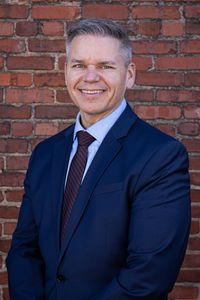
Chaney Mosley served in the U.S. Army. He earned a high school diploma from Eagleville High School, a bachelor's degree from Middle Tennessee State University, and a Ph.D. from Virginia Tech. His career experience includes working as an educator.[1]
- Ph.D:
- Virginia Tech
- Bachelor's:
- Middle Tennessee State University
- High school:
- Eagleville High School
Campaign money
- Raised
- —
- From individuals
- $0
- From PACs & party
- $0
- Own money
- —
FEC filings.
View on FEC.gov(opens in new tab)In their own words
Who are you? Tell us about yourself.
I’m a fourth-generation Tennessean, a Christian, a husband, a father of three boys, a teacher, and a veteran. Faith, family, and freedom are the values that guide me. I grew up in Eagleville and graduated from a small K–12 public school. I lost my father, a Marine, truck driver, and my Cub Scout leader, when I was in second grade, and my mother raised our family on her own while working multiple jobs. Like many families, we relied on our community, and that shaped who I am.
I began my career as a high school agriculture teacher and now teach agriculture at Middle Tennessee State University. On September 11, 2001, I was teaching my second-period class when our country was attacked. Eleven days later, I enlisted in the United States Army and served for 15 years, including in the Reserves and Tennessee Army National Guard.
I decided to run for Congress after a workforce project I was leading to connect rural Tennesseans to careers was abruptly terminated by the federal government. When I asked for help from elected officials, nothing happened. That’s when I knew I had to step up.
I’m running because I think about my boys and all of Tennessee’s young people and the future they deserve. My mom bought a home and built a life for our family, but today that American Dream feels out of reach. I’m running as a Democrat, but I will serve as a Congressman for everyone. I don’t claim to have all the answers, but I will listen, show up, and work alongside the people of this district.
Please list below 3 key messages of your campaign. What are the main points you want voters to remember about your goals for your time in office?
Making Life More Affordable
Families across Tennessee are working harder than ever, but it’s getting harder just to get by. The cost of housing, healthcare, groceries, childcare, and energy keeps rising while wages struggle to keep up. I hear it from parents, farmers, veterans, and small business owners across this district. If you’re working hard, you should be able to get ahead, not just get by. I’m running to lower everyday costs, expand access to affordable healthcare, and support policies that put more money back in the pockets of working families. We need an economy that rewards work, restores stability, and makes the American Dream feel possible again.Strengthening Education & Work Opportunities
Every path should be a real path to success. As a teacher and workforce educator, I’ve spent my career helping students and working adults build skills that lead to good-paying, in-demand jobs. We need to expand career and technical education, support our teachers, and strengthen partnerships between schools, community colleges, and local employers. Whether it’s college, skilled trades, or going straight into the workforce, every Tennessean should have a clear pathway forward. When we invest in people, modernize training, and align education with real workforce needs, we create opportunity, strengthen families, and build a stronger economy for the future.Investing in Rural Communities & Agriculture
Rural communities are the backbone of Tennessee, but too often they are left behind. I’m from rural Tennessee, and I understand the challenges and the opportunities. Farmers are facing rising input costs, small towns are losing access to healthcare and childcare, and too many communities lack the infrastructure they need to grow. We need investment in rural infrastructure, support for farmers, and policies that strengthen local economies. At the same time, rural and urban communities depend on each other, and we are strongest when we work together. From our farms to our cities, every community deserves access to opportunity, resources, and a future they can build on.
What areas of public policy are you personally passionate about?
I’m passionate about government accountability, ethics reform, and restoring trust between the American people and their government. Too many people feel like the system isn’t working for them, and in many cases, they’re right. We need meaningful congressional reform that brings balance and accountability back to government, including reducing the influence of money in politics, strengthening ethics standards, and ensuring elected officials are focused on serving the people, not themselves.
That belief comes from a lifetime of public service. I believe in a government that listens, shows up, and is accountable to the people it represents, because that’s how we rebuild trust and move forward together.
Who do you look up to? Whose example would you like to follow, and why?
I look up to my mother more than anyone. After my father passed away when I was young, she raised our family on her own while working multiple jobs. She showed me what hard work, sacrifice, and resilience really look like. She didn’t talk about values, she lived them, and everything I believe about responsibility, service, and perseverance comes from her.
I also look up to the people who serve quietly in our communities. Teachers, veterans, farmers, and working families who show up every day, do their jobs, and take care of others without recognition. Their example reminds me that leadership isn’t about titles or power, it’s about showing up, doing the work, and putting others first.
That’s the example I try to follow in my own life and in public service.
What characteristics or principles are most important for an elected official?
The most important qualities in an elected official are integrity, accountability, and a commitment to serve others. People deserve leaders who are honest, who follow through on what they say, and who remember that public office is about service, not power.
An elected official should be willing to listen, especially to people who disagree with them, and work to bring people together to solve real problems. They should be grounded in their values, guided by a sense of responsibility, and focused on improving people’s lives, not getting caught up in political division.
At the end of the day, it comes down to trust. If people can trust you to show up, to listen, and to act in their best interest, you can make a real difference.
What do you believe are the core responsibilities for someone elected to this office?
The core responsibility of a member of Congress is to serve the people of their district with integrity, accountability, and a commitment to putting people first. That means listening to constituents, understanding their needs, and working to pass legislation that improves their daily lives.
It also means being present and accessible, showing up in communities, and making sure every voice is heard, not just the loudest or most powerful. Members of Congress have a duty to provide oversight, ensure taxpayer dollars are used responsibly, and hold government accountable.
Above all, this role is about service. It’s about doing what’s right for the people you represent, even when it’s not the easiest or most political decision.
What legacy would you like to leave?
I want to leave a legacy of service and impact. I want people to be able to say that I showed up, I listened, and I worked to make their lives better. Not for recognition, but because it was the right thing to do.
I want to help restore trust in government by proving that it can work for the people it represents. That means bringing people together, focusing on real solutions, and making decisions that improve everyday life for families across this district.
Most importantly, I want my kids, and all of Tennessee’s young people, to grow up in a country where hard work matters, opportunity is real, and the American Dream is within reach. If I can help move us closer to that, then I’ve done my job.
What was your very first job? How long did you have it?
My first experience working was as a volunteer at a summer Bible school when I was in junior high, where I served as the recreation director for elementary-aged kids. I did that for multiple summers. I had attended Bible schools growing up, and it was something I really enjoyed. A neighbor who helped lead the program would pick me up each day and take me home. That experience was one of the first times I was given real responsibility, and it left a lasting impression on me.
My first paid job came later as a host at a restaurant, which I held for about six weeks before moving on to a job that offered more hours. It was my first experience working with the public and being accountable to an employer, and it reinforced those early lessons about responsibility and work ethic.
What is something that has been a struggle in your life?
One of the biggest struggles I’ve faced in my life has been with my weight and overall health. As a young adult, I was told by a military recruiter that I wouldn’t be able to serve because of it. That was a difficult moment, but it also pushed me to make a change.
Through discipline and hard work, I lost the weight and was able to enlist in the United States Army shortly after September 11. Over time, that commitment to a healthier lifestyle led me to start running, eventually completing marathons and even an Ironman triathlon.
That experience taught me resilience, accountability, and the value of setting goals even when the path forward isn’t easy. It’s a reminder that growth often comes from challenge, and that with effort and support, people can overcome obstacles and move forward.
What qualities does the U.S. House of Representatives possess that makes it unique as an institution?
The U.S. House of Representatives is unique because it is designed to be the closest branch of the federal government to the people. With members elected every two years and smaller districts, representatives are expected to stay connected to the everyday concerns of their communities.
It’s also an institution built on representation and debate. The House brings together voices from across the country, with different perspectives, backgrounds, and priorities, and requires them to work through those differences to move policy forward.
At its best, the House reflects the diversity, challenges, and opportunities of the nation. Its strength comes from being responsive, accountable, and grounded in the lives of the people it serves.
What do you perceive to be the United States' greatest challenges as a nation over the next decade?
One of the greatest challenges we face as a nation over the next decade is whether working families can still get ahead. The rising cost of living, access to affordable healthcare, and the need for stable, good-paying jobs will shape whether people feel secure in their future.
We also face a growing disconnect between the American people and their government. Restoring trust will require greater accountability, transparency, and a renewed focus on serving the public, not political interests.
Finally, we must bridge the divisions that are holding us back. We are a country with different backgrounds, beliefs, and perspectives, but we share a common future. If we can focus on practical solutions, invest in our people, and work together, we can meet these challenges and build a stronger, more united nation.
Do you believe that compromise is necessary or desirable for policymaking?
Yes, I believe compromise is both necessary and desirable in policymaking, as long as it’s grounded in principles. In a country as diverse as ours, no one side is going to get everything they want, and progress often comes from working through differences to find common ground.
At home, my husband and I are raising three boys, and we make them compromise all the time, whether it’s agreeing on what to watch or how to spend their time. As a teacher, I’ve seen the same thing in the classroom. When students work together, they have to listen, adjust, and find a way forward.
Those experiences reinforce what I believe about leadership. Compromise is not about giving up your values, it’s about respecting others, finding common ground, and getting things done. That’s what the American people expect, and it’s what we need more of in Washington.
What organizations or individuals have endorsed your campaign?
Young Progressives Project
What was the first historical event that happened in your lifetime that you remember?
The first historical event I remember is the Space Shuttle Challenger disaster. Like many students, I watched it unfold at school. I didn’t fully understand what had happened, but I remember the shock in the room and knowing something was wrong.
What stayed with me was that there was a teacher on board. I had a teacher sitting right in front of me, and I remember thinking about her, and what it would mean if something like that happened to her. That made it real in a way I had never experienced before.
It was one of the first moments where I understood that the people we look up to, especially teachers, are willing to take on big responsibilities to inspire others.
On the 2026 ballot
Links
Compiled from the candidate’s published profile as of September 30, 2026 and FEC filings.
Source(opens in new tab)