
Background
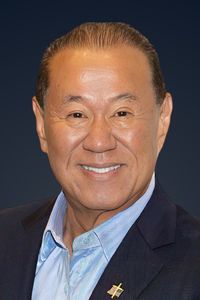
Ché Ahn earned a bachelor's degree from the University of Maryland and a graduate degree from the Fuller Theological Seminary. His career experience includes working as a pastor.[1]
- Graduate:
- Fuller Theological Seminary
- Bachelor's:
- University of Maryland
In their own words
Who are you? Tell us about yourself.
I am Dr. Ché Ahn, a husband, father, pastor, and immigrant who has spent more than 40 years serving California as a faith leader and community builder. Born in South Korea after the war, my family immigrated legally to the United States seeking freedom and opportunity. I have lived that American dream, earning advanced degrees, leading churches, and helping families flourish. Today, my wife Sue and I live in Pasadena surrounded by our children and grandchildren, and I am stepping forward to serve California with the courage to lead and the vision to reform.
California is broken because of failed leadership. In 2020, I stood in an empty sanctuary preaching to a camera while the state fined churches for worshipping—treating believers as threats while tolerating riots. Our government now punishes the righteous while excusing lawlessness, enabling homelessness, driving businesses away, and undermining families.
My campaign is built on Faith, Family, and Freedom. I am pro-life—committed to protecting the vulnerable, expanding access to quality healthcare, and reducing inequality so no family is left behind. I will defend Parental Rights in education, uphold Law & Order that guarantees equal justice for all, and address homelessness with both compassion and accountability. California can once again be a state where every family has the opportunity to thrive.
Learn more at che4ca.com
Please list below 3 key messages of your campaign. What are the main points you want voters to remember about your goals for your time in office?
Faith
California is at a crossroads. Just a few years ago, churches were fined and pastors threatened simply for gathering in worship, while riots and lawlessness were tolerated. When government punishes the righteous and protects the lawless, it abdicates moral authority. I will lead with Faith—defending religious freedom, protecting the vulnerable, and ensuring Law & Order so that believers and communities can serve, heal, and rebuild without fear.Family
Families are the foundation of California. I am pro-life—committed to protecting the vulnerable, improving healthcare, and reducing inequality so no family is left behind. I will defend Parental Rights in education, support parents in shaping their children’s future, and strengthen opportunities for children. Our communities thrive when families are strong, homes are secure, and every generation has the opportunity to flourish.Freedom
California must be a place where liberty is honored and opportunity restored. Excessive regulations, destructive energy policies, and homelessness have displaced justice and opportunity. I will champion small business, lower costs, restore integrity to public projects, and uphold Law & Order that guarantees equal justice for every community. With bold leadership and a renewed vision, we can protect Freedom and rebuild California’s strength.
What areas of public policy are you personally passionate about?
I am passionate about restoring Faith, Family, and Freedom as guiding values for California. My priorities include being pro-life by protecting the vulnerable and improving healthcare, defending Parental Rights in education, upholding Law & Order that guarantees equal justice, and addressing homelessness and affordability. I believe in Compassionate Justice: leadership that reduces inequality, empowers families, and governs with both integrity and mercy. California must be a state where every generation has the opportunity to thrive.
Who do you look up to? Whose example would you like to follow, and why?
I look up to leaders who served with courage and compassion—like Billy Graham, who never compromised his faith yet always extended grace, and Ronald Reagan, who led with optimism and conviction. Their examples remind me that leadership is about character and serving people, not just holding office.
What characteristics or principles are most important for an elected official?
Integrity, courage, and compassion are essential. Leaders must serve people, not themselves, and model accountability in both private and public life. I believe elected officials should lead with Faith, Family, and Freedom—protecting the vulnerable, defending parental rights, and ensuring law and order so that every Californian can flourish.
What do you believe are the core responsibilities for someone elected to this office?
The governor must be a steward of justice, order, and opportunity. That means ensuring equal application of the law, addressing homelessness and affordability, protecting children and families, and managing state resources responsibly. Leadership requires balancing compassion with accountability, so California becomes a safe, fair, and thriving state for all.
What legacy would you like to leave?
I want to leave a legacy of restoring Faith, Family, and Freedom in California. My hope is that future generations will inherit a state that protects parental rights, upholds law and order, values life, and ensures opportunity for all. More personally, I want my children and grandchildren to say I loved God, served people, and stood courageously for truth.
What is the first historical event that happened in your lifetime that you remember? How old were you at the time?
I vividly remember watching the Vietnam War unfold on television as a child. I was about ten years old, and it left a deep impression on me about the cost of war, the value of freedom, and the sacrifices families make for liberty.
What was your very first job? How long did you have it?
My first job was as a janitor at my father’s church when I was a teenager. I swept floors, cleaned bathrooms, and set up chairs for services. It wasn’t glamorous, but it taught me humility, hard work, and the importance of serving others no matter the task. I held that role for about two years, and those lessons still guide me today.
What is your favorite book? Why?
My favorite book is the Bible. It has been my source of wisdom, courage, and vision throughout my life. Its teachings on justice, compassion, and leadership shape my understanding of public service and guide every major decision I make.
If you could be any fictional character, who would you want to be?
I would want to be Atticus Finch from To Kill a Mockingbird. He embodies integrity, courage, and compassion—standing for truth and justice even when it was unpopular or costly. His example reflects the kind of leadership I believe California needs: moral clarity, commitment to fairness, and the courage to defend what is right while showing compassion to those who are vulnerable.
What is something that has been a struggle in your life?
As an immigrant, I struggled with identity and belonging when I first came to America. Learning English, adjusting to a new culture, and facing prejudice were difficult. But those struggles shaped me into someone who understands both the challenges and the opportunities of this nation.
Governors have many responsibilities, which vary from state to state. Which of those do you personally consider the most important in your state?
California’s greatest need is restoring trust in leadership. For me, the most important responsibility is upholding Law & Order fairly and protecting families. This includes addressing crime, homelessness, and affordability while safeguarding Parental Rights in education and being pro-life in protecting the vulnerable. Leadership must provide both security and opportunity.
Different states require governors to have different degrees of responsibility for the state budgeting process. If it were your choice, what do you believe is the appropriate degree of gubernatorial involvement with this process in your state?
The governor should take a strong role in the budgeting process, setting priorities that reflect fiscal discipline, transparency, and fairness. California has been burdened with wasteful spending and failed projects like high-speed rail. A governor must ensure that taxpayer dollars are used wisely to strengthen families, communities, and infrastructure.
In most states, governors have the power to make line-item vetoes. If that is true in your state, what would be your philosophy for how and when to use this power?
Line-item veto power is a tool for accountability. I would use it to cut waste, protect taxpayers, and ensure that budgets reflect California’s real priorities—families, education, safety, and infrastructure. I would not use it to score political points but to guarantee fiscal responsibility and integrity in government.
What do you believe is the ideal relationship between the governor and state legislature?
The governor and legislature should work as partners in service of the people, not as adversaries. That means honest communication, respect for differing perspectives, and a shared commitment to solving real problems—like affordability, crime, and education. The governor should lead with vision while collaborating with legislators to deliver results.
What do you love most about your state?
I love California’s diversity, creativity, and natural beauty. From our coastline to our mountains, from innovation hubs to farming valleys, California is a place of opportunity and hope. What I love most is the people—resilient, resourceful, and ready for leadership that restores faith, family, and freedom as guiding values.
What do you perceive to be your state's greatest challenges over the next decade?
Our greatest challenges are restoring Law & Order, solving homelessness, lowering the cost of living, and rebuilding trust in leadership. California must also strengthen education while defending Parental Rights. If we fail to address these issues, families will continue leaving the state. With bold, compassionate leadership, we can turn this around.
Under what circumstances should the governor of your state be able to use emergency powers?
Emergency powers should be reserved for genuine crises—natural disasters, public safety threats, or imminent dangers that require immediate response. They must never be used to undermine constitutional freedoms, shut down houses of worship, or bypass accountability. Emergencies require leadership, but freedom and justice must always be protected.
What organizations or individuals have endorsed your campaign?
Endorsements are currently being finalized. Community leaders, faith-based organizations, and grassroots coalitions have pledged their support, including leaders across Santa Cruz, Monterey, Santa Clara, and San Mateo counties. A full list will be released publicly as endorsements are confirmed.
Do you support or oppose changes to the current state ballot initiative process? If so, what kind of changes would you consider?
The ballot initiative process should remain a way for citizens to have a voice. I support reforms that ensure transparency in funding, clear ballot language, and limits on outside influence. The process must reflect the will of the people, not special interests, while protecting voter access and fairness.
A governor is the top executive authority in his or her state. What does that mean to you?
To me, being governor means shouldering responsibility for the wellbeing of 39 million people. It requires vision, courage, and humility—leading not by political expediency but by principle. The governor sets the tone for justice, economic health, and family security, ensuring that California lives up to its promise of freedom and opportunity.
Candidates hear many personal stories from voters. Is there a story that you’ve heard that you found particularly touching or memorable?
A mother once shared with me how her son struggled in school because his learning needs weren’t being met, and she felt powerless to advocate for him. Her story reinforced for me the importance of parental rights and reforming education so every child has the opportunity to succeed.
What is an accomplishment that you are proud of?
I am proud of helping lead a successful defense of religious freedom in California during the pandemic, when churches were fined and threatened for gathering. By standing firm, we won a landmark case that affirmed the constitutional right to worship. That victory wasn’t just for churches—it was for every Californian who values freedom.
What role should your state’s government have in the development or use of artificial intelligence?
The state should encourage innovation while ensuring safety, privacy, and ethical standards. Artificial intelligence can transform education, healthcare, and infrastructure, but it must never be used to erode freedoms or parental rights. California should lead in technology while safeguarding jobs, protecting vulnerable communities, and ensuring accountability.
What legislation would you want to sign related to election administration in your state?
I would sign legislation that ensures elections are secure, transparent, and accessible. This includes maintaining voter ID protections, securing ballot harvesting practices to prevent abuse, strengthening auditing processes, and supporting community-based voting centers, including churches. Every Californian should have confidence that their vote is counted fairly.
On the 2026 ballot
Links
- Campaign X(opens in new tab)
- Personal X(opens in new tab)
- Campaign tiktok(opens in new tab)
- Personal tiktok(opens in new tab)
- Campaign website(opens in new tab)
- Campaign youtube(opens in new tab)
- Personal website(opens in new tab)
- Personal youtube(opens in new tab)
- Campaign facebook(opens in new tab)
- Personal facebook(opens in new tab)
- Personal linkedin(opens in new tab)
- Campaign instagram(opens in new tab)
Compiled from the candidate’s published profile as of September 30, 2026.
Source(opens in new tab)