
Background
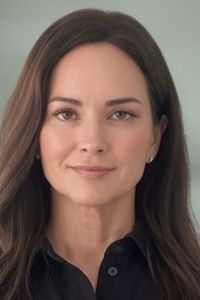
Carey Marin earned a high school diploma from Van Alstyne High School. She earned a bachelor's degree from the University of North Texas. Her career experience includes working as a communications consultant.[1]
- Bachelor's:
- University of North Texas
- High school:
- Van Alstyne High School
In their own words
Who are you? Tell us about yourself.
I’m a small business owner, I’ve been married to my husband, Paul, for 28 years, and I’m a mom of four teenagers. My faith and family are what keep me grounded.
I’m running for House District 2 in South Denver because Colorado has gotten way off track, and I’m concerned about my children’s future. The cost of living is too high, people don’t feel safe and homelessness remains a serious problem.
I’ve spent my career solving problems on complex development projects. As a business owner, when something isn’t working, you identify the problem and fix it. That’s how I run my business, how we raise our family and how I’ll approach serving in the legislature.
I’ll work to get government spending under control, protect the Taxpayer’s Bill of Rights and push back against new taxes and fees on families and small businesses.
I’ll support law enforcement and hold repeat offenders accountable. We shouldn’t accept theft, open drug use and disorder as normal.
We also need an approach to homelessness that addresses underlying problems and measures results. We can be compassionate while expecting accountability and progress.
I’m running to bring fiscal discipline, accountability and a problem-solving mindset to the Capitol. That’s how you get Colorado back on track.
Please list below 3 key messages of your campaign. What are the main points you want voters to remember about your goals for your time in office?
-Lower the cost of living for Colorado families.
The cost of living is the biggest issue I hear about in House District 2. Families are feeling squeezed. They are paying more for groceries, insurance, utilities and housing. And then government adds another fee or mandate on top of it.
Government can’t control every price, but it can control the costs it imposes. Housing is a good example. We can reduce permitting delays and regulatory costs that get passed on to buyers and renters.
Before lawmakers approve another fee or mandate, I will ask: What is this going to cost Coloradans?-Bring accountability and fiscal discipline to state government.
Our government is broken. They keep spending our money without transparency and it's time for accountability. Government has to prioritize, just like families and businesses do. We should fund core responsibilities first—schools, public safety, roads and services for people who genuinely need help—then examine what is overlapping, ineffective or has grown beyond its original purpose. Before asking taxpayers for another dollar, I will ask: Is this working, is it necessary and what are we willing to stop doing?-Restore safety while addressing homelessness with compassion and accountability.
We have spent a lot of money on homelessness. Taxpayers deserve to know what is working and what is not. I will approach this with compassion and accountability. If someone is living on the street because of serious mental illness or addiction, moving that person from one block to another doesn’t solve the problem. We need treatment and a path toward stability, while also addressing open drug use, unsafe encampments and behavior that puts others at risk. Parents should be able to take their children to a South Denver park, and business owners should be able to open their doors safely. Compassion and accountability can go hand in hand.
What areas of public policy are you personally passionate about?
I’m passionate about public safety and protecting TABOR.
Public safety is a fundamental responsibility of government. That means supporting police and first responders and holding repeat and violent offenders accountable. People should feel safe in their neighborhoods, parks and businesses.
TABOR is one of Colorado’s most important taxpayer protections. It gives voters a say before government raises their taxes. That same principle of accountability should apply to fees and mandates that increase costs for Coloradans. Government should be transparent about what the money is for, what it will cost and why it is necessary. Government should answer to taxpayers, not look for ways around them.
Who do you look up to? Whose example would you like to follow, and why?
My grandmother is the person I look up to most. She taught me what unconditional love looks like, the importance of prayer and what it means to live your faith through the way you treat others. Her example has stayed with me throughout my life.
In public life, I admire former U.S. Sen. Ben Sasse’s ability to articulate many of those same values—faith, family, citizenship and strong communities. My grandmother showed me how to live those principles; Sasse has demonstrated how to communicate them thoughtfully in the public square.
What characteristics or principles are most important for an elected official?
Honesty, integrity and transparency. I also think an elected official needs to be able to work with people who see the world differently. You can stand firm in your principles and still listen, treat people with respect and find areas where you can work together.
What do you believe are the core responsibilities for someone elected to this office?
Represent the people of the district, protect taxpayers and be a responsible steward of their money. A legislator should understand the consequences of the laws they pass, ask tough questions and be accountable for the results. The job is to solve problems, not simply create more government.
What legacy would you like to leave?
A better Colorado for my children and the generation that comes after them. For me, that begins with faith, a strong moral compass and a commitment to truth. I want my children to inherit a state where families can thrive, communities are safe and government remembers that it works for the people.
What was your very first job? How long did you have it?
I waited tables for four years to help pay my way through college. It taught me how to work hard, manage competing demands and deal with all kinds of people. It also taught me something I still believe today: good customer service starts with listening to the person in front of you.
What is something that has been a struggle in your life?
Infertility. It taught me to rely on God and to accept that His plan can be different, and ultimately better, than the one I had for myself. Today, my husband and I are the parents of four children through adoption. That experience profoundly shaped my understanding of faith, family and gratitude.
What do you believe is the ideal relationship between the governor and state legislature?
As a business owner, I think of the governor and legislature as partners with different responsibilities but a shared obligation to the people of Colorado. They won’t always agree, and they shouldn’t. But they should be able to sit across the table, disagree when necessary and still find a way to get things done for Colorado. The best relationship respects both collaboration and the checks and balances built into our system.
What do you perceive to be your state's greatest challenges over the next decade?
Government spending and the rising cost of living. Colorado will have to make difficult choices about what government can afford and what its priorities should be. Families and businesses have to live within their means, and state government should be expected to make choices as well. Every policy should be evaluated in part by asking what it will cost Coloradans.
Do you believe that compromise is necessary or desirable for policymaking?
Yes. I’m willing to compromise on how we get somewhere, but not on my core principles. Good policymaking requires listening to people with different perspectives, finding common ground where it exists and recognizing that neither side will get everything it wants. Disagreement doesn’t have to prevent people from working together
What organizations or individuals have endorsed your campaign?
I’ve focused my campaign on talking directly with the voters of House District 2 rather than seeking endorsements from political organizations or special-interest groups. I want to earn the support of the people I’m asking to represent.
What was the first historical event that happened in your lifetime that you remember?
The assassination attempt on President Ronald Reagan in 1981. I was nine years old and remember being devastated when I heard he had been shot. I wrote President Reagan a get-well letter, and he wrote me back. I still remember what that meant to me as a little girl.
On the 2026 ballot
Links
Compiled from the candidate’s published profile as of September 30, 2026.
Source(opens in new tab)