
Background
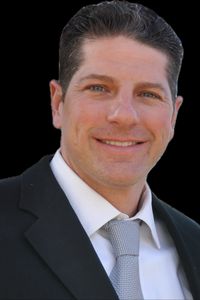
Brycen Garrison was born in Hackensack, New Jersey. He earned a high school diploma from Pompton Lakes High School, a bachelor's degree from Colorado State University in 1997, an associate degree from Red Rocks Community College in 2008, and a graduate degree from Columbia Southern University in 2017. His career experience includes working as a firefighter.[1]
As of 2025, Garrison was affiliated with the following organizations:[1]
International Association of Fire Chiefs
Colorado State Fire Chiefs Association
Metro Fire Chiefs Association
Greater Brighton Chamber of Commerce – Board of Directors
Adams County Communication Center (ADCOM911) – Vice President, Board of Directors
E911 Authority Board – Member
Adams County Economic Development Commission – Board of Directors
Foundation Academy School Board – Former Vice President (2017–2020)
- Graduate:
- Columbia Southern University, 2017
- Associates:
- Red Rocks Community College, 2008
- Bachelor's:
- Colorado State University, 1997
- High school:
- Pompton Lakes High School
In their own words
Who are you? Tell us about yourself.
I’m Brycen Garrison—Fire Chief of Brighton Fire Rescue, public servant, kidney donor, loving husband, and proud father. I’ve dedicated my life to protecting others and building strong, resilient teams. For over two decades, I’ve led from the front in emergency services, guiding firefighters through crises and organizations through transformation.
I believe leadership is about trust, service, and showing up when it matters most. From the fireground to the boardroom, I’ve earned respect not by command, but by caring deeply for the people I serve. I’ve developed statewide leadership programs, mentored future chiefs, and rebuilt organizational cultures around accountability, compassion, and continuous improvement.
After donating a kidney to my daughter during her battle with kidney failure, I learned that the most powerful kind of leadership begins at home—with love, sacrifice, and faith. That experience deepened my commitment to servant leadership and made me a fierce advocate for public health, mental wellness, and the strength of families.
I’m running for Governor of Colorado to bring that same heart, grit, and teamwork to the statehouse. I believe in making a difference every day, not someday—and I’m ready to help Colorado thrive by building an amazing future together.
Please list below 3 key messages of your campaign. What are the main points you want voters to remember about your goals for your time in office?
1. Servant Leadership Rooted in Action, Not Politics
Leadership isn’t about titles—it’s about responsibility. I’ve spent my life stepping up in moments that mattered. As Fire Chief of Brighton Fire Rescue, I’ve commanded life-or-death incidents, rebuilt teams from the ground up, and mentored future leaders across Colorado. I don’t lead from behind a desk—I lead from the front, with integrity, courage, and service.
When my daughter needed a kidney, I didn’t hesitate. I became her donor. That experience reminded me what true service really means: sacrifice, humility, and love. That’s the mindset I will bring to the Governor’s office.
Colorado deserves a Governor who doesn’t hide behind politics, but who leads with action—especially when thi2. Strong Communities Start with Freedom, Families, and Public Safety
I believe government’s role is to empower—not control—its citizens. Freedom is the foundation of everything we value in Colorado. Whether it’s raising a family, building a business, practicing your faith, or protecting your property—freedom must be preserved. But freedom without security isn’t freedom at all.
That’s why strong, safe communities will be at the heart of my administration. I will support law enforcement while also demanding accountability. I will defend the rights of responsible gun owners and prioritize mental health access and crisis response. And I will ensure that no Coloradan feels unsafe in their home, school, or neighborhood.
Equally important: I wi3. A Vision for Colorado that Balances Progress with Principle
Colorado faces major challenges: water scarcity, housing affordability, transportation gridlock, crime, and economic uncertainty. Tackling these issues will require vision, discipline, and long-term planning—not short-term political gains.
But we also need something deeper: a return to principle. Too often, our politics are driven by emotion and division. I believe we must return to common-sense leadership that honors our Constitution, respects the rule of law, and puts mission over ego.
That means protecting the integrity of our institutions while empowering local communities to solve problems. It means respecting law enforcement, the judiciary, and the legislative process—no
What areas of public policy are you personally passionate about?
Final Thought: A Governor Who Works for You
I’m not a career politician. I’m a leader, a father, a firefighter, a kidney donor, and a lifelong public servant. I’ve faced emergencies that couldn’t wait, budgets that had to balance, and moments that demanded everything I had.
This campaign isn’t about me—it’s about you. It’s about creating a Colorado where small businesses can thrive, families can grow, public safety is restored, freedom is protected, and our future is secured through visionary leadership.
If you want a Governor who will serve, not spin—lead, not lecture—and build, not divide—then I’m ready to get to work.
Let’s build an amazing Colorado together.
Who do you look up to? Whose example would you like to follow, and why?
The person I’ve always looked up to most is my father, George Garrison. He didn’t lead with a title or a spotlight—he led with quiet strength, unwavering integrity, and a work ethic that never wavered, no matter the circumstances.
He taught me that your word is your bond, that people matter more than appearances, and that when something needs doing, you roll up your sleeves and get to work—no excuses, no fanfare. He showed me how to be steady under pressure, how to care deeply without needing credit, and how to lead a life rooted in faith, family, and service to others.
Everything I know about responsibility, humility, and doing the right thing—even when it’s hard—started with watching him. His example has guided me as a husband, a father, a firefighter, and now as someone seeking to lead our state.
I believe if more people led the way my dad lived, we’d have stronger families, stronger communities, and a lot fewer problems in government. He never asked anyone to follow him—he just did the right thing and let his actions speak. That’s the kind of leader I strive to be.
Is there a book, essay, film, or something else you would recommend to someone who wants to understand your political philosophy?
If you want to understand my political philosophy, start with “Extreme Ownership” by Jocko Willink—a no-nonsense book written by a Navy SEAL that basically says: stop blaming other people and take responsibility for everything in your world. That’s how I’ve led as a fire chief, and that’s how I’ll lead as Governor. No excuses. No finger-pointing. Just own it, fix it, and move forward.
If you're more of a movie person, I’d also recommend watching “Remember the Titans.” It’s not a political film, but it’s a masterclass in leadership, culture change, and doing the right thing even when it’s hard. Plus, if Denzel Washington isn’t on your leadership reading list, you’re missing out.
And for those who want to dig deeper into the foundation of my views on service and leadership, the New Testament—especially the example of Jesus—has shaped how I see sacrifice, grace, and the idea that true leadership is always about others, not yourself.
But if you’re just looking for something quick?
Start by asking your firefighter neighbor who shows up at 3 a.m. without complaint. That mindset—that commitment to serve—is exactly what I bring to politics.
What characteristics or principles are most important for an elected official?
The most important characteristics for any elected official are integrity, courage, humility, accountability, and a heart for service. These aren’t just leadership traits—they’re moral commitments that should define how a public servant shows up every single day.
Integrity means doing the right thing, even when it’s difficult, unpopular, or politically costly. It means honoring the law, respecting the Constitution, telling the truth, and following through on promises. Public trust is fragile—once it’s broken, it’s hard to repair. Leaders must protect it fiercely.
Courage is about standing up for your values, not just when it’s easy, but especially when it’s hard. Politicians often take the path of least resistance. Leaders take responsibility. I’ve made life-and-death decisions as a fire chief. I’ve donated a kidney to save my daughter’s life. I don’t back down when it matters.
Humility is essential because no leader has all the answers. The best elected officials ask questions, listen deeply, and are willing to admit when they’re wrong. I believe in servant leadership: putting people first, not ego.
Accountability means owning the outcome—good or bad. It means showing up, explaining your decisions, and making sure your actions align with your values and your words.
Finally, service must be the foundation of leadership. You should never run for office to be something—you should run to do something. That “something” should always serve the people.
I believe elected office is a sacred trust. When you raise your hand to lead, you are making a promise to uphold freedom, strengthen families, protect opportunity, and preserve the future—not for political gain, but for the good of your community.
What qualities do you possess that you believe would make you a successful officeholder?
I bring a rare combination of real-world leadership, deep public service, and values-driven decision-making that would make me a successful officeholder.
As Fire Chief, I’ve led in high-pressure environments where every decision matters. I’ve commanded complex operations, managed multi-million-dollar public budgets, and built strong, resilient teams that thrive under pressure. I’ve made hard calls, owned the outcomes, and shown up when it mattered most—not just for the public, but for the people I’ve had the honor to lead.
I’m known for being decisive but collaborative, tough when necessary but always fair. I don’t just listen to people—I hear them. I believe in servant leadership, meaning I never ask something of others that I wouldn’t do myself. I hold myself accountable, follow through on my commitments, and believe trust is earned through action, not words.
I’m also grounded in real life—I’ve mowed lawns, raised a family, donated a kidney to my daughter, and spent my life serving others. That keeps me humble and focused on what truly matters.
At the end of the day, I don’t want to be a politician. I want to be a leader people can count on—one who tells the truth, makes tough choices, and always puts Colorado first.
What do you believe are the core responsibilities for someone elected to this office?
The core responsibilities of a Governor are simple in principle but demanding in practice: protect freedom, ensure safety, steward resources, uphold the law, and serve every person with integrity and fairness.
A Governor must be a protector of rights—not a creator of burdens. That means defending the Constitution, preserving individual liberty, and pushing back against government overreach. People don’t need to be managed; they need to be empowered to thrive.
Second, the Governor must ensure public safety—not just through law enforcement, but by addressing the root causes of crime: mental health, addiction, homelessness, and community disinvestment. A safe state is a strong state, and that requires leadership that balances accountability with compassion.
Third, the Governor is the chief executive of the state. That means running a multi-billion-dollar organization with transparency, efficiency, and discipline. Budgets must balance. Regulations must serve—not hinder. Infrastructure must be maintained. Natural resources—especially water—must be protected for future generations.
Fourth, the Governor must uphold and enforce the law, not bend it for political convenience. We are a nation of laws, not of individuals. The Governor’s job is not to dictate personal agendas, but to execute the will of the people and defend the institutions that make democracy work.
Finally, the Governor must be a servant leader. That means listening to the people, representing every community—not just the loudest voices—and making decisions rooted in values, not vanity. It means showing up when it matters most.
Leadership is not about being in charge. It’s about taking care of the people in your charge. That’s what I’ve done my whole life—and that’s what I’ll continue to do as Governor of Colorado.
What legacy would you like to leave?
I want to leave a legacy of service, impact, and people who are better off because I showed up. Not because I held a title, but because I used that title to serve others with everything I had.
I want people to say I was the kind of leader who led with heart, not ego—who made tough decisions when they needed to be made, stood up for what was right, and never forgot who he was doing it for. Whether I was in a firehouse or the Governor’s office, I always believed that leadership means taking care of the people in your charge—not seeking power, but carrying responsibility.
I want my legacy to include the leaders I helped develop, the organizations I left stronger than I found them, and the people I supported through moments they thought they couldn’t survive. I want my children to know I didn’t just talk about service—I lived it. I gave when it hurt. I told the truth. I finished what I started.
If the only thing people say when I’m gone is, “He made things better, and he did it for the right reasons,” that’s the legacy I want. Nothing more—and definitely nothing less.
What is the first historical event that happened in your lifetime that you remember? How old were you at the time?
The first major historical event I remember was Operation Desert Storm in 1991. I was 17 at the time, old enough to understand what it meant to see American troops deployed and war unfolding live on television. It was the first time I really paid attention to global events, military leadership, and the cost of freedom. That moment stirred a sense of patriotism in me that’s never left.
But the most defining historical moment of my early adulthood was September 11, 2001. I was 27, and like so many others, I’ll never forget where I was or how I felt. Watching those towers fall—and the firefighters, police officers, and ordinary citizens running toward danger—left a permanent mark on me. It sharpened my sense of duty, deepened my commitment to service, and reinforced my belief that leadership is about stepping up when it matters most.
Those two events, a decade apart, shaped how I see the world, how I lead, and why I believe so strongly in courage, country, and community.
What was your very first job? How long did you have it?
My very first job was mowing lawns in high school—and I did it all four years. It wasn’t glamorous, but it taught me the value of showing up on time, doing the job right the first time, and sweating for your paycheck. I learned quickly that if you wanted to keep your customers happy (and get paid), straight lines mattered, reliability mattered, and so did your attitude—even in the heat.
Looking back, that little landscaping hustle taught me a lot about ownership, responsibility, and pride in hard work. Honestly, some of those lessons stuck with me longer than a few college lectures.
What is your favorite book? Why?
My favorite book is the New Testament. It’s the foundation of how I try to live, lead, and serve. For me, it’s more than just scripture—it’s a blueprint for humility, grace, sacrifice, and servant leadership.
What inspires me most is the example of Jesus. He didn’t lead from a throne—He led from among the people. He healed the broken, stood up for the outcast, spoke truth to power, and laid down His life for others. That model of leadership—centered on love, service, and courage—has shaped how I approach everything from family to public life.
The New Testament reminds me that real strength is found in gentleness, real leadership is rooted in service, and true greatness comes from putting others before yourself. It’s a constant challenge—and a constant comfort. It keeps me grounded, reminds me why I’m here, and pushes me to be better every single day.
If more leaders followed the principles of the New Testament—love your neighbor, walk in humility, speak the truth, and serve others first—I truly believe we’d have a more honest, compassionate, and courageous country.
If you could be any fictional character, who would you want to be?
If I could be any fictional character, I’d probably choose Captain America—not because of the shield or the super strength (though that wouldn’t hurt), but because he leads with integrity, courage, and an unshakable moral compass, even when the world around him gets messy.
He’s not the loudest or flashiest guy in the room—he’s the one who stands his ground, protects his team, and does what’s right, even when it’s unpopular. He doesn’t chase power—he carries responsibility. That resonates with me.
Also, let’s be honest—if you’re going to deal with politics, global crises, and people arguing nonstop, having superhuman patience and a shield wouldn’t be the worst thing in the world.
But in all seriousness, Captain America embodies the kind of leadership I believe in: principled, steady, others-focused, and willing to take the hits so others don’t have to. That’s the kind of character I’d want to be—and the kind of leader I strive to be in real life.
What was the last song that got stuck in your head?
The last song that got stuck in my head was “God Bless the U.S.A.” by Lee Greenwood. Every time I hear that opening line—“If tomorrow all the things were gone I’d worked for all my life…”—it stops me in my tracks. It’s one of those songs that hits you right in the heart, especially if you’ve spent your life in public service or uniform.
It reminds me why I do what I do. It’s about sacrifice, pride, gratitude, and the belief that this country, despite all its challenges, is worth fighting for and believing in. And yes, I’ll admit it—if that song comes on at a community event or a 4th of July ceremony, I’m probably singing along whether anyone asked me to or not.
Some songs just speak for you. This one does that for me.
What is something that has been a struggle in your life?
One of the greatest struggles in my life was watching my daughter face kidney failure—and making the decision to become her kidney donor. No amount of leadership experience or crisis training prepares you to see your child suffer. It was physically, emotionally, and spiritually exhausting—but it also became one of the most defining moments of my life.
That experience taught me what true vulnerability and courage look like. It forced me to ask for help, to rely on others, and to lead from a place of love instead of strength. It changed the way I see leadership, fatherhood, and faith.
Through that struggle, I learned that it’s okay not to have all the answers. It’s okay to feel scared. But what matters is what you do next—how you show up for the people who need you, even when you’re hurting yourself.
That struggle didn’t break me—it shaped me. It made me more compassionate, more grounded, and more committed than ever to serving others. It reminded me that the hardest things in life often reveal the most important parts of who we are.
Governors have many responsibilities, which vary from state to state. Which of those do you personally consider the most important in your state?
In Colorado, the Governor wears a lot of hats—but to me, the most important responsibility is leading with principle to protect people, preserve freedom, and ensure government actually works for the citizens it serves.
That starts with upholding the rule of law. We’re a state of rugged independence and strong values, and it’s essential that our laws are applied fairly, consistently, and without political gamesmanship. The Governor doesn’t get to pick and choose which laws to enforce—we are a nation of laws, not personalities.
Second, the Governor must ensure public safety and emergency readiness. Whether it’s wildfire season, water shortages, or rising crime, Coloradans expect steady, experienced leadership. As Fire Chief, I’ve spent my life managing crises, coordinating with multiple agencies, and showing up when people need help the most. That kind of hands-on, decisive leadership is exactly what this job demands.
Finally, the Governor must be the state’s top problem solver. That means cutting red tape so businesses can grow, making sure infrastructure keeps up with our population, protecting our water and land, and making state government more accountable to the people.
If you can’t keep your people safe, respect their freedoms, and keep the lights on—you’ve missed the point of the job.
Different states require governors to have different degrees of responsibility for the state budgeting process. If it were your choice, what do you believe is the appropriate degree of gubernatorial involvement with this process in your state?
If it were up to me—and it will be if elected—the Governor should be deeply involved in every step of the state budgeting process. The budget isn’t just a spreadsheet; it’s a statement of values. It reveals what we prioritize, what we ignore, and who we choose to serve.
I’ve spent my career managing public budgets—where every dollar is taxpayer money and every line item matters. As Fire Chief, I’ve had to make hard choices between what’s ideal and what’s possible, all while staying accountable to both my team and the community I serve.
The Governor shouldn’t just approve the budget—they should help shape it, defend it, and explain it. That means working with the legislature, engaging the public, and holding departments accountable for both spending and outcomes.
Colorado needs a Governor who treats budgeting like leadership, not accounting. I believe in zero-based budgeting, performance-driven spending, and cutting what doesn’t serve the people. Every program should have to earn its keep.
If a Governor isn’t hands-on with the budget, they’re handing off the steering wheel—and I don’t think Colorado can afford that.
In most states, governors have the power to make line-item vetoes. If that is true in your state, what would be your philosophy for how and when to use this power?
In Colorado, the Governor does have line-item veto power, and I believe it should be used with discipline, clarity, and purpose—not politics.
The line-item veto is a tool, not a weapon. It exists to protect taxpayers from wasteful or irresponsible spending—not to score political points or punish opponents. I would use it when something in the budget clearly violates our priorities, undermines public trust, or fails to deliver value to the people of Colorado.
I’ve managed tight public budgets. I’ve had to tell great people “no” because we didn’t have unlimited funds. That’s what responsible leadership looks like: making hard choices, saying no when necessary, and being able to explain why.
If a budget item lacks transparency, serves a narrow interest instead of the public good, or was snuck in without accountability—I won’t hesitate to veto it. But I’ll also be clear and public about my reasoning, because people deserve to know what’s behind every decision.
Used wisely, the line-item veto is one of the last lines of defense between special interests and the public’s money. I’ll use it as a scalpel, not a sledgehammer—precise, intentional, and always in the best interest of Colorado.
What do you believe is the ideal relationship between the governor and state legislature?
The ideal relationship between the Governor and the state legislature is built on mutual respect, shared responsibility, and a clear understanding of roles. We don’t have to agree on everything—but we do have to work together to serve the people.
I’ve led large, complex organizations where different teams brought different perspectives—and the best results always came when we stayed focused on a common mission. That’s exactly how the Governor and legislature should function. The Governor brings vision, accountability, and executive leadership. The legislature brings representation, debate, and detailed policymaking. We each have a lane—but we’re driving the same road.
I believe the Governor should lead with clarity, honesty, and humility. That means showing up, having real conversations, being willing to listen, and not taking disagreement personally. I’ll work with anyone who’s serious about solving problems, no matter what party they belong to.
That said, leadership also means standing firm when core values are at stake. I won’t compromise on freedom, fairness, or the rule of law—but I’ll always engage in good faith and give every idea a fair hearing.
In short, the Governor and legislature should debate like teammates, not enemies. The people of Colorado deserve nothing less.
What do you love most about your state?
What I love most about Colorado isn’t just the mountains, the sunshine, or the open spaces—though let’s be honest, they’re hard to beat. What I love most is the people: gritty, independent, big-hearted folks who work hard, show up for their neighbors, and take pride in where they’re from.
Colorado is a place where you can live free, think big, and still find someone to help you shovel your driveway when the storm hits. It’s where family farms and small businesses sit alongside cutting-edge innovation. It’s where you can hike a peak in the morning and sit at a city council meeting that night. That balance—between progress and tradition, freedom and community—is something truly special.
This state shaped who I am. It’s where I raised my family. It’s where I led firefighters into danger and helped rebuild communities after tragedy. It’s where I gave my daughter a kidney and found hope in the hardest moment of my life.
Colorado isn’t just home—it’s heart. And everything I do in public service comes from wanting to make it even better for the next generation.
What do you perceive to be your state's greatest challenges over the next decade?
Colorado is an amazing state—but we’re at a crossroads. Over the next decade, our biggest challenges will be managing growth without losing our soul, protecting freedom while preserving community, and making government work for the people—not the other way around.
First, housing affordability and infrastructure are reaching a breaking point. People who grew up here can’t afford to stay. Young families can’t get a foothold. Roads are jammed, water is stretched thin, and our growth is outpacing our planning. If we don’t act with vision and urgency, we risk becoming a state where only the wealthy can thrive.
Second, public safety and mental health must be addressed together. Crime, addiction, and homelessness aren’t just statistics—they’re signs of a system that’s failing real people. We need leadership that focuses on accountability and care. We can support law enforcement, hold people responsible, and still show compassion for those struggling. It’s not either-or—it’s both.
Third, restoring trust in government may be the toughest challenge of all. People are tired of spin, tired of being overtaxed, and tired of seeing decisions made behind closed doors. I believe the next decade must be about openness, responsibility, and restoring public confidence through action—not rhetoric.
And finally, we must protect what makes Colorado Colorado—our water, land, liberty, and way of life. That means planning for climate and wildfire resilience, investing in clean energy and agriculture, and ensuring local communities have a say in the future they want to build.
Colorado has everything it needs to lead the nation—talent, terrain, and tenacity. What we need now is leadership that’s unafraid to tackle hard problems, willing to make bold choices, and grounded in the belief that public service means putting people first. I’m ready to lead that charge.
Tell us your favorite joke.
What do you call it when a firefighter starts telling dad jokes?
A code red for puns.
Why did the cop sit on the fire truck?
He wanted to be on the “hot” pursuit team.
Under what circumstances should the governor of your state be able to use emergency powers?
Emergency powers should only be used by the Governor in true emergencies—period. That means events that pose an immediate and significant threat to public safety, health, infrastructure, or the essential functioning of the state. Wildfires, floods, pandemics, large-scale infrastructure failures—these are the kinds of moments where swift, centralized action is necessary to save lives and protect communities.
But here’s the key: emergency powers should never become a shortcut for normal governance. They’re not a blank check. They’re not an opportunity to sidestep the legislature, silence dissent, or extend executive control just because it’s more convenient. The longer emergency powers are used, the more accountability and oversight are required.
As a Fire Chief, I’ve led through actual emergencies—where time is short, people are scared, and decisions carry enormous weight. I understand what it means to act fast and answer for those actions. Authority without accountability isn’t leadership—it’s abuse.
If I use emergency powers as Governor, I’ll be transparent about why, clear about the limits, and aggressive about returning power to the people and their representatives as soon as the danger has passed. Emergency leadership should be rare, responsible, and always rooted in service—not control.
What organizations or individuals have endorsed your campaign?
I haven’t officially received endorsements yet—but the support and encouragement I’ve received from across Colorado has been incredibly humbling. As this campaign gains momentum, I’m hearing from people in law enforcement, public service, small business, agriculture, and education who are ready for new leadership grounded in service, not politics.
I’
On the 2026 ballot
Links
Compiled from the candidate’s published profile as of September 30, 2026.
Source(opens in new tab)