
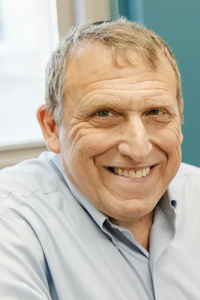
Background
Bruce Leon was born in Chicago, Illinois. He earned a high school diploma from Highland Park High School and a bachelor's degree from the University of Wisconsin–Madison in 1983. His career experience includes working as a business founder. Leon has been affiliated with the Young Presidents' Organization.[1]
- Bachelor's:
- University of Wisconsin–Madison, 1983
- High school:
- Highland Park High School
Campaign money
- Raised
- —
- From individuals
- $0
- From PACs & party
- $0
- Own money
- —
FEC filings.
View on FEC.gov(opens in new tab)In their own words
Chicago Public Schools
Bruce Leon did not complete [the profile publisher]'s 2026 Candidate Connection survey.
U.S. House District 9
Who are you? Tell us about yourself.
I’m Bruce Leon, a lifelong Chicagoan, small business owner, and problem-solver who believes politics should be about people, not partisanship. I built my business from the ground up, creating good jobs and helping working families access affordable health care. I’m running for Congress because I’m tired of the shouting and finger-pointing that’s replaced real problem-solving in Washington. I want to bring people together to get things done, the same way we do in business and community life every day.
Please list below 3 key messages of your campaign. What are the main points you want voters to remember about your goals for your time in office?
I believe government should always put people first. Too often, political games come before the real needs of families, workers, and communities.I know how to bring people together to get things done. As a business grower that helped Main Street businesses grow and as a community leader, I’ve spent my life solving problems through collaboration and respect.We need leaders who put service over self and results over rhetoric. I will always listen, act with integrity, and stay focused on what actually helps people live better lives.
What areas of public policy are you personally passionate about?
I’m focused on rebuilding trust in government, strengthening the working -class, and making our economy work for people who play by the rules. I also believe Congress must get back to solving real problems—protecting democracy, supporting small businesses, and investing in communities that have been left behind.
What characteristics or principles are most important for an elected official?
Integrity, empathy, and accountability. Public service is a trust, not a career. Elected officials should listen before they speak, tell people the truth even when it’s hard, and focus on results that make life better for the communities they represent.
What do you believe are the core responsibilities for someone elected to this office?
To represent the people with honesty, humility, and common sense. A member of Congress should listen to their constituents, build coalitions to solve problems, and make government work better for the people it serves. The job is to deliver results, not sound bites or unnecessary partisan discord.
What is something that has been a struggle in your life?
Losing my mother to suicide was the hardest experience of my life. She was an extraordinary woman — full of curiosity, compassion, and energy. When she died, I didn’t want that moment to define her. For a long time, I couldn’t even say the word “suicide” because I wanted people to remember the full, vibrant life she lived, not reduce her to a single moment of despair.
But over time I realized that neither extreme was honest. Her story wasn’t one or the other — it was both the beauty and the pain, the light and the darkness. Accepting that truth was one of the hardest things I’ve ever done, but it also taught me something profound: wholeness and healing come from embracing complexity, not denying it.
That lesson has shaped everything about how I see the world. Whether in family, business, or politics, I’ve learned that progress depends on holding space for opposing truths — on listening, finding balance, and refusing to let labels or absolutes divide us. My mother’s story taught me compassion, humility, and the strength to lead with empathy. Those are the values I try to carry forward every day.
What qualities does the U.S. House of Representatives possess that makes it unique as an institution?
The House reflects the diversity, pace, and problem-solving spirit of the country itself. My career has been about helping small businesses navigate complexity and succeed — often by finding practical solutions where others only saw red tape. That same approach is what the House needs more of: people who know how to listen, act quickly, and deliver real results.
Do you believe that it's beneficial for representatives to have previous experience in government or politics?
Experience in government can be helpful, but it’s not the only kind of experience that matters. I’ve spent my career helping hundreds of small businesses grow and thrive, and that real-world perspective is what Congress needs more of. Washington has plenty of politicians — what it’s missing are leaders who know how to listen, build teams, and get results.
What do you perceive to be the United States' greatest challenges as a nation over the next decade?
Our greatest challenge is rebuilding trust in our institutions, in each other, and in our ability to work together. Division and dysfunction make it harder to tackle the real issues people face every day: the rising cost of living, global competitiveness, and the need for good jobs and strong communities. We need leaders who can unite people around shared purpose and practical solutions.
Do you believe that two years is the right term length for representatives?
Yes. In business, if you don’t deliver for your clients, you lose them — and I think public service should work the same way. I come from a customer-service mindset, so I welcome the accountability of earning my constituents’ trust every two years. That’s how democracy stays responsive.
What are your thoughts on term limits?
I support term limits because public service should be about contribution, not careerism. I’ve pledged to serve no more than four terms in Congress. Fresh perspectives help keep government responsive and accountable to the people, not entrenched interests.
Both sitting representatives and candidates for office hear many personal stories from the residents of their district. Is there a story that you’ve heard that you found particularly touching, memorable, or impactful?
I recent'y sat with a couple in Chicago who had just received notice that their property taxes went up 28%. They are small family business owners who are trying hard to raise their family in the neighborhood where they grew up. This massive tax increase is a huge burden on them and they are going to have to make real and painful cuts from their already tight budgets. I felt so bad hearing them struggle with new taxes on top of the higher costs for everything else, from groceries to insurance costs. Its for these people and others like them who play by the rules, do everything right but are still falling. behind because our local, state and federal governments' mis-priorities.
Do you believe that compromise is necessary or desirable for policymaking?
Yes. Real progress takes listening and working together, even when we disagree. I’m willing to forge compromise on policy to get things done for people, but I will never compromise my values or integrity. Too many politicians confuse stubbornness with strength — I believe strength comes from solving problems for people.
The Constitution says that all bills for raising revenue must originate in the House. What role would this power play in your priorities if elected?
Raising and spending public money is one of Congress’s most serious responsibilities. I’ve managed budgets and payrolls, and I know every dollar should be treated with care. I’ll bring that same accountability to Washington — making sure taxpayer money is used wisely and focused on helping people, not serving special interests. By the way, I am not accepting any money from corporate PACS or other special interests.
How should the U.S. House use its investigative powers?
In business, accountability is about improving performance, not assigning blame — and Congress should approach oversight the same way. The House’s investigative power should be used responsibly to uncover waste, ensure transparency, and restore public trust, not as a weapon for partisan fights.
What organizations or individuals have endorsed your campaign?
Americans4Hindus, Eric "Ricki" Rothner
What is an accomplishment that you are proud of?
When I was younger, I worked in an environment where success often came with pressure to compromise — where money and vice were part of the company culture, and faith was something to hide. I stopped wearing my yarmulke because I was told it would hold me back. Years later, when I left to start my own business, I made myself a promise: I would build it on values, integrity, and giving back, and I would never again take off my yarmulke for anyone.
That decision became a defining moment in my life. It reminded me that true success isn’t measured by status or wealth, but by staying grounded in who you are and what you believe. When I wear my yarmulke in Congress, it will remind me to hold fast to those same principles — to act with honesty, humility, and respect for every person I serve.
What role should the United States government have in the development or use of artificial intelligence?
As someone who’s helped businesses adapt to new technology, I know innovation moves fast — and government needs to keep up. The U.S. should promote AI research and competitiveness while protecting people’s rights and jobs. Our goal should be simple: make sure technology serves humanity, not the other way around.
What legislation would you enact related to election administration in the United States?
Congress has the power to initiate Constitutional amendments, and I would use that authority to push for one ending partisan gerrymandering — when politicians draw district lines to keep themselves in power. A Constitutional amendment is the best path because it applies equally to both major parties, ensuring neither side can game the system. Ending gerrymandering would make our democracy stronger, our elections fairer, and our representatives more accountable to the people.
Bruce Leon did not complete [the profile publisher]'s 2024 Candidate Connection survey.
On the 2026 ballot
Links
Compiled from the candidate’s published profile as of September 30, 2026 and FEC filings.
Source(opens in new tab)