
Background
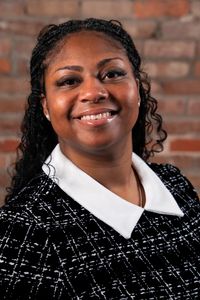
Brittany Newton (Democratic Party) is running for election to the North Carolina House of Representatives to represent District 46. She is on the ballot in the general election on November 3, 2026. The Democratic primary for this office on March 3, 2026, was canceled.
- Associates:
- University of Phoenix, 2018
- Bachelor's:
- University of Phoenix, 2020
- High school:
- Whiteville High School
In their own words
Who are you? Tell us about yourself.
I’m Brittany Newton, a Democratic candidate for North Carolina House District 46 representing Columbus and Robeson Counties. I was born and raised in Whiteville, where I’m now raising my children. I served 8 years in the U.S. Army and have spent years organizing around economic opportunity and community development in rural North Carolina. My campaign is rooted in listening to the people of our district and building practical solutions for working families—strong public schools, access to healthcare, and good-paying local jobs that allow people to stay and thrive in the communities they love.
Please list below 3 key messages of your campaign. What are the main points you want voters to remember about your goals for your time in office?
I’m focused on building a rural economy that works for working people—not just large corporations or out-of-touch policies from Raleigh. That means investing in small businesses, supporting local agriculture, expanding workforce training, and bringing real economic development to Columbus and Robeson Counties. I believe every community should have the opportunity to grow from within, with good-paying jobs, infrastructure investment, and support for local entrepreneurs.Strong public schools are the foundation of strong communities. I’m committed to fully supporting public education by recruiting and retaining teachers, strengthening career and technical education, and ensuring students in rural counties have the same opportunities as students anywhere else in the state. Education should prepare students for real careers, strengthen our workforce, and remain focused on students—not political agendas.Healthcare should be accessible no matter where you live. In rural North Carolina, too many families face long drives, limited providers, and hospital instability. I will fight to expand rural healthcare access, strengthen local clinics, support telehealth, and recruit medical professionals to underserved areas. Families should be able to get care close to home, especially for maternal health, emergency services, and mental health support.
What areas of public policy are you personally passionate about?
Rural economic development, public education, workforce training and apprenticeships, rural healthcare access, veterans’ issues, small business support, infrastructure investment, and strengthening local communities in Columbus and Robeson Counties.
Who do you look up to? Whose example would you like to follow, and why?
Michelle Obama stands out for her grace, strong communication, and her focus on supporting families and young people. Jasmine Crockett is someone I admire for speaking up boldly, standing firm, and holding power accountable for everyday people. Barack Obama shows what it looks like to bring people together, work across differences, and give people hope, even in tough times.
Together, they represent the kind of leadership I believe in—serving people, speaking honestly, and staying focused on the community you represent.
What characteristics or principles are most important for an elected official?
Integrity, accountability, and a commitment to service are the most important principles for any elected official. People deserve leaders who listen first, tell the truth, and make decisions based on what is best for their communities—not special interests. An elected official should be accessible, willing to learn, and focused on solving real problems. In rural communities especially, leadership means showing up, being honest about challenges, and working every day to improve people’s quality of life.
What do you believe are the core responsibilities for someone elected to this office?
The core responsibility of a member of the North Carolina House of Representatives is to represent the people of their district and advocate for policies that improve their daily lives. That includes passing responsible budgets, supporting strong public schools, expanding healthcare access, and creating opportunities for economic growth. It also means listening to constituents, responding to their concerns, and making sure rural communities like those in Columbus and Robeson Counties are not left behind in statewide decisions.
What do you believe is the ideal relationship between the governor and state legislature?
A strong governor–legislature relationship is based on healthy tension and real cooperation. The governor and lawmakers have different jobs—the governor sets priorities and runs the executive branch, while the legislature writes laws and represents local communities—but they work best when they stay focused on solving problems instead of fighting for control. Some disagreement is normal and even helpful because it improves policy, but progress depends on early communication, mutual respect, and a shared focus on results over politics. In North Carolina especially, where power is often closely divided, this balance matters a lot: when it breaks down, you get gridlock; when it works, you get real improvements in things like schools, healthcare, and infrastructure.
What do you perceive to be your state's greatest challenges over the next decade?
North Carolina’s greatest challenges over the next decade include adapting to global shifts in supply chains, supporting innovation in agriculture, expanding access to affordable housing, and repairing aging infrastructure. We must also address rural healthcare access, workforce development, and disaster resilience as our state continues to grow. Meeting these challenges will require long-term investment in rural and urban communities alike, ensuring families have access to reliable services, economic opportunity, and safe places to live and work.
Do you believe that compromise is necessary or desirable for policymaking?
Yes, compromise is a necessary part of effective policymaking. While it’s important to stand firm on core values, meaningful progress often requires working with people who have different perspectives. Good compromise doesn’t mean giving up principles—it means finding practical solutions that serve the public and move communities forward. The goal should always be progress that improves people’s lives.
What was the first historical event that happened in your lifetime that you remember?
One of the earliest major historical events I remember was the September 11, 2001 attacks. Like many Americans, I remember the fear, uncertainty, and unity that followed. That moment shaped how many people in my generation think about service, community, and resilience, and it influenced my decision to serve in the military and give back to my country.
On the 2026 ballot
Links
Compiled from the candidate’s published profile as of September 30, 2026.
Source(opens in new tab)