
Background
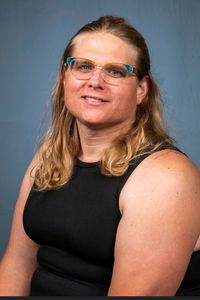
Bobby Robertson earned a high school diploma from Lake Worth Community High School and a bachelor's degree from McPherson College in 2018. Robertson's career experience includes working as an analyst.[1]
- Bachelor's:
- McPherson College, 2018
- High school:
- Lake Worth Community High School
In their own words
Who are you? Tell us about yourself.
I did not come from wealth or privilege. I came from a lower middle class household and learned the value of hard work early. Starting at 10 years old, I worked summers with people my parents knew, families from church, and friends’ parents. By the time I graduated high school, I had worked in electrical, plumbing, propane installation, auto repair, carpentry, cabinet building, and as a grocery store cashier.
After high school, I followed in my dad’s footsteps and became an electrician, later earning my journeyman electrical license and ASE certifications in brakes and electrical systems. I also studied Restoration Technology, Accounting, and Finance at McPherson College.
My life has also included public service. I served on the Windom City Council, became certified in wastewater management to help the city save money, and joined the fire department, earning my Firefighter 1 certification. Today, I work as a financial analyst, and my partner and I own a local business in McPherson.
I am running because I have experienced reaching out to a representative and not being acknowledged. No one should feel ignored by the person elected to represent them.
I bring blue collar experience, white collar experience, public service, business ownership, and a commitment to listening. I am running to be accessible, accountable, and to represent all people of District 73.
Please list below 3 key messages of your campaign. What are the main points you want voters to remember about your goals for your time in office?
I bring real world experience, not political talking points. I grew up lower middle class, started working young, and have worked in trades, customer service, public service, finance, and local business. I have been a journeyman electrician, served on a city council, volunteered as a firefighter, worked as a financial analyst, and own a local business in McPherson. I understand blue collar work, white collar work, public service, and the pressure on small businesses and families. That background gives me a practical view of the issues all people in District 73 deal with every day.We need to solve problems by looking at the whole issue, not just the headline. Whether it is property taxes, schools, local funding, roads, emergency services, raising wages, legalizing cannabis or rising costs, we need to look at the data and understand what is really causing the problem before choosing a solution. Too often, politics turns complicated issues into slogans. I believe in asking better questions, following the facts, and making practical decisions based on common sense, real numbers, and how those decisions affect real people and local communities.Representation should be accessible and accountable. I know what it feels like to reach out to a representative and not be acknowledged, and I do not believe that should be normal. People deserve someone who listens, responds, and explains what is happening in Topeka. I will be available, answer questions, and hold office hours in communities across the district so people have a real way to be heard. Good leadership means showing up before Election Day, staying connected after, and remembering who you work for.
What areas of public policy are you personally passionate about?
I am passionate about policies that affect people’s everyday lives: property taxes, local funding, public schools, wages, rising costs, small businesses, roads, and emergency services. I believe we need to stop treating these issues like slogans and start looking at the whole problem. Property taxes are hurting families, seniors, farmers, and businesses, but those taxes also fund local services people rely on. We need to look at the data, understand where the money goes, and find practical ways for the state to support communities while lowering the burden on taxpayers. Responsible cannabis legalization may be one tax stream worth exploring as part of that conversation. My focus is common-sense policy based on facts, fairness, and real life
Who do you look up to? Whose example would you like to follow, and why?
I look up to people who serve quietly, work hard, and do the right thing even when it is not easy. I have always respected people who do not need a title to lead . The people who show up for their families, their communities, their coworkers, and their neighbors.
The example I want to follow is one of practical, accountable leadership. I want to listen before I speak, look at the facts before making decisions, and remember that public service is about people, not politics.
I also look up to the people who taught me the value of hard work, my family, the people I worked with growing up, the tradespeople, firefighters, city workers, small business owners, and community members who keep places like District 73 moving. Their example reminds me that leadership should be grounded in service, respect, and responsibility.
What characteristics or principles are most important for an elected official?
The most important characteristics for an elected official are honesty, accountability, accessibility, and the willingness to listen. Elected officials should remember that they work for the people, not the other way around.
I believe good leadership means being honest about the facts, even when an issue is complicated. It means looking at the data, understanding the whole problem, and making decisions based on what will actually help people, not just what your opinion of the matter is.
An elected official should also be available and responsive. People should not feel ignored when they reach out to the person elected to represent them. They deserve clear communication, respect, and follow-through.
Most of all, public service should be rooted in fairness, common sense, and real experience.
What do you believe are the core responsibilities for someone elected to this office?
The core responsibility of someone elected to this office is to represent the best interests of all people in the district, not just the people who voted for them or the people who agree with them.
Public service means remembering that we are elected by the people and for the people. That requires listening, being fair, looking at the facts, and considering how policy affects real lives.
I do not believe elected officials should support policies that harm people simply because they disagree with them, dislike their choices, or hold a negative opinion about a certain group. Government should not be used to punish people. It should be used to solve problems, protect rights, support communities, and make sure everyone has a voice.
The job is to listen, serve, communicate honestly, and make decisions that are fair, practical, and in the best interest of the district as a whole.
What legacy would you like to leave?
My kids will always be my most important legacy. I hope they see that I worked hard, treated people with respect, and tried to leave things better than I found them.
As far as this position, I would like my legacy to be that I made a positive difference for the people of District 73. I want people to remember that I listened, showed up, answered questions, and took their concerns seriously.
I do not need a legacy built around a title. I would rather be remembered as someone who worked hard, looked at the facts, made fair decisions, and helped people feel like their voices mattered in Topeka.
If I can leave District 73 stronger, more heard, and better represented, that is the legacy I would be proud of.
What was your very first job? How long did you have it?
My first adult job was as an electrician. I had worked many summer jobs growing up, but becoming an electrician was my first long-term career path.
I worked for that company for six years, went through an apprenticeship program, and earned my journeyman electrical license. That job taught me a lot about hard work, problem solving, responsibility, and showing up every day ready to learn and do the job right.
It also gave me a strong respect for skilled trades and for the people who build, repair, and maintain the things our communities depend on.
What is something that has been a struggle in your life?
Something I have struggled with is the fear of disappointing the people who depend on me and the fear of not making it after working so hard to build a better life.
A lot of my life has been focused on trying to make it to the next level. I have had to think about how I was going to pay for school, how I was going to support my family, how I was going to finance my goals, and how I was going to keep moving forward without losing everything I had worked for.
That kind of pressure can be heavy, but it has also shaped me. It taught me to work hard, plan ahead, solve problems, and keep going even when things feel uncertain. It also helped me understand what many families are dealing with every day trying to pay bills, build stability, and create a better future.
That struggle has made me more practical, more empathetic, and more determined to help people who are working hard but still feel like they are barely getting ahead.
What do you believe is the ideal relationship between the governor and state legislature?
The ideal relationship between the governor and the state legislature should be built on cooperation, honesty, and a shared responsibility to serve the people of Kansas.
They do not always have to agree, and they should not simply rubber-stamp each other’s ideas. But they should be willing to work together to identify the real issues facing the state, study the data, and understand the full impact of possible solutions before making decisions.
Good government should not be about political wins or party fights. It should be about finding what works. The governor and legislature should challenge each other when needed, but they should also be able to come together when the facts point toward a solution that benefits Kansans.
The goal should be practical policy based on evidence, accountability, and what is best for the state as a whole.
What do you perceive to be your state's greatest challenges over the next decade?
I believe Kansas greatest challenges over the next decade will be lowering the tax burden, attracting new businesses, growing smaller communities, and increasing our population.
Kansas needs to be a place where families want to stay, young people can build a future, and businesses see opportunity. That means looking seriously at property taxes, wages, housing, schools, infrastructure, and the services communities need to grow.
Small communities cannot thrive if people feel forced to leave for better jobs, lower costs, or more opportunity somewhere else. We need policies that support local businesses, encourage investment, and make it easier for families to live and work here.
I also believe some recent laws have made Kansas less attractive to people and businesses considering where to live, work, or invest. Over the next decade, we need to focus on practical policies that make Kansas more competitive, more welcoming, and more affordable.
Do you believe that compromise is necessary or desirable for policymaking?
Yes, I believe compromise is sometimes necessary for policymaking, but compromise should not mean ignoring the facts or abandoning the people you represent.
Good policy should be guided by data, real world impact, and the full picture of the problem. If the evidence shows that a different approach would better serve the people of the district, then being willing to adjust and work with others is important.
At the same time, I will not compromise just to make a deal or support something that the facts do not support. If the data shows a policy would hurt people, create new problems, or move us in the wrong direction, then I believe it is my responsibility to say no.
Compromise can be valuable when it leads to better solutions, but it should never replace honesty, common sense, or accountability.
What was the first historical event that happened in your lifetime that you remember?
The first historical event I clearly remember from my lifetime is September 11th. I was sitting in a high school classroom when the planes hit the Twin Towers. I remember the silence in the room and the feeling that everyone understood something had changed, even if we were too young to fully understand what it would mean.
I also remember the school shooting in my community, when Nathaniel Brazill brought a gun to school and shot a beloved teacher. That was not just something on the news. It was close to home, and it affected how I saw school safety, community, responsibility, and the impact one event can have on so many lives.
Both of those events stayed with me. They shaped how I think about safety, leadership, and the importance of taking real problems seriously before more people are hurt.
On the 2026 ballot
Links
Compiled from the candidate’s published profile as of September 30, 2026.
Source(opens in new tab)