
Background
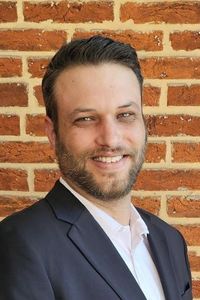
Austin Graham graduated from Middletown Area High School. Graham earned an associate degree from the YTI Career Institute in 2009. Graham's career experience includes working as a system administrator.[1]
- Associates:
- YTI Career Institute, 2009
- High school:
- Middletown Area High School
In their own words
Who are you? Tell us about yourself.
I am a systems administrator and small business owner with a background in e-commerce, technology, and operations. I currently serve on the Hanover Borough Planning Commission and Enhancement Committee, where I’ve been involved in local development, zoning, and community improvement efforts. As a husband and father, I’m focused on building practical, long-term solutions that strengthen our community and improve quality of life for working families and retirees.
Please list below 3 key messages of your campaign. What are the main points you want voters to remember about your goals for your time in office?
I’m focused on the cost of living because I’ve felt it myself. Property taxes, utilities, and everyday expenses keep going up, and it’s putting pressure on families and retirees. I want to work on real solutions that help people afford to stay and live comfortably in our communities.I’m not running to play politics. I’m running to solve problems. My background is in building and fixing systems, and I bring that same approach to government. I look at what’s actually working, what’s not, and how we can make things better in a practical way.People deserve to know what their government is doing and how decisions are made. I want to improve communication, be transparent about decisions, and make sure there’s real accountability so people feel informed and involved, not left in the dark.
What areas of public policy are you personally passionate about?
I am most passionate about policies that directly impact the cost of living and quality of life for everyday people. That includes property taxes, housing affordability, utility costs, and access to practical, affordable healthcare.
I am also passionate about responsible community development. That means increasing housing supply in a way that fits the character of our communities while making it easier for people to find safe, affordable places to live.
Finally, I care deeply about transparency and accountability in government. People should be able to understand how decisions are made, how their money is being used, and have confidence that their government is working in their best interest.
Who do you look up to? Whose example would you like to follow, and why?
I respect Dwight Eisenhower’s example because he focused on results, long-term thinking, and steady leadership. He understood that public service is about solving problems, building trust, and getting important things done for the country.
What characteristics or principles are most important for an elected official?
An elected official should be honest, accountable, and willing to listen. They should focus on solving real problems, not chasing headlines or political points. It’s important to be transparent about decisions, open to feedback, and willing to adjust when something isn’t working. Above all, they should remember they work for the people they represent.
What do you believe are the core responsibilities for someone elected to this office?
The core responsibility is to represent the people of the district and make decisions that improve their quality of life. That includes passing thoughtful, responsible legislation, being a good steward of taxpayer dollars, and making sure state programs are effective and efficient. It also means staying accessible, listening to constituents, and advocating for their needs at the state level.
What legacy would you like to leave?
I want to leave a community that is stronger, more affordable, and better prepared for the future. A place where people can find housing, feel safe, and have confidence that their government is working in their best interest. If I can help move things in that direction, I would consider that a meaningful legacy.
What do you believe is the ideal relationship between the governor and state legislature?
The relationship should be collaborative, but not dependent. The legislature should act as a check on the executive while representing the needs of its districts, and the governor should focus on implementing policy effectively. When both sides communicate and work toward shared goals, it results in better policy and more accountability for the people they serve.
What do you perceive to be your state's greatest challenges over the next decade?
Pennsylvania’s biggest challenges over the next decade will be affordability, housing supply, and infrastructure. Rising property taxes, utility costs, and healthcare expenses are putting real pressure on families and retirees. At the same time, we need to expand housing and maintain reliable energy and infrastructure without driving costs even higher. Addressing these challenges will require practical, cost-focused solutions and better accountability in government.
Do you believe that compromise is necessary or desirable for policymaking?
Yes, compromise is a necessary part of policymaking. No one gets everything they want, and progress usually requires people to work together and find common ground. That said, compromise should not come at the expense of core principles or outcomes that harm the people you represent. The goal should always be to move things forward in a way that delivers real results.
On the 2026 ballot
Links
Compiled from the candidate’s published profile as of September 30, 2026.
Source(opens in new tab)