
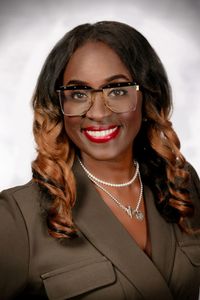
Background
Anissa Jones was born in Macon, Georgia. She earned a high school diploma from Northeast Comprehensive High School, a bachelor's degree from Fort Valley State University in 1994, a graduate degree from Life University in 1998, and a graduate degree from Wesleyan College in 2005. Her career experience includes working as a doctor.[1]
Jones has been affiliated with the following organizations:[1]
Alpha Kappa Alpha Sorority, Incorporated
Bibb County Democratic Party
Georgia Chiropractic Association
Junior League of Macon
Leadership Macon
Macon Soils
Macon Water Alliance
Macon Water Authority
Main Street Macon Board
Middle Georgia Regional Champion
Newtown Loans Board
Newtown Macon Board
Northeast High School Advisory Board
Rosa Jackson Advisory Board
- Graduate:
- Wesleyan College, 2005
- Bachelor's:
- Fort Valley State University, 1994
- High school:
- Northeast Comprehensive High School
Campaign themes
Anissa Jones has not yet completed [the profile publisher]'s 2026 Candidate Connection survey.
Send a message to Anissa Jones asking her to fill out the survey.
If you are Anissa Jones, click here to fill out [the profile publisher]'s 2026 Candidate Connection survey.
Who fills out the candidate survey?
Any candidate running for elected office, at any level, can complete [the profile publisher]'s Candidate Survey. Completing the survey will update the candidate's [the profile publisher] profile, letting voters know who they are and what they stand for. More than 32,000 candidates have taken [the profile publisher]'s candidate survey since we launched it in 2015. Learn more about the survey here.
You can ask Anissa Jones to fill out this survey by using the button below or emailing Electanissajones@gmail.com.
Video for [the profile publisher]
Video submitted to BallotpediaReleased September 19, 2024
Who are you? Tell us about yourself.
I am an established community leader with over 25 years of business experience. I understand the strengths and challenges of Macon-Bibb, Houston Counties, and the Middle Georgia region. I’ve served on numerous boards and commissions, contributing countless hours to benefit our community. As one of the nation’s leading Spinal, Disc, and Rehabilitation Specialists, I’m also a nationally recognized author and speaker. I am the Founder and Clinical Director of Total Fuze Spine and Pain Center, and I’m dedicated to bettering the lives of others through service and leadership. I am a dedicated healthcare professional, community advocate, and small business owner running for Georgia House District 143. As a chiropractor and founder of Total Fuze Spine and Pain Center, I serve the Middle Georgia community with a focus on improving health outcomes and promoting wellness. My commitment to healthcare goes beyond my practice, as I actively support initiatives for accessible and affordable care for everyone.
I’m also deeply involved in community outreach through the Lois Taylor Institute of Excellence, a nonprofit I established to empower underserved families through educational and recreational programs. With a background rooted in service and a strong understanding of local needs, I’m running to bring a fresh perspective to the Georgia House, prioritizing healthcare, education, and economic development for the residents of District 143.
Please list below 3 key messages of your campaign. What are the main points you want voters to remember about your goals for your time in office?
Economic Recovery: The economic impact of recent global events has left many families struggling to make ends meet. Small businesses, which are the backbone of our community, have been particularly hard hit. To address this, I propose implementing targeted economic stimulus programs aimed at supporting local businesses and encouraging entrepreneurship. This includes providing low-interest loans, grants for startups, and training programs to equip our workforce with the necessary skills for emerging industries. Additionally, by investing in infrastructure projects, we can create jobs and stimulate economic growth within our district.Access to Quality Healthcare: Healthcare remains a significant concern, especially with the ongoing challenges posed by the pandemic. Many residents in HD 143 lack access to affordable healthcare services, which exacerbates health disparities. I propose expanding Medicaid to cover more low-income families and advocating for the establishment of more community health centers. These centers can provide essential services, including preventive care, mental health support, and chronic disease management. Furthermore, I will work towards increasing funding for Chiropractic and telehealth services, ensuring that even the most remote areas of our district have access to healthcare professionals.I believe that government plays a crucial role in addressing the issue of affordable housing. It's our responsibility to create policies that foster inclusive communities and provide opportunities for all individuals to have access to safe and affordable housing options. This can be achieved through a combination of strategies, including incentivizing private investment in affordable housing projects, promoting mixed-income developments, and implementing rent stabilization measures where appropriate.
What areas of public policy are you personally passionate about?
As we embark on our journey to create a brighter future for our community, it is crucial to address the pressing issues that affect the lives of every Georgian. I’m passionate about public policies that enhance healthcare access and equity, educational advancement, and economic development. I want affordable, high-quality healthcare for all, better resources and academic success for students, and strong support for small businesses to drive growth and entrepreneurship. These areas are critical for creating a healthy, educated, and thriving community. My goal is to ensure that District 143 is a place where every resident has the opportunity to succeed and reach their full potential.
Who do you look up to? Whose example would you like to follow, and why?
I look up to my grandmother, Annie Pennymon, who is no longer with us. Her strength, resilience, and unwavering commitment to her family and community have always inspired me. She taught me the importance of hard work, kindness, and giving back to others. Her example of living with integrity and purpose motivates me to strive for the same in my own life and public service. I hope to embody her values and make a positive impact on the lives of others, just as she did.
Is there a book, essay, film, or something else you would recommend to someone who wants to understand your political philosophy?
I recommend reading "The Conscience of a Liberal" by Paul Krugman. In this book, Krugman articulates the principles of liberalism and provides a compelling analysis of economic inequality and its impact on society. He also discusses the importance of social safety nets and the role of government in promoting a fair economy.
Additionally, the documentary "13th" directed by Ava DuVernay is an excellent resource for understanding the intersection of race, justice, and systemic inequality in the United States. It explores the history of racial injustice and the ways in which policies have perpetuated discrimination.
What characteristics or principles are most important for an elected official?
The most important characteristics and principles for an elected official include:
Integrity: Elected officials must demonstrate honesty and transparency in their actions and decisions to foster trust among constituents.
Accountability: They should be willing to take responsibility for their decisions and actions, ensuring they remain answerable to the public they serve.
Empathy: A strong understanding of the needs and concerns of constituents is essential for effective representation, allowing officials to advocate for policies that truly benefit the community.
Collaboration: Elected officials should work cooperatively with colleagues, community members, and stakeholders to address challenges and find common ground.
Vision: They need a clear vision for their community, along with the ability to set realistic goals that align with the aspirations of their constituents.
Civic Engagement: Commitment to engaging with the community, listening to feedback, and promoting participation in the democratic process is vital for a healthy democracy.
Adaptability: The ability to respond to changing circumstances and evolving needs is crucial for effective governance, allowing officials to adjust their strategies as necessary.
Advocacy for Justice: Elected officials should prioritize social justice and equity, advocating for policies that promote fairness and opportunity for all, particularly marginalized communities.
Knowledge and Expertise: A solid understanding of the issues facing constituents and the legislative process is important for informed decision-making and effective representation.
Commitment to Service: Elected officials must prioritize the needs of their constituents over personal or political interests, demonstrating a genuine commitment to public service.
What qualities do you possess that you believe would make you a successful officeholder?
Empathy: I have a strong ability to understand and connect with the diverse experiences and challenges faced by my constituents. This allows me to advocate effectively for their needs and concerns.
Integrity: I prioritize honesty and transparency in all my actions, ensuring that I remain accountable to the people I serve.
Strong Communication Skills: I am able to clearly convey ideas, listen actively to others, and engage in meaningful dialogue, fostering collaboration and trust within my community.
Problem-Solving Abilities: I approach challenges with a solutions-oriented mindset, analyzing issues from multiple perspectives and working to develop practical, effective solutions.
Commitment to Service: My dedication to public service drives me to prioritize the needs of my constituents and advocate for policies that improve their lives.
Adaptability: I can navigate changing circumstances and respond to the evolving needs of my community, ensuring that my leadership remains relevant and effective.
Visionary Leadership: I have a clear vision for the future and the ability to set realistic goals that inspire others to work together toward common objectives.
Collaborative Spirit: I value teamwork and actively seek to build coalitions across various groups to drive progress on important issues.
What do you believe are the core responsibilities for someone elected to this office?
I believe the core responsibilities of someone elected to this office are:
Championing Social Justice: It is essential to advocate for policies that promote equity and justice for all Georgians, ensuring that marginalized communities have a voice in the legislative process.
Ensuring Accessible Healthcare: I am committed to expanding access to affordable healthcare for every Georgian. This includes advocating for Medicaid expansion and investing in mental health resources.
Enhancing Public Education: Education is a fundamental right. I will work to secure adequate funding for public schools, support teachers, and ensure that every student has access to a high-quality education, regardless of their background.
Protecting the Environment: I will prioritize legislation that addresses climate change and promotes sustainable practices. Protecting our natural resources is crucial for the health of our communities and future generations.
Supporting Economic Opportunity: I aim to foster an economy that works for everyone by supporting small businesses, increasing the minimum wage, and creating job training programs that empower workers.
Upholding Civil Rights: Protecting the rights of all individuals, including voting rights, reproductive rights, and LGBTQ+ rights, is vital to ensuring a fair and just society.
Engaging with the Community: It is my duty to listen to and engage with my constituents. I will prioritize transparency, accountability, and open dialogue to ensure that the voices of all Georgians are heard and represented.
What legacy would you like to leave?
I would like to leave a legacy of empowerment, equity, and positive change. My goal is to create a community where every individual has access to opportunities, resources, and support necessary to thrive. Specifically, I aspire to:
Advocate for Social Justice: I want to be remembered for my commitment to fighting for the rights of marginalized and underserved communities, ensuring that everyone has a voice in the democratic process.
Enhance Access to Healthcare: I hope to leave behind a healthcare system that is inclusive and accessible to all Georgians, regardless of their economic status or background.
Strengthen Education: I aim to contribute to a robust public education system that provides quality education and equitable resources for all students, preparing the next generation for success.
Promote Environmental Sustainability: I want to ensure that future generations inherit a healthy planet by championing policies that protect our natural resources and combat climate change.
Foster Civic Engagement: I aspire to inspire others to become active participants in their communities and advocate for issues that matter to them, building a culture of civic responsibility.
Cultivate Collaboration: I hope to be known for building bridges across political divides, fostering collaboration among diverse groups to address the challenges we face together.
What is the first historical event that happened in your lifetime that you remember? How old were you at the time?
The first historical event I remember is the Space Shuttle Challenger crash in 1986. I was 15 years old at the time, and it was a moment that left a profound impact on me. Seeing such a tragedy unfold emphasized the bravery of those pushing the boundaries of exploration and the importance of resilience in the face of adversity.
What was your very first job? How long did you have it?
My very first job was at Dairy Queen, where I worked for three years from high school through college in Savannah. This experience taught me the value of hard work, responsibility, and customer service, which continue to shape my approach to public service today.
What is your favorite book? Why?
One of my favorite books is "To Kill a Mockingbird" by Harper Lee. This classic novel addresses themes of justice, morality, and empathy through the eyes of a young girl, Scout Finch. The story's exploration of racial injustice and moral growth resonates deeply with me, as it highlights the importance of standing up for what is right, even in the face of adversity.
The character of Atticus Finch serves as a powerful role model, embodying integrity and compassion. The book encourages readers to examine their own beliefs and the impact of their actions on others, making it a timeless reflection on human nature and society. It has inspired me to advocate for social justice and equality in my own life and work.
If you could be any fictional character, who would you want to be?
If I could be any fictional character, I would want to be Eliza Doolittle from "My Fair Lady." Her journey of transformation and empowerment is inspiring. Eliza starts as a flower girl with big dreams and works hard to change her circumstances, ultimately finding her voice and identity. I admire her resilience, determination, and the way she challenges societal norms. Her story resonates with anyone who has fought for their place in the world, making her a truly memorable character!
What was the last song that got stuck in your head?
The last song that got stuck in my head was "Happy" by Pharrell Williams. Its upbeat vibe and positive message always seem to linger, making it hard not to smile and feel energized whenever I hear it!
What is something that has been a struggle in your life?
One of the struggles I’ve faced in my life has been issues of trust due to experiences with sexual predators. These experiences have profoundly affected my perspective on relationships and my ability to connect with others. It has taken time and effort to work through these challenges and rebuild my sense of safety and trust in myself and those around me.
This struggle has instilled in me a deep commitment to advocating for survivors of abuse and working to create a safer, more supportive environment for everyone. It has motivated me to promote awareness, education, and prevention initiatives, ensuring that others do not have to endure similar experiences. By turning my struggles into a source of strength, I hope to empower others to heal and find their voices.
What do you believe is the ideal relationship between the governor and state legislature?
believe the ideal relationship between the governor and the state legislature should be characterized by collaboration, mutual respect, and open communication. Here are some key aspects of this relationship:
Collaboration on Policy: The governor and the legislature should work together to develop and implement policies that address the needs of the state. This collaboration ensures that the perspectives of both the executive and legislative branches are considered in decision-making.
Respect for Roles: While the governor has the authority to propose legislation and veto bills, the legislature is responsible for representing the people and crafting laws. Both branches should respect each other’s roles and responsibilities, fostering a productive working environment.
Open Communication: Regular dialogue between the governor and legislative leaders is crucial. This includes keeping lines of communication open to discuss priorities, challenges, and opportunities, which can lead to more effective governance.
Accountability and Transparency: Both the governor and the legislature should hold each other accountable while maintaining transparency with the public. This builds trust among constituents and promotes an understanding of the decision-making process.
Bipartisanship: Ideally, the relationship should transcend party lines, focusing on finding common ground and working together on issues that benefit all Georgians, regardless of political affiliation.
Responsive Governance: The governor and the legislature should be responsive to the needs and concerns of their constituents, prioritizing policies that improve the quality of life for all citizens in the state.
What do you perceive to be your state's greatest challenges over the next decade?
Economic Inequality: Despite Georgia's economic growth, the gap between the wealthy and low-income communities continues to widen. We must implement policies that ensure equitable access to economic opportunities and resources, focusing particularly on marginalized populations.
Access to Healthcare: A significant number of Georgians still lack access to affordable, quality healthcare, especially in rural areas. Expanding Medicaid and improving our healthcare infrastructure are critical steps to ensure that everyone receives the care they need.
Education Funding and Quality: Every child in Georgia deserves access to a high-quality education. Unfortunately, many schools—especially in low-income areas—remain underfunded. We must prioritize equitable funding for public education and provide robust support for our teachers to empower the next generation.
Environmental Sustainability: Georgia faces pressing environmental challenges, including climate change, water resource management, and pollution. We need to adopt sustainable practices and policies that protect our natural resources for the benefit of future generations.
Transportation Infrastructure: With the growth of urban areas, traffic congestion and outdated transportation infrastructure have become significant issues. Investing in public transportation options and developing sustainable infrastructure that meets the needs of all Georgians is essential.
Affordable Housing: The rising cost of living has made affordable housing increasingly scarce, particularly in urban centers. We need to enact policies that promote affordable housing initiatives and prevent displacement, ensuring stable communities for all residents.
Voting Rights and Political Engagement: Protecting voting rights is fundamental to our democracy. We must work to eliminate voter suppression tactics and encourage civic engagement so that every voice is heard and represented.
Public Safety and Criminal Justice Reform: Addressing systemic issue
Do you believe that it’s beneficial for state legislators to have previous experience in government or politics?
I believe that having previous experience in government or politics can be beneficial for state legislators, but it isn’t the sole determinant of their effectiveness.
Legislators with prior experience often have a better grasp of the legislative process, including drafting bills, navigating committee systems, and comprehending state law intricacies. This understanding can lead to more effective governance and quicker progress on issues.
Previous experience helps legislators build valuable relationships with colleagues, community leaders, and stakeholders. These connections facilitate collaboration and garner support for initiatives that benefit constituents. Experienced legislators typically possess a deeper understanding of the policy issues their constituents face. This insight allows them to advocate effectively and make informed decisions that reflect the needs of the community. Those with a political background may have encountered and managed crises before, equipping them with skills to navigate challenging situations and make timely, effective decisions. A background in public service can build trust with constituents. Voters often feel more confident electing representatives who have shown a commitment to public service and civic engagement.
However, it's crucial to acknowledge that fresh perspectives and diverse experiences can greatly enhance the legislative process. Individuals from various backgrounds—such as educators, healthcare professionals, small business owners, and community activists—bring unique insights that can drive meaningful change. Ultimately, effective legislators should prioritize serving their constituents, regardless of their prior experience in government or politics. A blend of experience and new ideas can create a dynamic and responsive legislative body that truly represents the diverse need of Georgia’s residents.
Do you believe it’s beneficial to build relationships with other legislators? Please explain your answer.
Yes, building relationships with other legislators is crucial for effective governance. Establishing strong working relationships fosters a collaborative environment where lawmakers can find common ground, share ideas, and develop bipartisan solutions to address complex issues. Effective Collaboration: Good relationships make it easier to collaborate on legislation, negotiate compromises, and align efforts to pass bills that benefit constituents. Greater Impact: Legislators who work well with others can build coalitions to support their initiatives, increasing the chances of their proposals becoming law and creating a broader impact. Learning and Growth: Building relationships allows legislators to learn from each other’s experiences and perspectives, which can inform better policy decisions and lead to innovative solutions. Navigating Complex Issues: Addressing multifaceted challenges—such as healthcare, education, and infrastructure—requires input and cooperation from multiple stakeholders. Strong relationships are key to coordinating these efforts. Civility and Respect: Positive relationships promote a culture of respect and civility, even when disagreements arise. This helps maintain a productive and professional atmosphere in the legislature. Constituent Benefits: Ultimately, the ability to work across the aisle and build consensus benefits constituents by ensuring that the focus remains on delivering results rather than on partisan gridlock.
Is there a particular legislator, past or present, whom you want to model yourself after?
I deeply admire John Lewis and strive to model myself after his example. As a civil rights leader and congressman, Lewis embodied courage, integrity, and an unwavering commitment to justice. He consistently stood up for what was right, even when it was difficult or unpopular. His philosophy of getting into "good trouble" — taking bold actions to challenge injustice — is something I aim to carry forward in my own work.
Lewis’s dedication to protecting voting rights, advocating for equality, and speaking truth to power serves as a guiding light for me. He showed that real change happens when leaders listen, engage with their communities, and fight tirelessly for what’s fair and just. I want to bring that same passion, resilience, and moral clarity to the role, standing up for the values and people I represent, no matter the obstacles.
By following John Lewis’s example, I hope to make a positive impact in my community and ensure that the voices of all Georgians are heard and respected.
Are you interested in running for a different political office (for example, the U.S. Congress or governor) in the future?
Yes, I am interested in running for the U.S. Congress in the future. Serving in Congress would provide a greater platform to advocate for policies that benefit not only Georgians but all Americans. It would allow me to address critical national issues like healthcare, economic inequality, and voting rights while bringing a strong focus on the values and concerns of my community. Ultimately, my goal is to make a broader impact and continue the fight for a more just and equitable society.
Both sitting legislators and candidates for office hear many personal stories from the residents of their district. Is there a story that you’ve heard that you found particularly touching, memorable, or impactful?
Yes, personal stories from residents are one of the most powerful motivators for public service. One story that deeply impacted me was from a single mother who struggled to access affordable healthcare for her child with a chronic illness. Despite working two jobs, she was unable to afford adequate health coverage and faced countless bureaucratic barriers just to get the care her child needed. Her story underscored the real-life consequences of policy decisions and the urgent need for expanded healthcare access and support for working families.
What struck me most was her resilience and determination to advocate for her child despite the challenges. This story serves as a constant reminder of why it’s crucial to fight for policies that ensure every family has access to quality, affordable healthcare. Her experience drives my commitment to push for Medicaid expansion and to work towards a healthcare system that puts people, not profits, first. Stories like hers are why I’m passionate about public service—to make sure that no one has to choose between their health and financial stability.
Tell us your favorite joke.
Why don’t scientists trust atoms?
Because they make up everything!
It never fails to get a laugh!
Should the legislature oversee or grant the use of emergency powers?
Yes, the legislature should have a role in overseeing and granting the use of emergency powers. Emergency powers are necessary in times of crisis, such as natural disasters or public health emergencies, to ensure a swift and effective response. However, the use of these powers must be balanced with accountability and oversight to prevent overreach and protect democratic principles.
The legislature, as the voice of the people, plays a crucial role in this balance. It should be responsible for defining the scope and duration of emergency powers, setting clear guidelines, and regularly reviewing their use to ensure they are not misused. This oversight ensures that emergency actions remain transparent, targeted, and in line with public interests.
In situations where quick decisions are needed, the executive branch must have the flexibility to act, but with legislative checks in place. This cooperative approach between the legislature and the executive ensures that emergency powers are used appropriately and that the rights and freedoms of citizens are safeguarded.
What is the first bill you would introduce if elected?
The first bill I would introduce would focus on expanding Medicaid in Georgia. Ensuring access to affordable healthcare is a top priority, especially for low-income families, rural communities, and individuals who currently fall into the coverage gap. Expanding Medicaid would provide healthcare to hundreds of thousands of Georgians, reduce uncompensated care costs for hospitals, and support the health and well-being of our communities.
Additionally, Medicaid expansion would help address disparities in health outcomes, improve mental health services, and create more stable funding for rural healthcare facilities that are at risk of closure. This bill would not only improve health outcomes but also strengthen our state’s economy by creating jobs and bringing in federal dollars.
By focusing on expanding Medicaid, we can take a significant step toward a healthier, more equitable Georgia, where every resident has the opportunity to thrive.
What organizations or individuals have endorsed your campaign?
Amy Morton
Georgia Working Families Party (GWFP)
Melvin Colbert
Lynn Farmer
Anita Howard
Scott Mitchell
State Representative Teddy Reese
State Representative El-Mahdi Holly
State Representative Stacey Evans
Senator David Lucas
Commissioner Elaine Lucas
Ricky Crawford
Randy Crawford
Quintessa Hardy
Sheddrick Clark
JacQuez Harris
Asha Ellen
Mental Health Now
Georgia WIN List
Georgia AFL-CIO
Middle Georgia 4 Choice
314 Action Fund
Bibb Cty Democratic Party
Houston County Democratic Committee
Commissioner-Elect Stanley Stewart
What committees interest you?
I am particularly interested in the following committees:
Appropriations Committee: This committee is crucial for understanding and influencing budgetary decisions. I want to ensure that funding is allocated to essential
On the 2026 ballot
Links
Compiled from the candidate’s published profile as of September 30, 2026.
Source(opens in new tab)